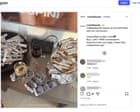
Putting loose cigarettes on tiered silver platters next to lip glosses at a "clean" beauty party in Sydney sounds like a fever dream. Yet that's exactly what happened in Bondi in November 2026.
Copini Beauty, an Australian cosmetics label that pitches itself on formulas free from skin irritants, hosted a beachside launch event for its new soft gloss product. Photos posted directly to the brand's own Instagram account showed loose cigarettes arranged on silver trays right beside bowls of lip gloss and custom Copini-branded matchboxes. Within days, the images sparked an official referral to New South Wales health regulators and triggered a sharp warning from the federal government.
It's a bizarre collision of influencer marketing, health regulation, and internet aesthetics. Most coverage treats this like a funny PR slip-up. It isn't. Under Australian law, displaying loose, unbranded, or illicit cigarettes at a commercial promotional event carries staggering financial and legal risks.
What Actually Happened at the Copini Beauty Bondi Event
Let's look at the visual evidence that landed the brand in hot water. Earlier in November 2026, Copini Beauty threw a launch party in Bondi to celebrate a new lip gloss line. Event photography shared on the company's social media feed captured a table setup designed for maximum Instagram appeal.
Tiered silver platters held piles of loose cigarettes. Sitting right next to them were bowls filled with the brand's lip glosses and custom matchboxes stamped with the Copini name.
Public health advocates and sharp-eyed observers immediately noticed two massive red flags in those photos:
- Missing health warnings: Legally sold cigarettes in Australia must feature mandatory health warnings printed directly on the cigarette paper or filter. The cigarettes on the platters lacked those required warnings.
- Suspected illicit branding: Close inspection of the sticks revealed what appeared to be Manchester "sapphire blue" branding. In Australia, Manchester cigarettes are widely recognized by enforcement agencies as one of the most common illicit tobacco products circulating on the black market.
By November 21 and 22, 2026, the matter had been formally referred to New South Wales health authorities for investigation. A spokesperson for the federal government stated officials were "deeply concerned" about the display. Public health experts, including Dr. Tahir Turk, publicly condemned the pairing of cigarettes with youth-oriented cosmetics. Copini Beauty did not immediately respond to media requests for comment, and regulators have not yet announced a final determination.
Why Australian Tobacco Laws Make This a Legal Nightmare
If this launch party had happened in Los Angeles, Paris, or New York, a platter of cigarettes might have triggered some online eye-rolls and a few angry comments about hypocrisy. In Australia, it crosses straight into strict statutory territory.
Australia enforces some of the toughest tobacco control rules on the planet. Over the past decade—and through updated federal legislation strengthening visibility restrictions—lawmakers have systematically stripped away every avenue that makes smoking look glamorous, casual, or socially normal.
Federal Advertising and Sponsorship Bans
Under federal tobacco control laws, criminal advertising or sponsorship of tobacco products carries massive maximum penalties. A federal government spokesperson pointed out that maximum fines reach $728,000 for an individual and $7.2 million for a company found guilty of criminal tobacco advertising or sponsorship.
When a commercial brand uses cigarettes as an aesthetic prop alongside its own merchandise—and broadcasts those images to thousands of followers on Instagram—regulators look closely at whether that constitutes illegal promotion. You don't need to be a tobacco company to run afoul of tobacco promotion rules.
New South Wales State Offences and Illicit Tobacco Rules
On the state level, NSW Health enforces the Public Health (Tobacco) Act 2008 and updated enforcement provisions that crack down hard on how tobacco is distributed and displayed. Several distinct legal tripwires apply to an event setup like this:
- Free promotional samples: Under Section 19 of the NSW Act, offering, giving, or distributing free tobacco products for promotional purposes or to induce interest in a commercial event is an offence. Even if guests weren't charged for the cigarettes, laying them out on a serving platter at a product launch looks remarkably like a promotional giveaway.
- Loose cigarettes outside manufacturer packaging: Section 6 prohibits selling or supplying cigarettes outside their original manufacturer packaging or as individual items. Loose sticks fanned out on silver trays violate the core principle of plain-packaging visibility controls.
- Illicit tobacco possession and supply: Because the cigarettes appeared to carry Manchester branding without Australian health warnings, investigators will examine where they came from. In New South Wales, selling or possessing commercial quantities of illicit tobacco carries maximum penalties of up to $1.54 million in fines, seven years imprisonment, or both.
Small social-media-driven beauty startups rarely keep regulatory compliance lawyers on retainer. When founders chase a trendy visual mood board without checking local public health statutes, the gap between an edgy party prop and a statutory breach disappears overnight.
The "Clean Beauty" Contradiction Nobody Missed
Beyond the legal exposure, the brand damage is self-inflicted. Copini Beauty built its identity around "clean" formulations designed to be free from skin irritants.
Consumers who buy clean beauty products usually care about what goes onto their skin and into their bodies. They read ingredient labels. They avoid parabens, synthetic fragrances, and harsh chemicals. Handing those same customers a bowl of lip gloss paired with a platter of unfiltered aesthetic cigarettes creates instant whiplash.
Online reaction across Australian beauty communities was merciless. Shoppers pointed out the absurdity of preaching skin health while serving a known carcinogen that accelerates skin aging and destroys collagen. Worse, some beauty consumers noted that branded matchboxes alone are a common, harmless party favor at fashion and cosmetics events. Had the event planners stopped at custom matches and left the loose cigarettes off the silver trays, there wouldn't be a regulatory investigation at all.
Why the "Retro Cigarette Aesthetic" Keeps Trapping Brands
To understand how a Bondi beauty founder ended up in front of NSW Health regulators, you have to look at what's been happening on Pinterest, TikTok, and Instagram.
Over the last two years, a nostalgic "indie sleaze" and retro European café aesthetic has taken over event styling. Wedding planners, fashion stylists, and boutique brands have started treating loose cigarettes, vintage ashtrays, and silver trays as retro props—a deliberate backlash against sanitized wellness culture and brightly colored disposable vapes.
In markets with looser advertising enforcement, brands routinely get away with slipping cigarettes into campaign shoots or VIP party tables to signal effortless cool. Founders scroll international mood boards, copy the visual formula frame for frame, and forget that Australia operates under a completely different legal reality.
What reads as "editorial vintage" on a mood board in Milan or New York reads as illegal tobacco normalization to Canberra health officials. The federal health spokesperson specifically noted that Australia strengthened its tobacco laws to stop the visibility and normalization of smoking, especially among young people.
What Brands and Event Planners Should Do Differently
If you run a consumer brand, host PR launches, or manage influencer events in Australia, this case is a textbook warning. Creative teams cannot treat regulated substances as harmless table decor.
- Audit event styling against state and federal health laws before the shoot. Never assume an aesthetic trend from overseas social media is legal to replicate at an Australian venue. Keep tobacco, vapes, and unapproved therapeutic goods completely off promotional tables and out of brand photography.
- Stick to non-regulated nostalgia props. If a brand wants a vintage supper-club vibe, custom matchboxes, vintage glassware, or retro stationery deliver the exact same visual cue without triggering public health referrals or multi-million-dollar penalty provisions.
- Review social media uploads for background compliance risks. Even when guests bring their own cigarettes or vapes to a venue, publishing close-up photos of those products alongside branded merchandise turns a private habit into commercial brand content. Screen every carousel post before it goes live.
- Keep brand positioning aligned with event execution. When a company sells health-conscious or "clean" products, every touchpoint at a launch party needs to reinforce that promise. Contradictory props erode customer trust faster than a negative product review ever could.