Wall Street is panicking about inflation again, and you can blame the intensifying geopolitical chaos.
When conflict flares up in West Asia, standard market theory says investors should run straight into the safety of US government bonds. That isn't happening this time. Instead, we're seeing a brutal bond selloff that is actively hammering US stock futures. For a more detailed analysis into similar topics, we recommend: this related article.
Investors are realizing that the current geopolitical escalation isn't just a temporary localized conflict. It's a massive supply-side shock. Crude oil prices are tracking higher, shipping lanes face disruptions, and the specter of structural inflation is back with a vengeance.
The Federal Reserve is trapped. If energy prices surge, inflation numbers will rebound, making any hoped-for interest rate cuts impossible. Traders are dumping global bonds because holding fixed-income assets that yield 4% or 4.5% makes zero sense when actual living costs are about to spike. For broader information on this issue, extensive coverage can be read at Forbes.
This isn't a theoretical issue for economists. This shift directly alters mortgage rates, corporate borrowing power, and the value of your 401k.
Understanding the West Asia Crisis and the Sudden Bond Liquidation
The current panic stems from a fundamental reassessment of global risk. For decades, the US Treasury market served as the ultimate mattress to hide cash during a global war. When tension rises, yields drop because bond prices move inversely to yields.
Today, that relationship is broken.
Look at the mechanics of the current rout. Yields on the benchmark 10-year US Treasury note spiked instantly as news of wider escalations hit wires. Sellers dominated the floor. Concurrently, futures tracking the S&P 500 and the Nasdaq 100 dropped significantly.
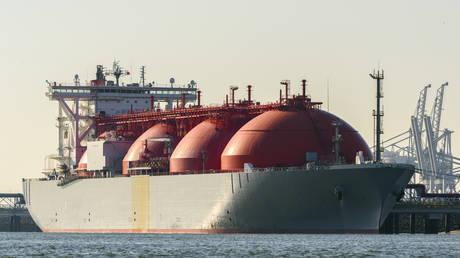
The market realizes that the specific geography of this crisis endangers vital energy chokepoints, particularly the Strait of Hormuz. Roughly one-fifth of the world’s petroleum passes through this narrow passage daily. If retaliatory strikes or political blockades halt tanker traffic, oil won't just edge higher. It will rocket toward three figures.
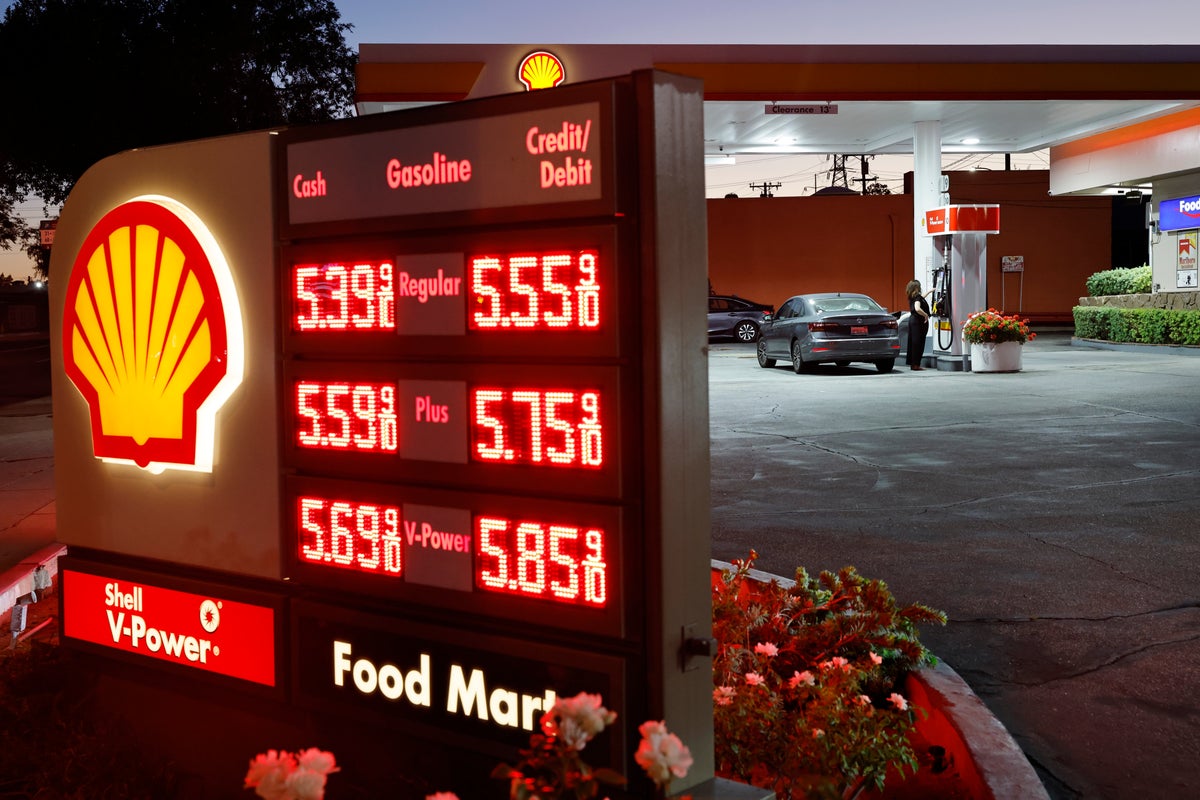
Higher oil is a tax on everything. It raises the price of manufacturing plastics, flying planes, and delivering groceries to your local supermarket. When inputs cost more, consumer prices rise. That is the definition of inflation.
Fixed-income investors hate inflation because it destroys the purchasing power of future cash flows. If you buy a bond that pays a fixed 4% annual coupon, but inflation hovers around 5%, you lose money in real terms. Institutional asset managers aren't waiting around to take that hit. They are dumping treasuries immediately, pushing yields up and crushing equities simultaneously.
The Fed Problem and the Death of Interest Rate Cuts
Central banks are facing their worst nightmare. Over the past couple of years, the Federal Reserve attempted to engineer a soft landing by raising rates to cool the post-pandemic economy. They wanted to see inflation glide down toward their 2% target before lowering borrowing costs back to normal levels.
A Middle Eastern energy crisis completely destroys that timeline.
If the consumer price index bounces back because of expensive gasoline, Chairman Jerome Powell cannot lower interest rates. Doing so would add fuel to the inflationary fire. In fact, if energy costs stay elevated for more than two quarters, the central bank might have to consider raising rates even further.
Think about the collateral damage of higher-for-longer interest rates.
- Mortgages: Contentment with 6% mortgage rates will vanish as 30-year fixed rates push back toward 8%, freezing the housing market.
- Corporate Debt: Corporations that need to refinance billions in short-term debt will face massive interest payments, eroding corporate earnings.
- National Debt: The US government will spend more on net interest payments than on national defense, worsening the federal deficit.
Equity markets are dropping because stock valuations rely on discounted cash flow models. High interest rates mean future corporate profits are worth less today. Tech stocks and high-growth companies are especially vulnerable to this math.
How Smart Investors Handle Stagflation Risks
The combination of stagnant economic growth and rising inflation is called stagflation. It's the most difficult economic environment to navigate. Traditional diversified portfolios consisting of 60% stocks and 40% bonds offer little protection during stagflation because both asset classes fall together.
Data from the 1970s shows us exactly what happens when geopolitical energy shocks dictate monetary policy. Financial assets suffer while tangible, real-world assets thrive.
Defensive investing right now requires an active pivot away from interest-rate-sensitive assets.
Treasury inflation-protected securities offer some shelter, but they still suffer from broader market liquidity drains. Cash, while unexciting, gives you optionality. When yields are high, holding short-term Treasury bills maturing in three months or less allows you to capture high yields without exposing your capital to the price drops affecting 10-year or 30-year bonds.
Commodities are the obvious beneficiary. Energy equities, gold, and agricultural producers act as natural hedges against a global supply shock. If the conflict worsens, these sectors will likely decouple from the broader index decline.
Real Steps for Surviving the Market Shift
Stop panicking and start auditing your exposure. You need to adjust your portfolio allocations before the full impact of these wholesale inflation numbers hits consumer reports next month.
First, check the duration of your fixed-income holdings. If you own long-term bond mutual funds or ETFs, you are exposed to significant capital losses as yields climb. Move that money into short-duration cash instruments or money market funds yielding over 5%.
Second, evaluate your equity holdings for debt vulnerability. Companies with weak cash flows and heavy short-term debt loads will struggle to survive in a prolonged high-rate environment. Focus on high-quality firms with pristine balance sheets, strong pricing power, and the ability to pass rising costs directly to consumers.
Third, maintain an allocation to hard assets. Gold historically performs well during periods of geopolitical instability and negative real interest rates. It serves as an alternative currency when faith in government bonds wavers.
The global economy is shifting from an era of cheap supply to an era of structural bottlenecks. The old playbook of blindly buying the stock market dip and trusting bonds to save you is dead. Position your capital where inflation cannot destroy it.