Yemen's frozen conflict just thawed in the bloodiest way possible.
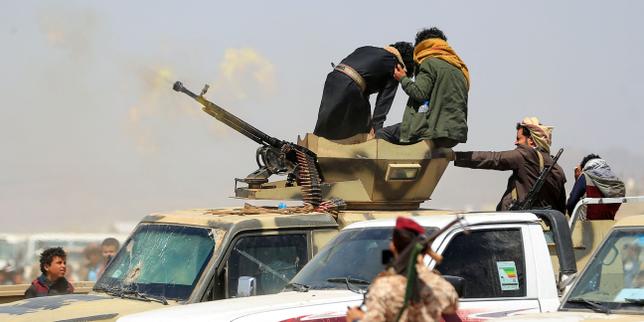
If you thought the 2022 UN-brokered truce bought permanent peace, think again. Late Friday night, Iran-backed Houthi rebels smashed through pro-government lines in the Hays district, just south of the strategic Red Sea port city of Hodeidah. By the time the dust settled on Saturday morning, 14 government soldiers lay dead. Another 23 walked away with injuries.
This isn't just another minor border skirmish. It's the deadliest Houthi ground assault in years, and it signals a dangerous shift in the region's fragile status quo.
The Brutal Reality of the Hays District Assault
The details coming out of the Jabal Dubas area show a highly coordinated, multi-phased assault. Houthi fighters didn't just charge forward blindly. They started with precision.
Military officials confirmed that Houthi snipers took out most of the government casualties early on. Once confusion set in, the rebels unleashed drone strikes and heavy mortar salvos. They briefly overran pro-government positions, forcing loyalist forces into a desperate scramble.
It took a massive, hours-long counteroffensive before dawn on Saturday for government troops to claw back their positions. While pro-government officials claim the Houthis suffered heavy losses too, the rebel group hasn't released their casualty numbers. They rarely do.
Why the Timing Isn't a Coincidence
You can't look at this battlefield escalation without looking at the bigger regional picture. Just hours before the attack on Friday, Houthi leadership openly threatened Saudi Arabia.
The rebels accused Riyadh of violating Yemeni airspace and blocking an Iranian aircraft from landing. The explicit threat? Hit Saudi airports and vital infrastructure.
Let's look at how the power dynamics shake out right now:
- The Houthis control the capital, Sanaa, and most of northern Yemen, including the critical coast of Hodeidah.
- The Internationally Recognized Government operates out of the south, backed heavily by Saudi Arabia.
- The United Nations Truce has kept major frontlines locked in place since 2022, but it never actually solved the underlying rot.
By launching their deadliest ground attack in years right after threatening Riyadh, the Houthis are sending a clear message. They aren't afraid to break the status quo if they feel cornered or if their Iranian backers want to apply pressure.
What This Means for Red Sea Security
This escalation matters far beyond the borders of Yemen. The fight happened right outside Hodeidah, the primary gateway for commercial shipping and humanitarian aid entering northern Yemen.
The Houthis have already spent months disrupting international shipping lanes in the Red Sea. A hot ground war near the ports makes an already volatile maritime situation significantly worse. If these localized pushes turn into a full-scale offensive to retake the south, the shipping crisis will intensify.
Years of quiet didn't mean the war was over. It just meant both sides were reloading. For the millions of Yemenis relying on international aid, this uptick in violence threatens to plunge the country right back into the worst humanitarian crisis on the planet.
If you are tracking geopolitical risk or maritime security in the region, monitor the Hays-Hodeidah corridor closely over the next 48 hours. Watch for retaliatory Saudi airstrikes or an increase in Houthi drone activity over the Red Sea. The truce is wearing incredibly thin, and a return to full-scale war is closer than it has been in four years.