The International Energy Agency (IEA) has officially pulled the emergency cord, authorizing the release of 400 million barrels of oil from global strategic reserves to counter the total paralysis of the Strait of Hormuz. It is the largest coordinated intervention in the organization’s fifty-year history, more than doubling the response seen during the 2022 invasion of Ukraine. Yet, beneath the headline-grabbing numbers and the desperate optimism of the G7, the math remains stubbornly terrifying. This release is not a solution; it is an expensive way to buy precisely twenty days of global breathing room while the Middle East burns.
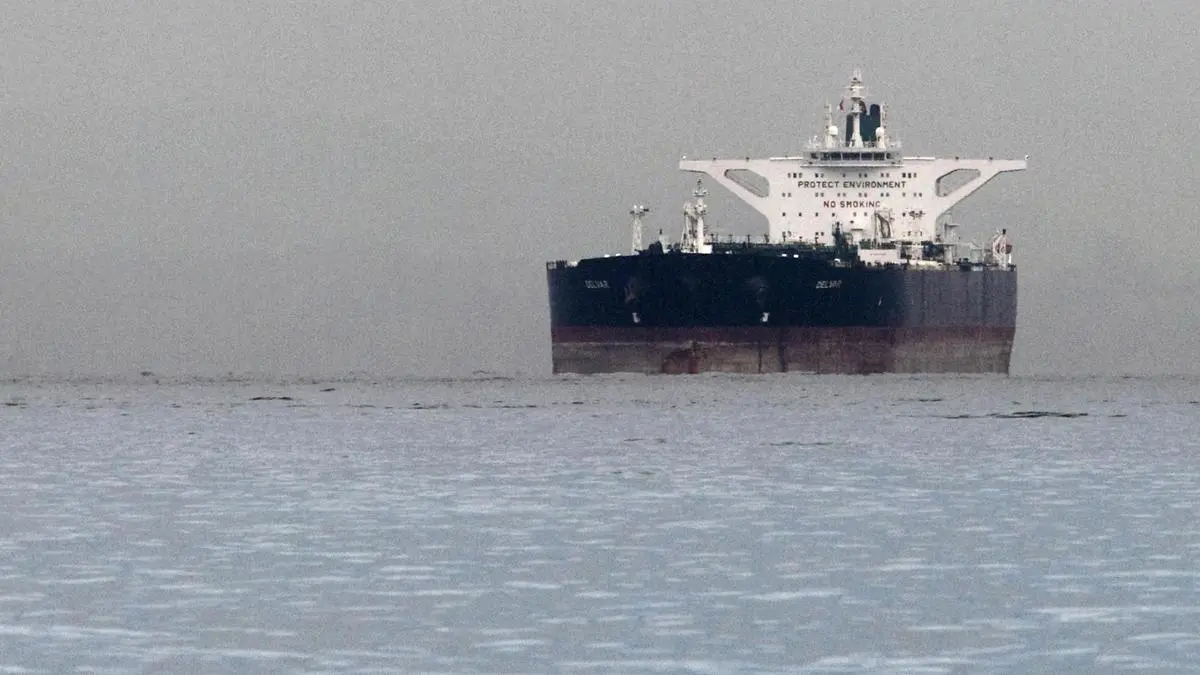
The crisis began on February 28, 2026, when joint military strikes by the United States and Israel against Iranian nuclear and command facilities triggered a regional conflagration that many analysts had spent decades warning about. Iran’s response was immediate and surgical. By mining the world’s most critical maritime chokepoint and deploying swarms of low-cost sea drones, Tehran has effectively zeroed out the 20 million barrels of crude and refined products that typically transit the Strait of Hormuz every day.
The Brutal Math of a Blockade
Global markets are currently staring down a supply hole of roughly 20% of the world’s daily oil consumption. To understand the scale of this catastrophe, one must look past the 400-million-barrel figure. While it sounds like a staggering volume, it represents a mere fraction of what has been lost. If the IEA were to attempt to fully replace the missing 20 million barrels per day, the entire emergency release would be exhausted in less than three weeks.
The strategy currently being deployed by the 32 member nations is not full replacement but "managed scarcity." The United States is leading the charge, committing 172 million barrels from its Strategic Petroleum Reserve (SPR) to be released over a 120-day period. This averages out to approximately 1.4 million barrels per day—less than 10% of the volume currently blocked by Iranian mines and IRGC patrols.
The Logistics of Desperation
Logistics, not just volume, is the silent killer in this scenario. Strategic reserves are not a "on/off" switch. They are a complex system of salt caverns and pipelines designed for gradual distribution, not for replacing a fifth of the world’s energy flow in real-time. In the United States, the physical limit of how fast oil can be pumped out of the SPR and into the refining system is already being tested.
The situation is even more precarious in Asia. Japan and South Korea, which maintain some of the strictest reserve requirements on the planet, are seeing their maritime lifelines severed. Japan has already signaled it will release 80 million barrels, the largest drawdown in its history. However, for a nation that imports nearly all its energy, this is a countdown clock. Without the ability to bring new tankers through the Strait, these nations are essentially burning through their savings while the bank is on fire.
Why the Price Isn't Dropping
Markets have greeted the IEA announcement with a shrug that should keep every central banker awake at night. After a brief dip, Brent crude surged back toward the $110 mark, with some analysts forecasting a spike to $200 if the blockade persists through the second quarter.
The reason for this resilience is simple. Traders can see the bottom of the barrel. Unlike previous disruptions—such as the Libyan civil war or even the early stages of the Ukraine conflict—there is no "spare capacity" elsewhere in the world to pick up the slack. Saudi Arabia, Kuwait, and the UAE have plenty of oil in the ground, but their only way to get it to the global market is through the very Strait that is currently a graveyard for tankers.
The Shadow of the New Supreme Leader
The geopolitical landscape has shifted underneath the feet of Western negotiators. Following the assassination of Ayatollah Ali Khamenei in the opening salvos of the war, his son, Mojtaba Khamenei, has emerged as a far more belligerent successor. His first public address on March 12 made it clear that Iran has no intention of reopening the Strait as long as "the aggressors" remain on its soil.
Tehran’s strategy is a calculated bet on Western economic fragility. They know that while they suffer under bombardment, the resulting $7-per-gallon gasoline in the United States and the shuttering of industrial plants in Germany will create domestic political pressure that no Western leader can withstand for long. This is asymmetric warfare at its most effective, using the global economy’s dependence on fossil fuels as a weapon of mass disruption.
The Emptying of the Arsenal
There is a final, darker risk to the IEA’s gambit. By draining 400 million barrels now, the world’s leading economies are effectively disarming. If the conflict escalates further—perhaps involving the destruction of refining infrastructure in the Gulf or the expansion of the naval war to the Red Sea—the "emergency" stocks will already be depleted.
We are watching a high-stakes race between military resolution and economic collapse. The 400-million-barrel release is a bridge to nowhere if the Strait of Hormuz remains a no-go zone. History suggests that once a maritime chokepoint is closed by mines and active hostility, "opening" it is a process of months, not days. The world has approximately four months of these "managed" releases before the math of the blockade becomes an inescapable reality for every driver, business, and government on earth.
Monitor the daily discharge rates from the U.S. salt caverns in Texas and Louisiana over the next fourteen days. If those rates fail to hit the 1.4 million barrel target due to aging infrastructure, the projected 120-day buffer will evaporate even faster than the IEA fears.