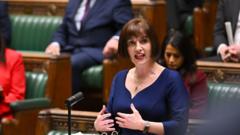
Bridget Phillipson is asking you to look at the small change while a mountain of debt grows in the background. The Education Secretary recently defended the decision to hike tuition fees and freeze repayment thresholds, insisting that the "average" graduate will only see their monthly repayments rise by about £8. It sounds like the price of two coffees. It sounds manageable. But for millions of graduates already squeezed by a cost-of-living crisis, it’s a stealth tax that lingers for decades.
The reality is that this isn't just about £8. It’s about the "graduate premium" being eroded by a system that keeps people in debt longer while they pay more every single month.
The math behind the £8 claim
The government’s headline figure of £8 a month comes from a specific set of assumptions about the "average" earner. From April 2026, the repayment threshold for Plan 2 loans (those who started university between 2012 and 2023) will be frozen at £29,385 for three years.
Usually, this threshold is supposed to rise with inflation. When you freeze it while wages go up, you’re effectively forcing people to pay a larger chunk of their salary back to the Student Loans Company.
- The Freeze: By keeping the threshold at £29,385, more of your "disposable" income is captured by the 9% repayment rule.
- The Tuition Hike: For the first time in years, tuition fees are rising by 3.1%, hitting £9,535 for the 2025/26 academic year.
- The Stealth Effect: While the monthly hit might look small now, the Institute for Fiscal Studies (IFS) points out that this freeze will cost the average graduate thousands over their lifetime.
Why the Plan 2 cohort is getting hammered
If you’re on a Plan 2 loan, you’re in a unique kind of financial purgatory. You’re likely facing interest rates of RPI plus up to 3%. Currently, that can mean a maximum interest rate of 6.2%.
When Phillipson says "it's only £8," she’s ignoring the fact that for many middle-earners, that £8 doesn't even cover the interest being added to the pile. You’re running up a down escalator. Many graduates find that despite making their monthly payments, their total balance is actually increasing every year.
It’s galling. You do everything right—get the degree, get the job, pay the "tax"—and the debt still balloons. The Centre for Economics and Business Research (CEBR) estimates that the average 2022 graduate will pay roughly £9,300 more over their lifetime because of these threshold freezes. Suddenly, that £8 a month starts to look like a much larger monster.
The Maintenance Loan silver lining
To be fair, the government isn't just taking. They’re also increasing maintenance loans by 3.1% to help with the current cost of living. For a student living away from home outside of London, that’s an extra £317 a year.
- Home students: Max loan rises to £8,877.
- Living away (London): Max loan rises to £13,762.
- Living away (Outside London): Max loan rises to £10,544.
It’s a necessary bump, but it's essentially a sticking plaster on a system that the Education Secretary herself admits is "broken." Increasing the loan amount just means students graduate with even more debt that they’ll struggle to pay off under the new, tighter repayment rules.
The political blame game
Phillipson has been quick to point the finger at the previous Conservative government. She’s not entirely wrong—the Plan 2 and Plan 5 systems were Tory creations. However, the decision to maintain the threshold freeze is a choice made by the current Treasury.
The Conservatives are now ironically calling for an interest rate cap at RPI only. It’s a bit rich coming from the architects of the current system, but it highlights how toxic the "graduate tax" has become. Meanwhile, the Liberal Democrats are pushing to scrap the freeze entirely and link the threshold back to average earnings.
The government’s defense is simple: "We can't fix everything at once." They’re prioritizing "stabilizing" the university sector—which is currently facing a massive funding black hole—over immediate graduate relief.
What this means for your wallet
If you’re earning £35,000, you’re currently paying 9% on everything above the threshold. As that threshold stays still while your pay (hopefully) increases, your "take-home" pay effectively shrinks.
For a parent of two earning near the £50,000 or £60,000 mark, the combination of student loan repayments, the High Income Child Benefit Charge, and standard income tax can create a "marginal tax rate" that feels punishing. It’s a massive barrier to social mobility.
Immediate steps to take
Don't just wait for the April 2026 changes to hit.
- Check your plan: Make sure you know if you're Plan 2, Plan 5, or Postgraduate. The rules are wildly different for each.
- Audit your pay slip: Ensure you aren't overpaying. If you earn just over the threshold in one month due to a bonus but under it for the year, you might be entitled to a refund.
- Ignore the "Total Balance": It’s mentally draining to see a £60,000 balance, but remember it’s not a standard debt. It doesn't affect your credit score like a bank loan, and it gets wiped after 30 years (or 40 for Plan 5). Focus on the monthly cash flow, not the scary big number.
The £8 increase might be the "average," but for the individual graduate trying to save for a house or start a family, it's yet another straw on the camel's back.
If you think you've overpaid your student loan in previous years, you should contact the Student Loans Company immediately to request a refund, as thousands of graduates leave unclaimed money on the table every year.


