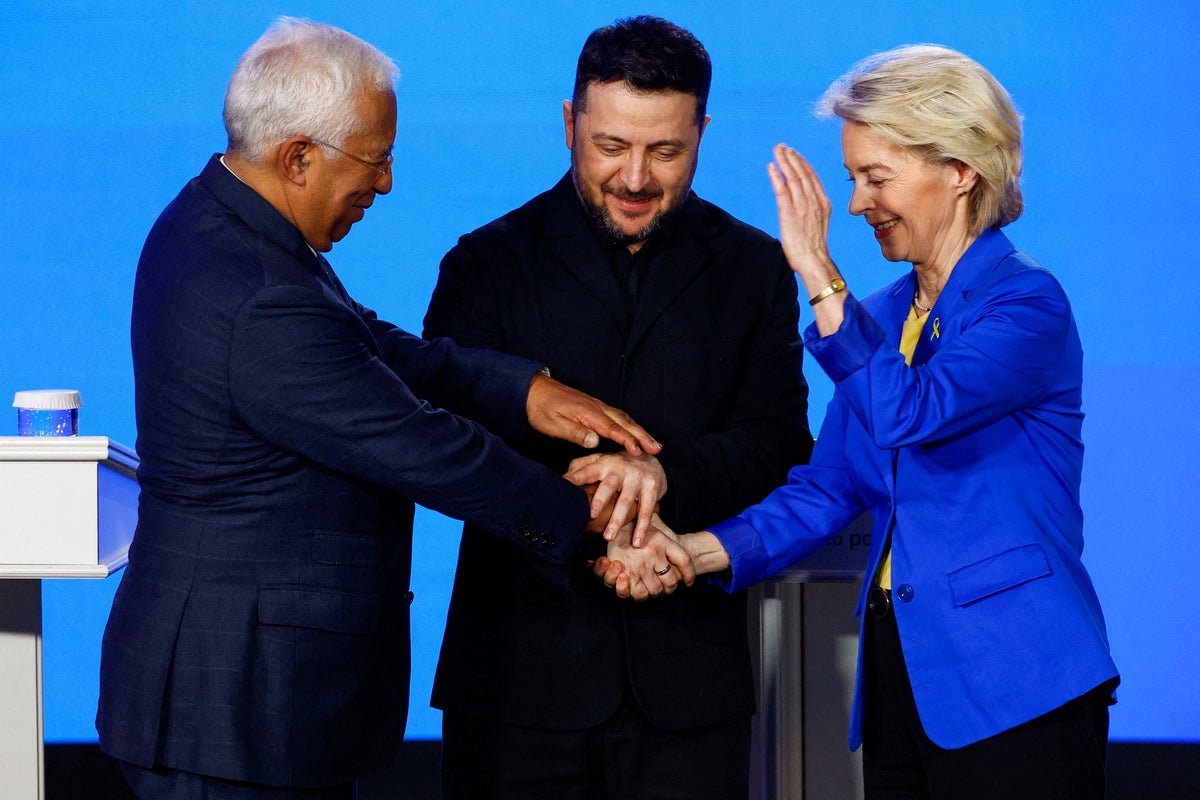
The ink is finally dry on the European Union's €90 billion loan package for Ukraine. It’s not just another line item in a budget; it's a lifeline for a nation entering its fifth year of a grinding war. This massive infusion of cash arrives as the United States pulls back, leaving Europe to shoulder the heaviest burden of keeping the front lines from collapsing. If you've been following the headlines, you know this wasn't an easy win. It took a political earthquake in Hungary and months of bureaucratic arm-twisting to get the money moving.
This isn't a gift. It’s a structured loan designed to keep the lights on in Kyiv and the ammunition flowing to the Donbas. With €45 billion set to be released in 2026 alone, the stakes couldn't be higher. The EU is essentially gambling that by funding Ukraine's defense now, they won't have to fund a much larger war on their own borders later.
Breaking down the ninety billion
Most people see a big number and assume it’s all going toward tanks. It’s more complicated than that. The EU split the €90 billion into two very specific buckets to ensure Ukraine doesn't just survive the war but continues to function as a state.
- The Defense Bucket (€60 Billion): This is the heavy hitter. Roughly two-thirds of the total loan is dedicated specifically to military assistance and strengthening Ukraine's defense industrial capacity. The goal here is strategic autonomy. Brussels wants Ukraine to buy weapons from European and Ukrainian manufacturers, creating a self-sustaining loop that benefits EU industry while arming the front.
- The Budget Bucket (€30 Billion): This is for the "boring" stuff that keeps a country from imploding. We’re talking about paying teachers, keeping hospitals running, and maintaining the power grid. Without this, the social fabric of Ukraine would tear long before the military ran out of shells.
The timing is aggressive. The first tranches are expected to hit Ukrainian accounts by May or June 2026. This isn't money for the distant future; it’s money for the summer campaign and the winter energy crisis that everyone knows is coming.
The Russian asset trap and the repayment riddle
Here is where things get interesting—and a bit legally murky. The EU is borrowing this money on the global capital markets. They aren't just printing it. The debt service, the interest, and the management fees are being covered by the EU’s annual budgets, which will cost about €3 billion a year starting in 2028.
But who pays back the principal? The official line is that Ukraine is liable for the repayment only after it receives war reparations from Russia. Essentially, the EU is betting that they can eventually seize or use the interest from frozen Russian assets to settle the tab. It’s a clever way to bypass the "reparations loan" deadlock that stalled previous talks. If Russia never pays, the EU budget is technically on the hook, but for now, it's a functional way to get the money out the door without immediate pain for European taxpayers.
Hungary's exit and the 24 state workaround
You might be wondering how this passed given that Viktor Orbán has been a thorn in the side of Ukraine aid for years. The answer is a mix of a major political shift and a clever legal maneuver.
- The Political Shift: The April 13 election in Hungary saw Orbán’s influence wane as Peter Magyar took the lead, promising a more pro-EU, pro-NATO stance. This softened the Hungarian veto just enough to let the wheels turn.
- Enhanced Cooperation: Even before the Hungarian election results were fully settled, the EU used a mechanism called "enhanced cooperation." This allowed 24 member states to move forward without the dissenters (Czechia, Hungary, and Slovakia). It’s a sign that Brussels is tired of being held hostage by single-state vetos.
What this means for the front line
Military experts like those at the Foundation for Defense of Democracies (FDD) argue that this loan is the only thing standing between Ukraine and a forced, unfavorable peace deal. The €60 billion military portion focuses on air defense, unmanned technologies, and military mobility.
The EU is also opening the door for third countries like the UK, Canada, and Japan to join this financing framework. It's an attempt to build a "Global West" coalition that doesn't rely solely on the shifting political winds in Washington D.C. Honestly, the shift in the US toward isolationism has forced Europe to finally grow up and treat its own security like a priority rather than a hobby.
Immediate Next Steps for Ukraine
If you're tracking the impact of this deal, watch these three areas over the next 60 days:
- The First Tranche: Look for the announcement of the first €10-€15 billion disbursement in late May. This will be the signal that the plumbing of the loan is actually working.
- Procurement Contracts: Watch for new contracts between the Ukrainian Ministry of Defense and European firms like Rheinmetall or BAE Systems. The loan rules prioritize EU-made gear.
- Anti-Corruption Benchmarks: The money is conditional. Ukraine has to prove it's still fighting internal graft. Keep an eye on any new high-profile arrests or institutional reforms in Kyiv—they're likely tied to keeping this money flowing.
Don't expect the war to end tomorrow because of this. But do expect the Ukrainian state to remain solvent and the army to keep firing back. This loan buys time, and in a war of attrition, time is the most expensive commodity on the market.