The annual blooming of approximately 17,000 hectares of peach trees in the Imathia region of Northern Greece is not merely a seasonal aesthetic; it is a high-density biological event with significant implications for regional GDP, logistical load, and agrotourism market capture. While general observations focus on the "pink veil" visible from the foothills of Mount Vermio, a structural analysis reveals that this phenomenon is the result of a precise intersection between Mediterranean climatic stability, specific soil pH levels, and a monoculture-heavy agricultural strategy.
To understand the scale of this event, one must evaluate the Three Pillars of the Veria Bloom:
- Phenological Synchronization: The biological mechanism that triggers a uniform bloom across thousands of hectares within a narrow five-day window.
- Agrotourism Arbitrage: The conversion of an industrial agricultural byproduct (the bloom) into a high-margin service economy.
- Logistical Strain and Geographic Saturation: The capacity limits of the local infrastructure to handle sudden, high-intensity influxes of non-resident observers.
The Bioclimatic Engine of the Imathia Plain
The uniformity of the pink blossom is a function of the chilling requirements ($C_r$) of the Prunus persica species. Unlike wild floral events, which exhibit high genetic variance in bloom timing, the Imathia orchards are composed of grafted cultivars selected for synchronized maturation. This synchronization is essential for industrial harvesting but creates a massive, singular peak in visual "supply."
The geography of the Veria plain creates a microclimate where cold air drainage from the surrounding mountains settles in the basin, ensuring the trees meet their cumulative "chill hours" (temperatures between 0°C and 7°C) simultaneously. When the spring thermal jump occurs, the metabolic activation across the region happens with less than a 3% variance in timing across the central valley. This is the "Veil Effect"—a massive biological synchronization that transforms an entire province into a single-color landscape.
The Economics of Transient Landscapes
The regional economy of Central Macedonia has historically relied on the export of canned and fresh peaches, particularly to Eastern European and Middle Eastern markets. However, the "bloom period" represents a strategic pivot from a primary sector (agriculture) to a tertiary sector (tourism) with zero incremental production cost.
The Cost Function of the Bloom
The cost of maintaining the orchards is already internalized by the agricultural production cycle (pruning, fertilization, irrigation). Therefore, the revenue generated by the "Peach Blossom Trail" and associated photography tourism represents near-100% margin for the local service economy.
- Fixed Costs: Year-round orchard maintenance, road infrastructure.
- Variable Costs: Temporary traffic management, marketing for the "Veria Green Belt" photography contests.
- Marginal Revenue: Increased occupancy in Veria and Naoussa hotels, surge pricing in local gastronomy, and high-velocity retail spending by day-trippers from Thessaloniki.
This creates a high-leverage economic window. The limitation, however, is the Duration Risk. The optimal bloom typically lasts 7 to 13 days, depending on wind velocity and precipitation. A single heavy rain event can devalue the entire "visual inventory" of the region overnight, highlighting the fragility of tourism models built on phenological cycles.
Structural Bottlenecks in Agrotourism Scaling
While the Imathia bloom attracts thousands, the transition from a local curiosity to an international destination faces structural hurdles. The primary bottleneck is Geographic Accessibility vs. Orchard Integrity.
Most of the viewing occurs from the "Veria Balcony," a natural plateau overlooking the plain. This site manages spectator density without interfering with the agricultural operations. However, as "experiential" tourism grows, the demand for "immersion" (walking through the rows of trees) creates a conflict with the private property rights of the farmers and the phytosanitary requirements of the orchards.
- Soil Compaction: High foot traffic around the base of the trees can compact the soil, hindering oxygen and water infiltration to the root systems.
- Pathogen Transfer: Unregulated entry into orchards increases the risk of spreading Monilinia or other fungal spores.
- Logistical Velocity: The road networks in Imathia are designed for tractor-trailer loads for fruit transport, not high-volume passenger vehicle flow. During peak bloom weekends, the "Time-to-Site" metric for visitors doubles, degrading the user experience.
The "Sakura" Benchmark: A Comparative Analysis
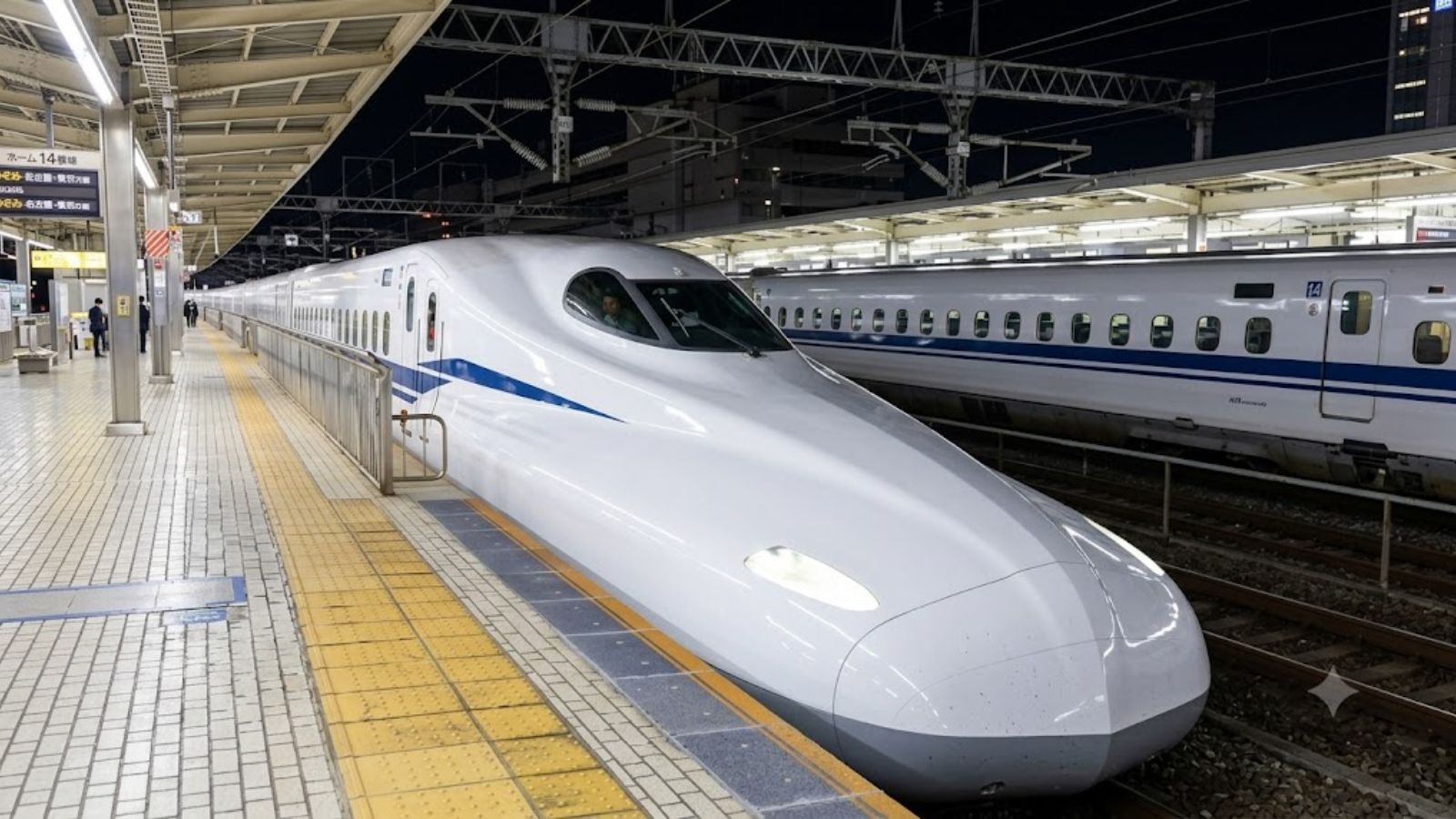
The Imathia bloom is frequently compared to Japan’s cherry blossoms, yet the two events operate on different logical frameworks. The Japanese Sakura is a decentralized, urban-integrated event focused on the Prunus serrulata, a non-fruiting ornamental tree. The Imathia bloom is a centralized, industrial event focused on a productive crop.
The strategic difference lies in the Utilization Period.
- Japan: The event is the primary purpose of the tree.
- Greece: The event is a fleeting precursor to a multi-million euro fruit harvest.
For Greece to capture the same "cultural capital" as Japan, it must institutionalize the event beyond photography. This requires the development of "Bloom Derivatives"—products and experiences that persist after the petals fall. Currently, the Veria region utilizes the bloom as a marketing lead-in for their PDO (Protected Designation of Origin) peaches, effectively using the spring aesthetic to build brand equity for the summer harvest.
Quantifying the Visual Impact
The intensity of the "pink" is not a subjective measure. It is a result of the high density of planting—typically 400 to 500 trees per hectare. With each tree producing thousands of blossoms, the "Petal-per-Square-Meter" ratio in Imathia is among the highest in the Mediterranean.
From a strategic perspective, the region should focus on Density Mapping. By identifying the specific cultivars with the highest floral density and mapping their bloom sequence, the local tourism board could extend the "peak" window. Early-blooming nectarine varieties followed by mid-season clingstone peaches allow for a staggered, 21-day tourism cycle rather than a single, volatile 7-day spike.
Strategic Realignment for the Imathia Region
To move from a passive recipient of "flower seekers" to an active manager of a premier global agrotourism event, the regional stakeholders must implement a three-tier intervention:
- Data-Driven Forecasting: Utilizing satellite imagery and soil temperature sensors to provide a "Real-Time Bloom Tracker." This reduces the "Information Asymmetry" for international travelers who currently struggle to time their visits accurately.
- Zoning for Immersion: Designating specific "Public Access Orchards" where the trees are managed for tourism (with reinforced paths) while keeping the industrial-grade orchards restricted to prevent crop damage.
- Infrastructure Decoupling: Developing bicycle and pedestrian-only arteries through the orchards to bypass the congested rural road network.
The future value of the Imathia bloom lies in its ability to serve as a sustainable, low-impact economic driver that bridges the gap between the winter ski season in Seli and the summer beach season in Pieria. The "pink veil" is a biological asset that, if managed with the rigor of an industrial process, can redefine the rural economy of Northern Greece.
The immediate tactical move is the integration of "Bloom Analytics" into the regional development plan. Investors and local authorities should prioritize the development of semi-permanent viewing structures and digital interpretive tools that explain the agricultural science behind the visual. By shifting the narrative from "pretty flowers" to "biological engineering and heritage," the region elevates the visitor profile from casual sightseer to high-value cultural tourist. This transition is necessary to ensure that the influx of people provides a net positive impact on the region’s long-term agricultural viability rather than serving as a seasonal disruption.