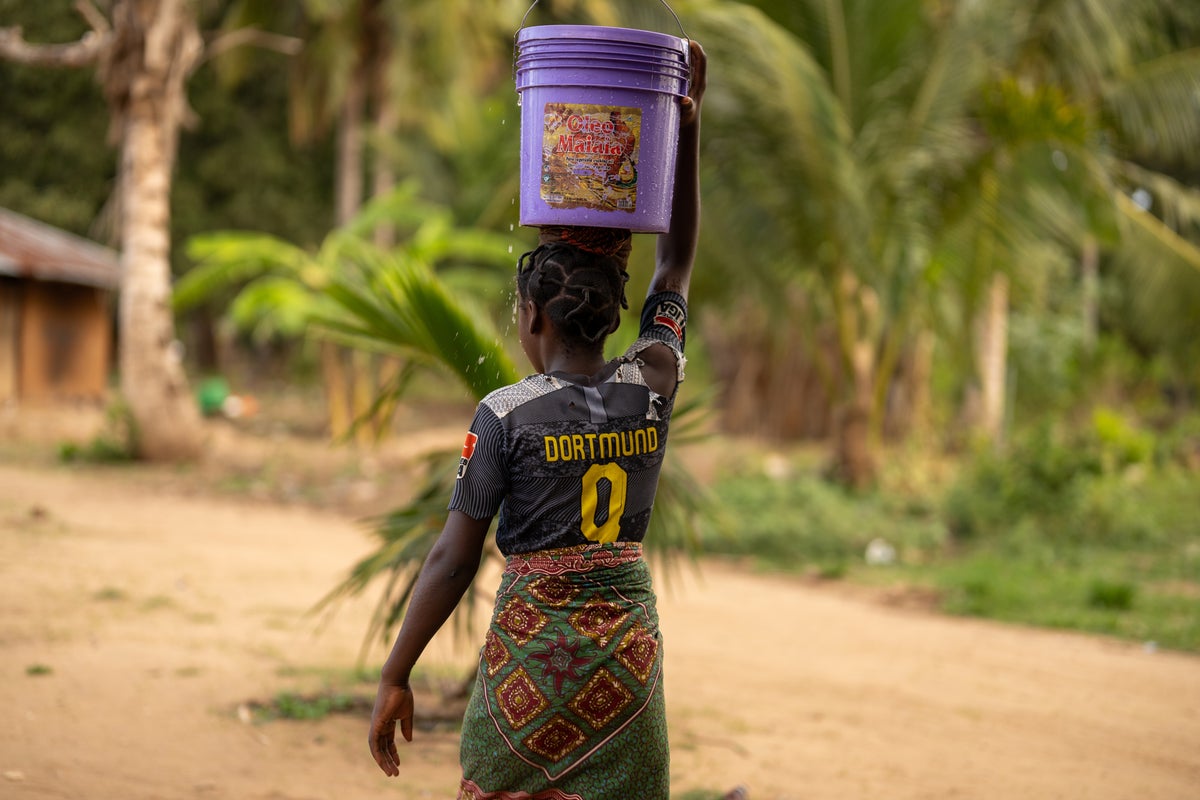
Mozambique’s rural heartland is quiet, but it’s the kind of quiet that should scare you. In villages across provinces like Gaza and Tete, the silence isn't peaceful; it's the sound of empty pots and dry wells. For years, international donors treated Mozambique as a success story in progress, a nation pulling itself up from the wreckage of civil war. But lately, the money has dried up. Foreign aid budgets from the UK, the US, and European nations are being slashed or diverted toward wars in Ukraine and the Middle East. The result? A silent catastrophe where the most vulnerable people are losing their only safety net.
When I look at the data coming out of Maputo and the rural districts, it's clear we're witnessing a systemic collapse. This isn't just about "less money." It's about the total removal of the infrastructure that keeps people alive. When a local NGO loses its funding, it doesn't just stop printing brochures. It stops fixing water pumps. It stops delivering malaria nets. It basically severs the last connection these villages have to the modern world.
The Brutal Reality of the Aid Gap
Let's talk about what happens when "budgetary adjustments" in London or Washington hit a village in Mozambique. In many of these areas, the state doesn't really exist. The school was built by a charity. The clinic is staffed by a group funded by a Scandinavian grant. The seeds the farmers plant come from a food security program.
When that funding gets pulled, the impact is immediate and physical. I've seen reports of community leaders saying they feel like their feet have been cut off. It's a hauntingly accurate metaphor. You can't move forward, you can't work, and you can't escape.
The numbers are staggering. In 2024 and 2025, several major donors reduced their "non-emergency" aid to Mozambique by double-digit percentages. The logic is that Mozambique is now a "gas-rich" nation thanks to the massive LNG (Liquefied Natural Gas) deposits in the north. But there's a massive disconnect here. The gas money isn't reaching the grandmother in a drought-stricken village 1,000 miles away. It's tied up in security contracts and debt repayments.
Why We Should Stop Relying on the Gas Myth
There's a dangerous narrative that Mozambique doesn't "need" aid anymore because of its natural resources. That's a fantasy. The insurgency in Cabo Delgado has stalled the biggest gas projects for years. TotalEnergies and ExxonMobil aren't writing checks to local health clinics in the south.
Wealth from natural resources takes decades to trickle down, especially in a country with high levels of corruption and weak institutions. By cutting aid now, donors are betting on a future that hasn't arrived yet, while sacrificing the people living in the present.
Farmers are the ones paying the highest price. Agriculture employs about 70% of the Mozambican workforce. Most of it is subsistence farming. They rely on rain, which is becoming increasingly unreliable due to climate change. When aid-funded irrigation projects or seed distribution programs disappear, these farmers have zero margin for error. One bad season doesn't just mean a lower income; it means starvation.
The Climate Change Double Whammy
Mozambique is one of the most climate-vulnerable countries on the planet. You’ve seen the headlines about Cyclone Idai and Cyclone Freddy. These aren't once-in-a-generation events anymore. They happen almost every year now.
When a cyclone hits, the immediate international response is usually okay. People send blankets and high-energy biscuits. But the "recovery aid"—the money needed to rebuild schools better or help farmers replant—is what's being cut. It's a short-sighted strategy. If you don't fund resilience, you’re just waiting for the next disaster to be more expensive and more deadly.
I've talked to experts at organizations like the World Food Programme and local groups like the Rural Association of Mutual Support (ORAM). They all say the same thing: the shift from "development" to "emergency only" aid is a mistake. It turns a manageable poverty problem into a permanent crisis.
The Human Cost of Selective Memory
We tend to forget that Mozambique was essentially the world's laboratory for post-conflict reconstruction in the 1990s. It worked for a while. Poverty rates dropped. Literacy went up. But that progress was fragile.
Today, that fragility is showing. In the absence of aid, we're seeing a resurgence of diseases that were nearly eradicated. There's a direct link between funding cuts and the rise in cholera cases in the central provinces. Without clean water initiatives—usually funded by external NGOs—people drink from contaminated rivers. It's not complicated. It's a math problem with a body count.
The Failure of the Global Community
The "aid fatigue" excuse is honestly pretty thin. The amounts of money we're talking about are rounding errors in the national budgets of G7 nations. Cutting a $50 million rural development program might help a politician look "tough on spending" at home, but in Mozambique, that money is the difference between a generation of kids going to school or working in the fields.
We also need to be honest about where the money goes. Yes, corruption is a problem in Mozambique. Everyone knows it. But punishing the poor for the sins of the elite in Maputo is a moral failure. Smart aid bypasses the central government and goes directly to local communities. That's the stuff that’s getting cut because it's "harder" to manage.
Rethinking Our Approach to Support
If we want to stop this slide, we have to change how we talk about aid. It's not "charity." It's an investment in global stability. A collapsed Mozambique doesn't just hurt Mozambicans. It creates a vacuum for extremist groups, it drives migration, and it destabilizes Southern Africa.
We need to prioritize three things right now:
- Direct Farmer Support: Funding for drought-resistant seeds and basic irrigation must be restored. This is the only way to stop the cycle of food insecurity.
- Health Infrastructure: Small, village-level clinics need consistent funding that isn't tied to the latest "trendy" disease. They need the basics: bandages, antibiotics, and clean water.
- Climate Adaptation: We can't keep treating cyclones like surprises. Funding needs to go into permanent, storm-proof infrastructure.
The current trend of cutting aid is a choice. It's not an economic necessity; it's a political preference. We're choosing to let these villages fade away. If you're looking for a way to help, look for organizations that work directly with local Mozambican leadership. Groups like the Aga Khan Foundation or smaller, specialized NGOs often have lower overhead and deeper roots in the communities that need them most.
The people in these villages aren't asking for a handout. They're asking for the tools to survive in an increasingly hostile environment. Taking those tools away while the world looks the other way is a tragedy we can actually prevent. We just have to decide that their lives are worth the investment.
Don't just read about this and move on. Look at the work being done by the Mozambique Red Cross or ActionAid. They are on the ground, struggling with these exact budget cuts every day. Support them. Pressure your local representatives to maintain international development quotas. The cost of doing nothing is far higher than the cost of the aid itself.