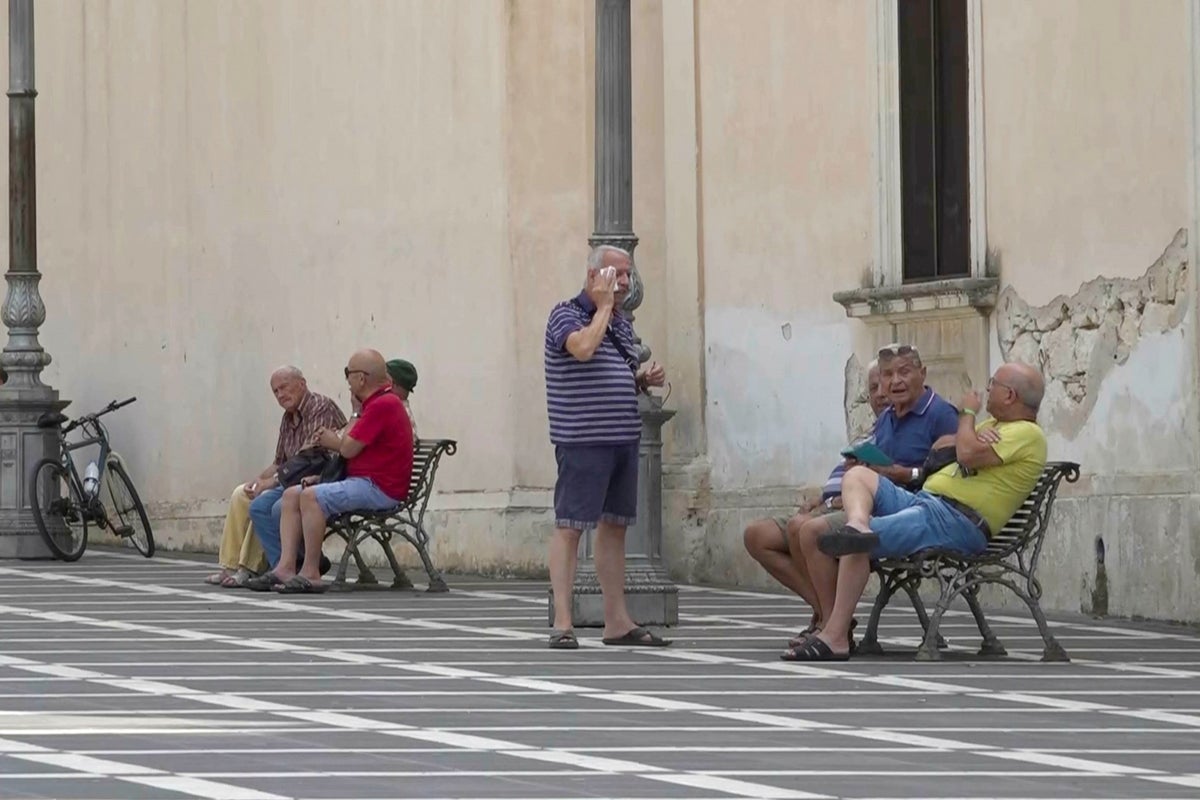
Southern European municipalities facing extreme thermal stress are no longer managing seasonal temperature spikes; they are navigating structural economic contraction. When ambient conditions exceed human physiological endurance thresholds, the operational model of tourism-dependent urban centers collapses. Traditional media narratives frame these systemic shifts through emotive tropes of towns transformed forever. A rigorous economic and behavioral audit reveals a more quantifiable reality. The core challenge is an unpriced externality of climate change that directly degrades labor productivity, municipal asset lifespans, and visitor retention metrics.
Municipalities crossing this thermal tipping point experience a dual crisis. First, peak-season revenue models face immediate compression because sustained wet-bulb globe temperature measurements restrict outdoor commercial activity. Second, fixed municipal costs for grid reinforcement, healthcare surge capacity, and water infrastructure maintenance escalate exponentially. This creates a structural deficit where traditional municipal governance frameworks fail. The standard response relies on reactive cooling centers and public health advisories. These measures treat symptoms while ignoring the fundamental breakdown of the urban heat island effect combined with regional drought conditions. In other updates, take a look at: The Permanent Wall Between the Princes.
The Tripartite Failure of Thermal Adaptation
Urban resilience frameworks in historic Mediterranean settlements fail across three distinct vectors. Understanding these vectors requires moving past anecdotal observations of deserted streets and examining operational bottlenecks.
Structural Thermal Inertia
Historic European urban architecture relies on high thermal mass materials such as stone and dense masonry. While these materials historically moderated diurnal temperature swings, prolonged heatwaves prevent overnight structural cooling. Buildings absorb thermal energy continuously for weeks. Without active mechanical climate control, indoor spaces become uninhabitable during peak afternoon hours. Retrofitting historic facades to comply with modern energy efficiency standards creates zoning conflicts and prohibitive capital expenditure requirements. The preservation mandates of historic city centers actively conflict with the physical modifications required for thermal safety. Al Jazeera has provided coverage on this fascinating subject in great detail.
Labor Productivity and Human Capital Degradation
Human cognitive and physical performance degrades rapidly when ambient temperatures breach operational thresholds. Outdoor labor in construction, agriculture, and hospitality faces legislative curtailment during peak afternoon hours. This reduction in available working hours contracts output per capita. Businesses cannot maintain baseline operational capacity without expanding headcounts to shift work into nighttime hours. Nighttime operations increase municipal policing, lighting, and security costs, offsetting marginal productivity gains.
Hydrological and Utility Bottlenecks
Water scarcity imposes hard caps on urban carrying capacity. As agricultural demand competes with municipal consumption and cooling system runoff, municipal water tables drop. Desalination infrastructure requires heavy capital investment and introduces high baseline energy costs. Electrical grids experience peak load failures as domestic and commercial air conditioning units operate simultaneously at maximum draw. This strain accelerates transformer degradation and increases the frequency of localized brownouts.
Quantifying the Behavioral Shift in Regional Tourism
Tourism economies operate on discretionary spending profiles sensitive to physical comfort and experiential quality. When a destination becomes synonymous with extreme weather hazards, traveler behavior shifts according to predictable risk-adjustment models.
Travelers exhibit loss aversion when booking vacations during historical peak temperature windows. The economic impact manifests as compressed booking windows and increased cancellation rates. Tour operators report a shift toward shoulder-season travel, which compresses annual revenue into shorter, less predictable operational windows. Local businesses must generate twelve months of operational capital in fewer viable weeks. This compresses profit margins and increases business mortality rates among independent operators.
Consumer preferences diverge based on demographic risk tolerance profiles. Older demographics and families with children avoid regions flagged for severe heat advisories. This shifts the demographic makeup of incoming visitors toward cohorts with lower per-capita spending power or higher sensitivity to discount pricing. The substitution effect directs capital toward northern European destinations or higher-elevation retreats, permanently altering regional market share allocations.
The Municipal Balance Sheet Crisis
Local governments shoulder the fiscal burden of heat-driven infrastructure decay without corresponding increases in revenue generation. Property tax valuations depend on locational utility and desirability. As thermal stress devalues specific micro-locations, municipal tax bases erode.
Capital allocation shifts away from long-term economic development investments toward emergency response protocols. Pavement degradation accelerates under continuous high-temperature friction and solar radiation, requiring more frequent resurfacing cycles. Urban forestry budgets escalate as municipal arborists attempt to maintain urban canopies under severe drought stress. Without adequate irrigation, these canopies die, removing natural shade mitigation and exacerbating the local urban heat island effect in a compounding feedback loop.
Strategic Capital Allocation for Regional Survival
Mitigating structural climate vulnerability requires moving beyond emergency management into capital reconfiguration. Regions facing permanent thermal transformation must deploy targeted interventions across physical infrastructure, economic diversification, and regulatory reform.
Municipalities must transition from surface-level cooling strategies to underground district cooling networks that utilize geothermal loops or deep-water sources. This decouples building thermal management from ambient outdoor temperatures and reduces individual building energy loads. Building codes must abandon strict historical preservation mandates for structural interiors, permitting interior insulation layers and advanced reflective glazing systems that do not alter street-facing aesthetics.
Economic reliance on hyper-seasonal, weather-dependent tourism requires targeted hedging through the development of indoor cultural economies, data-hosting infrastructure, and advanced manufacturing sectors that are less vulnerable to ambient weather conditions. Labor regulations must adapt to shift-based economies without imposing prohibitive labor cost penalties on small enterprises.
Urban planning departments must implement mandatory green-infrastructure density metrics for all commercial zones, tying property development approvals to documented microclimate cooling contributions. Subsidizing the deployment of decentralized solar microgrids paired with battery storage prevents grid collapse during peak thermal demand events, insulating commercial centers from regional brownouts.
The trajectory of heat-impacted municipalities depends on their willingness to write off obsolete economic models. Regions that cling to historical seasonal templates while deploying superficial adaptations face prolonged economic contraction. Survival requires treating thermal stress not as an exceptional seasonal anomaly, but as the permanent baseline parameter governing municipal finance, labor output, and infrastructure design.