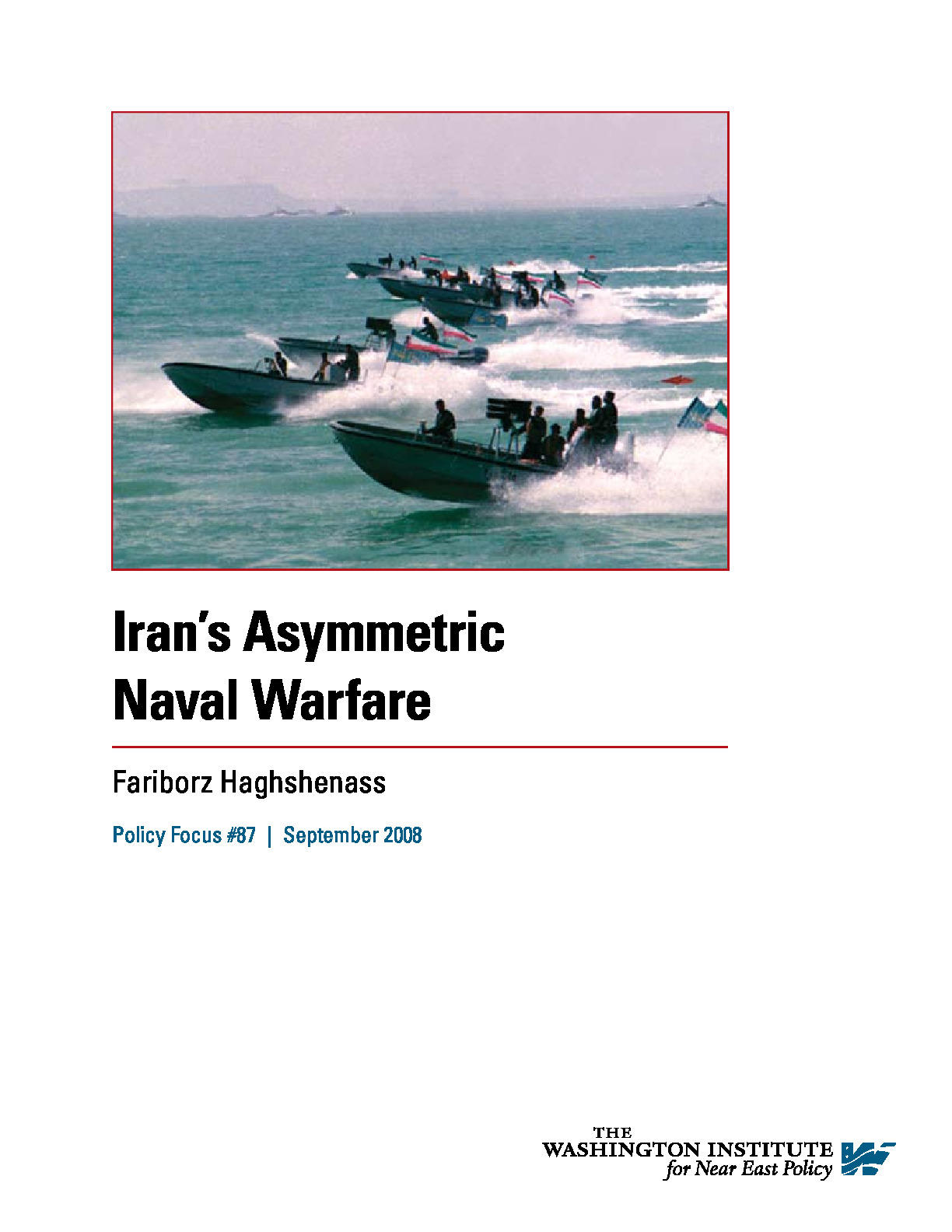
The kinetic strike on the Primorsk oil terminal represents a shift from symbolic harassment to a calculated disruption of the Russian Federation’s fiscal oxygen. Primorsk is not merely a geographic coordinate; it is a critical node in the Baltic Pipeline System (BPS-1), handling approximately 30% of Russia’s total maritime crude oil exports. By targeting this specific infrastructure, Ukrainian forces have moved beyond tactical skirmishes and into the realm of strategic energy denial. The efficacy of these strikes is best understood through the lens of asymmetric maritime warfare, where low-cost Unmanned Surface Vehicles (USVs) are utilized to invalidate high-value defensive assets and logistics hubs.
The Economic Gravity of the Primorsk Node
To analyze the impact of the strike, one must first quantify what Primorsk represents to the Russian state budget. The port serves as the primary outlet for Urals crude coming from the Timan-Pechora and Volga-Ural oil provinces. Unlike the Black Sea ports, which are subject to the logistical constraints of the Bosporus, the Baltic route offers direct access to international markets via the Danish Straits.
The disruption of this flow triggers a specific chain of economic friction:
- Storage Saturation: Crude oil extraction is a continuous process. When a terminal’s loading capability is compromised, the pressure moves upstream. Storage tanks at the port act as a buffer, but once they reach capacity, production at the wells must be throttled or shut in.
- The Repair Lead-Time Variable: Infrastructure at Primorsk, including sophisticated loading arms and pumping stations, relies on specialized components. Due to international sanctions, the procurement of high-pressure valves and control electronics introduces a significant recovery lag.
- Insurance Risk Premiums: Even if the physical damage is localized, the "war risk" premium for tankers entering the Baltic Sea increases. This reduces the net-back price Russia receives per barrel, effectively functioning as a decentralized tax on their primary revenue stream.
Mechanics of Asymmetric Maritime Interdiction
The strike utilizes a cost-imbalance ratio that favors the attacker by orders of magnitude. A standard Ukrainian USV, often powered by a civilian jet ski engine and equipped with Starlink for over-the-horizon control, costs roughly $250,000. In contrast, the vessels they target—Ropucha-class landing ships or modified tankers—carry valuations in the tens or hundreds of millions.
This creates a defensive paradox for the Russian Baltic Fleet. Traditional naval doctrine relies on "Area Access/Area Denial" (A2/AD) systems designed to counter traditional ships and aircraft. These systems often fail against low-profile, semi-submersible drones for three structural reasons:
- Radar Clutter and Sea State: Small USVs have a minimal Radar Cross-Section (RCS). In even moderate sea states, the "noise" from wave returns obscures the drone's signature, making automated detection nearly impossible until the terminal guidance phase.
- Acoustic Signature Masks: In a busy port environment like Primorsk, the ambient acoustic noise from tugs, tankers, and industrial machinery masks the high-frequency whine of a USV’s propulsion system.
- The Saturation Threshold: Point-defense systems (like the AK-630 CIWS) have finite tracking channels. If three drones approach from different vectors simultaneously, the defensive system must prioritize targets in a timeframe of seconds. A single failure results in a successful kinetic impact.
The Vulnerability of the Russian Tanker Fleet
While military ships are high-value targets for propaganda and naval capability, the targeting of tankers—or the infrastructure that services them—is a more potent lever. The Russian "Shadow Fleet," composed of older vessels with opaque ownership and questionable insurance, is particularly vulnerable. These ships often lack the advanced damage control systems and highly trained crews found on modern Western-regulated tankers.
The impact of a USV on a laden tanker is not necessarily designed to sink the vessel. Instead, the goal is "mission kill." A hole at the waterline or damage to the engine room renders the vessel a liability. It requires towing, blocks a berth, and creates an environmental hazard that requires specialized cleanup resources—further draining the port's operational bandwidth.
Tactical Integration of Electronic Warfare and Physical Strikes
Information suggests these strikes are preceded by sophisticated electronic warfare (EW) maneuvers. Before the physical impact, Ukrainian or allied intelligence likely maps the Russian "electronic order of battle" in the Baltic. By identifying gaps in radar coverage or periods of maintenance in the EW shield, the USVs can be routed through "cold zones."
The strike logic follows a three-stage sequence:
- Passive Reconnaissance: Utilizing signals intelligence (SIGINT) to identify the specific locations of military escorts and the activity levels of port security.
- Pathfinding: USVs utilize inertial navigation and GPS (when not jammed) to reach the outer perimeter of the port's exclusion zone.
- Terminal Homing: Switching to optical or thermal sensors to identify specific hulls, prioritizing tankers or ships with critical roles in fleet logistics.
Logistical Bottlenecks in the Baltic Sea
The Baltic is a semi-enclosed sea. This geography dictates that any vessel entering or leaving Primorsk must pass through narrow chokepoints. This creates a "corridor of vulnerability." If Ukraine can project power consistently into the Baltic, the Russian Federation faces a fundamental choice: reallocate air defense and naval assets from the Black Sea or the Arctic to protect the Baltic energy trade, or accept the steady erosion of its export capacity.
This reallocation creates a "security vacuum" elsewhere. If Russia moves S-400 batteries to protect Primorsk, they leave other critical infrastructure or front-line positions exposed. This is the definition of strategic overextension.
The Role of Satellite Telemetry in Over-the-Horizon Operations
The technical backbone of these long-range strikes is the integration of satellite communication with autonomous navigation. By maintaining a data link throughout the mission, operators can adjust course based on real-time satellite imagery or AIS (Automatic Identification System) data from nearby commercial vessels.
This connectivity allows for "loitering" behavior. A drone can wait in a low-power state outside a port for several hours, waiting for a high-value target to exit the protected inner harbor. This negates the traditional advantage of port defenses, which are strongest at the pier and weakest in the transit lanes.
Limitations and Operational Risks
The strategy is not without significant friction. The Baltic Sea is bordered by NATO members, which adds a layer of geopolitical complexity. Any kinetic action in these waters must be precisely targeted to avoid collateral damage to neutral commercial shipping or the environmental integrity of the coastline, which could alienate regional partners.
Furthermore, Russia is likely to respond with "passive" defenses:
- Anti-Submarine Nets: Physical barriers across harbor entrances. While effective, these slow down commercial traffic and require constant maintenance.
- Electronic Spoofing: High-power GPS jamming that can disrupt civilian navigation as much as military drones.
- Increased Patrol Cadence: Using helicopters and fast-attack craft to intercept USVs. This is resource-intensive and requires 24/7 readiness across a massive coastline.
The Shift Toward Industrial Attrition
The Primorsk strike signals that the conflict has entered a phase of industrial attrition. The objective is no longer just the destruction of individual ships, but the systematic degradation of the Russian energy export complex. By forcing Russia to spend more on defense, repairs, and insurance than it earns from the oil itself, the Ukrainian strategy aims to make the energy trade a net loss for the Kremlin.
Success in this theater is measured not by territory gained, but by the "Flow Rate of Disruption." If the frequency of strikes exceeds the speed of repair and the capacity of the defensive systems to adapt, the Russian energy infrastructure will eventually reach a point of "cascading failure," where the system remains nominally functional but economically insolvent.
The immediate strategic priority for the Russian command will be the hardening of the Baltic littoral. However, the inherent openness of maritime trade makes 100% protection an impossibility against an adversary that iterates its drone technology on a monthly cycle. The Baltic Sea, long considered a safe "rear area" for Russian commerce, has now been successfully contested, forcing a total recalibration of their maritime security posture.