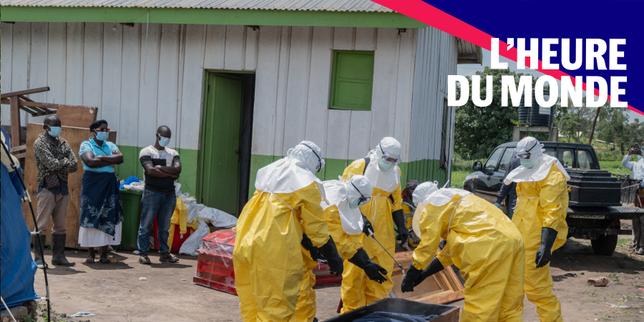
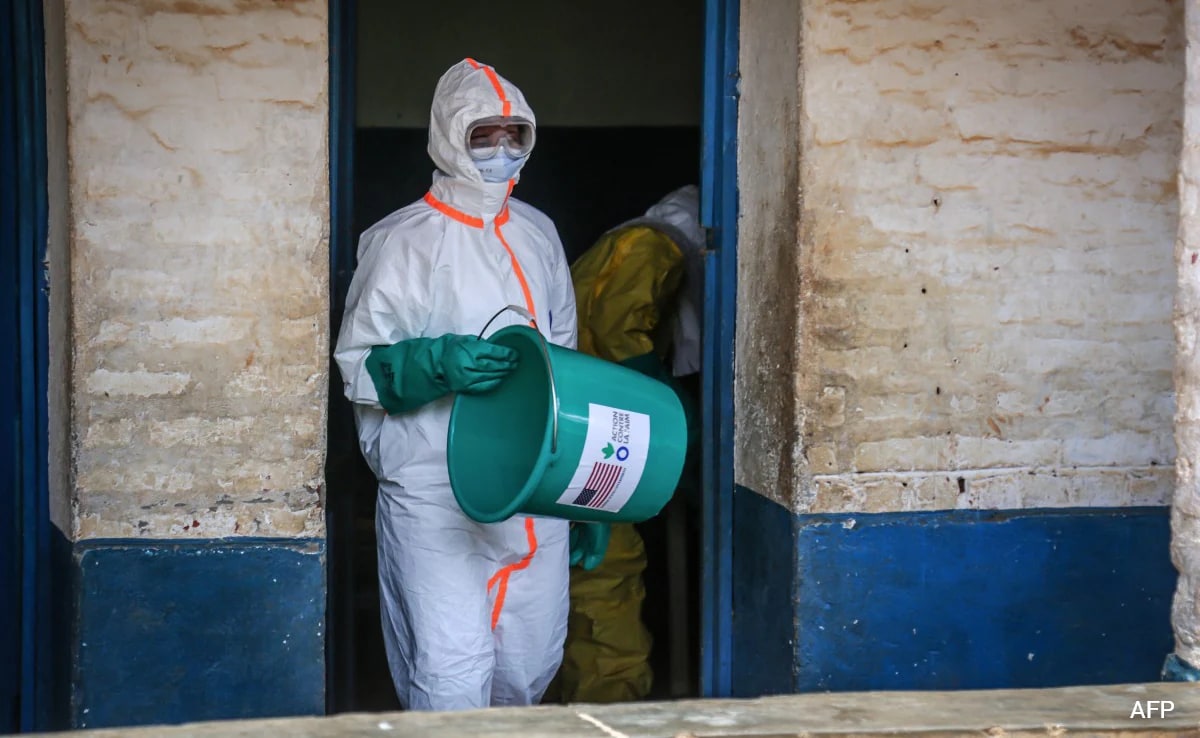
You thought the era of mandatory government quarantine facilities was dead and buried. Think again.
Six travelers who just wanted a dream vacation to Antarctica are now trapped inside a high-security compound in the outer suburbs of Perth, Western Australia. They aren't allowed to leave. They aren't allowed to see their families. And the Australian government just extended their isolation to a grueling 42 days.
Federal Health Minister Mark Butler dropped the hammer on Thursday, announcing that four Australians, a permanent resident, and a New Zealander will remain locked up at the Centre for National Resilience in Bullsbrook until June 23.
The reason? A terrifying, lethal hantavirus outbreak aboard the luxury expedition ship MV Hondius.
While the rest of the world lets exposed passengers return home with a slap on the wrist and some self-isolation paperwork, Australia is deploying its absolute heaviest biosecurity weapons. It's aggressive, it's exhausting for those trapped inside, and frankly, it's completely necessary.
The Reality Behind the 42 Day Lockdown
Most people look at a six-week quarantine and think it's massive bureaucratic overkill. It isn't.
The decision to extend the quarantine from the initial three-week period directly follows dark news from overseas. The virus isn't done executing its slow-burn timeline. Health officials just confirmed two brand-new cases linked to the MV Hondius voyage: a crew member who tested positive in the Netherlands and a passenger flagged in Spain.
This proves that the danger zone hasn't passed. The MV Hondius departed Argentina on April 1, and people are still popping up positive nearly two months later.
The math behind the 42-day timeline comes straight from the World Health Organization. Hantaviruses have an notoriously long, unpredictable incubation period. You could feel completely fine today, test negative tomorrow, and find yourself drowning in your own lung fluid next week.
Honestly, the government had no choice. Federal Health Minister Mark Butler confirmed that all six individuals trapped in Perth have tested negative again over the last 24 to 36 hours. They feel fine. They have zero symptoms. But because of how this specific strain behaves, those negative tests don't mean they're cleared. The Biosecurity Act order, which was set to expire on June 5, had to be pushed back.
This Is Not Your Average Rodent Virus
When most doctors hear "hantavirus," they think of a rare illness you get from sweeping up an old, dusty barn filled with mouse droppings in rural America. You inhale the aerosolized urine or feces of infected rodents, get sick, and that's it. It stops with you.
The MV Hondius outbreak blew up that textbook definition.
This specific outbreak is driven by a highly lethal South American strain, likely the Andes virus variant. Patient Zero was reportedly an American couple who went birdwatching near a landfill in Argentina before boarding the cruise. They both died. Then a third passenger died. The death toll quickly cast a shadow over the entire global cruise industry.
What makes the Andes strain a public health nightmare is its ability to do something other hantaviruses can't: spread directly from human to human.
If this were a standard American deer mouse virus, these passengers could have gone straight home to their families in Melbourne or Auckland. But when a virus can jump from person to person through close contact, a crowded cruise ship turns into a floating petri dish. With 13 confirmed cases worldwide, including a critically ill French national fighting for life on an artificial lung, the risk profile is off the charts.
Inside the Bullsbrook Isolation Facility
The six passengers are currently sitting inside the Centre for National Resilience in Bullsbrook. If that name sounds familiar, it should. Australia spent hundreds of millions building these custom quarantine compounds during the height of the COVID-19 pandemic.
Ironically, the Bullsbrook facility was completed just as pandemic border restrictions eased, meaning it sat largely empty and unused since 2022. Now, it's finally serving its purpose.
The travelers arrived here on May 15 via a highly coordinated, high-stakes international evacuation. The Australian government chartered a private Gulfstream business jet to fly them from the Netherlands, where they had been evacuated from the ship, straight to RAAF Base Pearce outside Perth. They were masked, escorted by a specialized medical team, and bussed straight to the compound without ever touching the general public.
While the facility provides modern, apartment-style accommodation, being stuck in a single room for 42 days takes a severe psychological toll. You can't just pop out for a walk. You can't cook your own meals or hug your partner.
Australia is currently the only nation enforcing a hard, institutional lockdown of this length for this voyage. Around 23 other countries have citizens who were aboard the MV Hondius, and almost all of them allowed their residents to return to their private homes after a brief check at a medical center.
The Tradeoff Between Freedom and Biosecurity
Australia's hyper-aggressive response has sparked debate among global health policy experts, but looking at the data, the government's caution makes total sense.
The Andes hantavirus variant carries a horrifying case fatality rate of around 30% to 40%. Compare that to early strains of COVID-19, which had a fatality rate of roughly 1% to 2%, and you quickly realize why the Australian health ministry is terrified. If this specific strain escaped into a major Australian metro area, the impact would be devastating.
Health officials have been very vocal about reassuring the public that the risk to regular citizens is virtually zero. And they're right. The virus doesn't hang in the air like measles or spread across a supermarket aisle like flu. It requires prolonged, close contact. But because the risk is so severe for anyone who does catch it, letting these six passengers walk free before the 42-day window shuts down completely would be reckless gamble.
What Happens Next For Travelers and Cruisers
If you have an upcoming cruise booked or you're planning a trip to South America, this situation serves as a stark warning. The travel industry is still vulnerable to sudden, disruptive biosecurity interventions.
For the six people stuck in Bullsbrook, the immediate future involves a lot of waiting, regular temperature checks, and continuous medical monitoring. They will not be allowed to step foot outside the facility gates until June 23 at the earliest, assuming no one develops symptoms in the final stretch.
For anyone currently managing international travel plans or looking at South American cruise itineraries, take these immediate steps to protect yourself:
- Check your travel insurance fine print. Most standard policies do not cover mandatory government quarantine expenses or evacuations triggered by rare biosecurity emergencies. Look for specialized "cancel for any reason" or comprehensive medical evacuation add-ons.
- Avoid high-risk rodent areas on shore excursions. If your itinerary stops in rural parts of Argentina or Chile, avoid entering poorly ventilated structures, old barns, or locations near landfills where wild rodent populations thrive.
- Monitor official health advisories daily. Don't rely on the cruise line to give you the full story. Keep tabs on updates from the World Health Organization and the Australian Department of Health to track how new biosecurity laws might impact your return journey.
The era of sudden, crushing lockdowns isn't completely behind us. It just takes the right virus to bring them back.