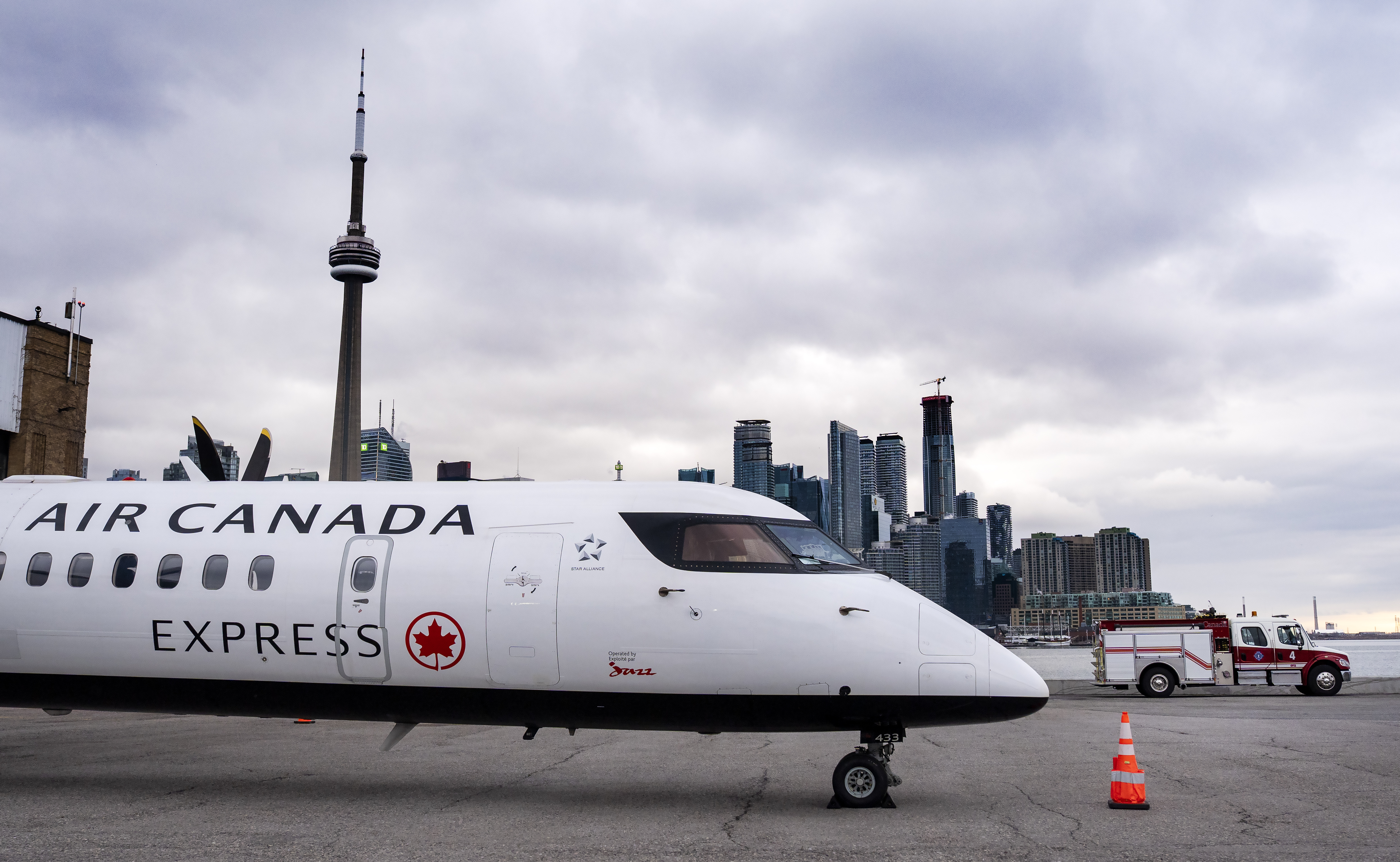
The wind off Lake Ontario has a sharp bite in late July, smelling faintly of diesel, wet reeds, and the endless expanse of fresh water that defines the southern edge of Toronto. If you stand on the boardwalk near Hanlan's Point Beach, you can hear the low, familiar hum of the turboprops lifting off from Billy Bishop Toronto City Airport. For decades, this quirky downtown airport has sat like a floating puzzle piece wedged right against the metropolis. It is an urban convenience for the business traveler clutching a lukewarm coffee, and a persistent, buzzing neighbor for the families who walk their dogs through Little Norway Park.
Then came the grand vision.
Back in March, Ontario Premier Doug Ford dropped a heavyweight proposal. Lengthen the runways. Bring in full-sized jets. Scale up passenger traffic from a modest two million a year to a roaring ten million. Proponents pointed to massive economic engines, projecting billions added to the national economy and thousands of new jobs. To the province, it looked like basic progress. Growth. Connectivity.
Consider what happens when a map drawn in a legislative chamber collides with the reality of daily life on the ground.
For the people who actually live under the flight path, the proposal felt less like progress and more like an eviction notice from their own peace of mind. Imagine sitting on your balcony or trying to enjoy a quiet afternoon in a public park, only to picture heavier, louder commercial jets roaring overhead on an extended strip of pavement. Concerns quickly spiraled beyond mere noise. Residents worried about environmental degradation, choked local traffic, and the erosion of the precious green spaces that make Toronto's waterfront liveable. Compounding the tension, the provincial government passed legislation taking over the city's stake in the tripartite agreement governing the airport lands, stripping municipal veto power and fueling accusations of a heavy-handed land grab.
The friction turned into an unprecedented civic mobilization.
Transport Canada launched an online public consultation, expecting the usual polite trickle of bureaucratic feedback. Instead, the floodgates opened. More than 87,000 responses poured in. It was a massive wave of public sentiment, overwhelmingly driven by local residents saying a firm, unyielding no to the expansion.
The federal government listened.
Federal Transport Minister Steven MacKinnon formally announced that Ottawa has halted the Billy Bishop airport expansion plans. The decision was explicit. The federal focus remains strictly locked on approved safety enhancements—specifically the Runway End Safety Areas project currently underway—rather than welcoming larger commercial jets.
Minister MacKinnon drew a hard line in the sand. Ottawa refused to back any initiative that infringes upon treasured public sanctuaries like Little Norway Park or Hanlan's Point Beach, generates unbearable noise, or compromises the city's urgent need to build new housing.
For Toronto Mayor Olivia Chow and local advocacy groups, the halt represents a massive victory for grassroots community organizing. Chow publicly thanked federal leaders for heeding the voices of citizens and immediately called on the province to return city-owned lands.
Yet, the story is far from finished.
The provincial transportation ministry remains defiant, signaling that the fight for greater regional connectivity and multi-billion-dollar economic benefits is far from over. Provincial leaders argue that a growing province cannot afford to leave economic potential grounded.
For now, the runway stays as it is. The turboprops will continue their familiar climb over the harbor, and the waterfront parks will keep their trees. But the deeper tension remains unresolved, hovering quietly over the water like the afternoon mist, waiting to see what shape the future will take.