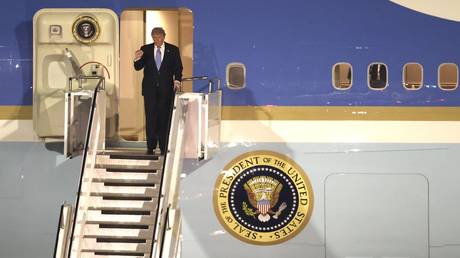
Tensions always run high when politicians and journalists share a room. But sometimes, the annual White House Correspondents' Dinner transforms into an arena of open hostility. You aren't watching a typical political gathering when public insults fly between a sitting president and the people assigned to cover them.
Let's look at what actually happens behind the scenes of these awkward evenings. Media analysts and political historians spend hours dissecting these moments. Why do they matter so much? Because they expose the fragile relationship holding modern democracy together.
The History of an Uncomfortable Tradition
The White House Correspondents' Association started hosting its massive annual gala way back in 1921. It was meant to be a lighthearted night. Presidents, cabinet members, and Hollywood stars mingle with the reporters who hound them daily. Sounds fun, right? Not quite.
Over the decades, the tone shifted. What started as a modest dinner turned into a star-studded media circus. Networks spend fortunes on after-parties. Celebrities walk red carpets alongside Washington insiders.
When you mix high-stakes journalism with red-carpet glamour, things get weird. Reporters are supposed to hold power accountable. Eating fancy steak and laughing at jokes with the very people they investigate creates a strange contradiction. Critics call it too cozy. Journalists argue it builds necessary rapport.
Then you add a president who openly despises mainstream media outlets. The room changes instantly.
When the Jokes Stop Being Funny
Humor requires mutual respect. When that respect vanishes, comedy turns into a battlefield.
Picture this. You are sitting at a banquet table. Millions of people are watching on television. A comedian stands at the podium and roasts the commander-in-chief. Sometimes, presidents take it in stride. Other times, they sit stone-faced, arms crossed, refusing to crack a smile.
Worse yet is when the president decides to fight back from the stage or through public remarks leading up to the event. Instead of a mild roast, the evening becomes a platform for grievances.
- Accusations of fake news fly freely.
- Reporters are singled out by name.
- The audience shifts uncomfortably in their seats.
You can feel the air leave the ballroom. Wine glasses clink nervously. People check their phones to see what Twitter is saying about the disaster unfolding live.
Why Presidents Keep Showing Up
If the night is so awkward, why do politicians keep buying tickets? Simple. Optics.
Skipping the dinner sends a loud message. It signals that a president is too weak to take a joke or too hostile to engage with a free press. Donald Trump famously skipped the dinner multiple times during his first term, choosing instead to hold campaign-style rallies where he could attack reporters without anyone talking back.
That strategy worked for his base. It painted the press corps as out-of-touch elites dining with Hollywood actors while ordinary citizens struggled.
On the flip side, attending means facing the music. It forces a leader to sit through brutal jokes about their policies, their appearance, and their scandals. It takes thick skin. When a president lacks that skin, the event descends into chaos.
The Real Cost to Journalism
This isn't just about awkward dinner parties. It affects how news is reported every single day.
When a leader calls reporters enemies of the people, safety risks skyrocket. Journalists covering rallies face physical threats. Public trust in factual reporting hits historic lows. Pew Research Center data consistently shows declining trust in traditional news organizations, driven heavily by aggressive political rhetoric.
You have to ask yourself a tough question. Can a free press function effectively when the executive branch treats them like a hostile foreign power?
Some argue that journalists should boycott the dinner entirely. They believe cozying up to politicians ruins their credibility. Others insist that showing up is a form of resistance, proving that reporters won't be intimidated into silence.
Moving Forward in a Divided Media Climate
The dynamic between the White House and the press corps won't fix itself anytime soon. Social media algorithms reward outrage. Nuanced policy reporting gets buried beneath viral clips of verbal altercations.
If you want to stay informed without getting sucked into the partisan circus, look past the headlines about who insulted whom at a fancy dinner. Focus on investigative reporting, policy changes, and verifiable data. Pay attention to local newsrooms where real accountability journalism still happens away from the Washington spotlight. Support outlets that prioritize facts over theatrical drama. The future of a healthy democracy depends entirely on how well we separate serious journalism from political entertainment.