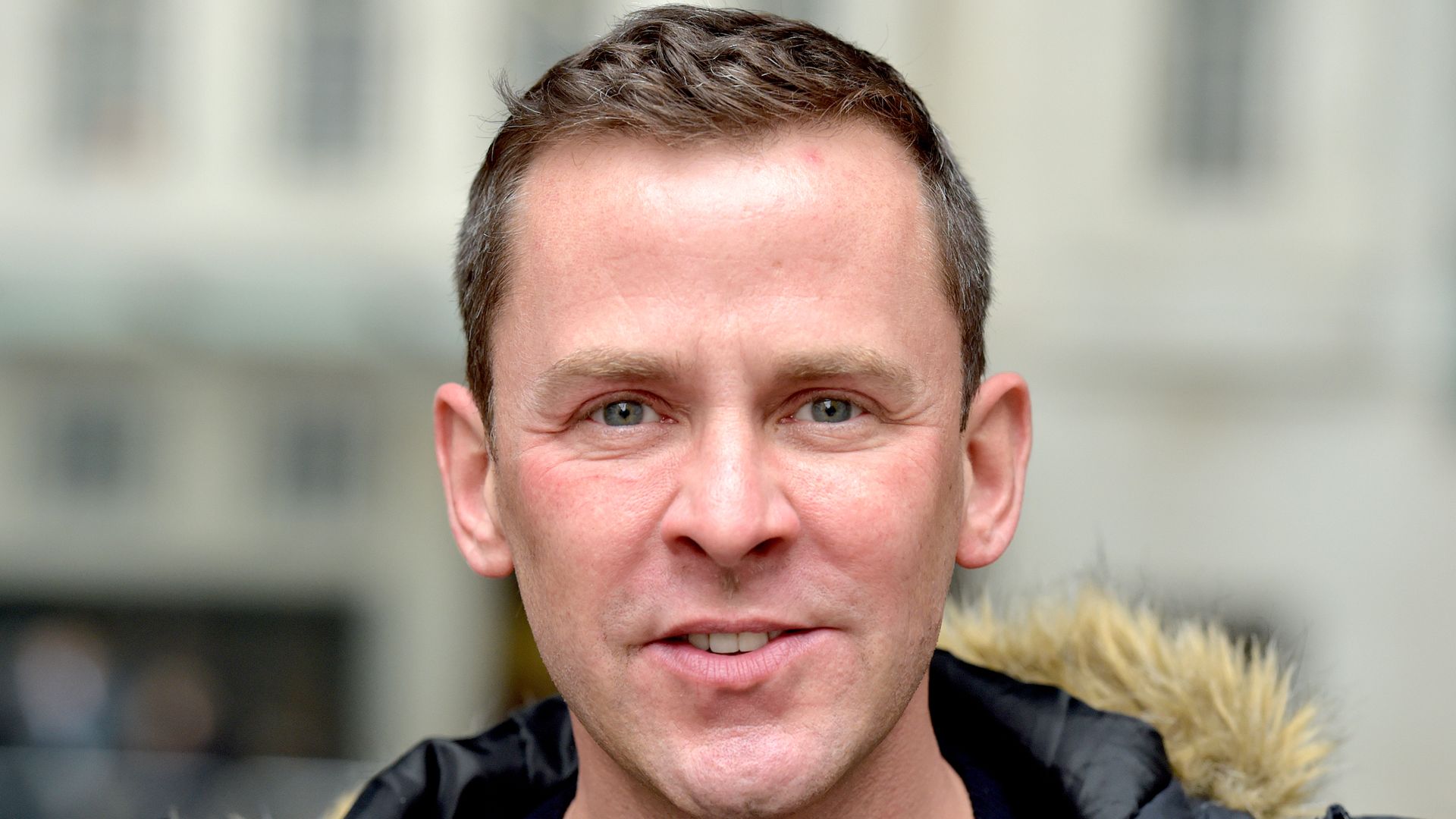
The headlines are predictable. A household name disappears. A press release mentions "new information" or "ongoing investigations." The public feasts on the scandal. But the recent fallout surrounding Scott Mills and the BBC isn't just another tabloid cycle. It is a masterclass in institutional cowardice.
The "lazy consensus" suggests that a quick firing is a sign of a moral organization cleaning house. It isn't. It is the frantic scrubbing of a crime scene by a landlord who knew the floorboards were rotting years ago. When the BBC severs ties with talent amid police investigations involving minors, they aren't protecting the public. They are protecting their charter. For an alternative look, check out: this related article.
The Myth of the Sudden Discovery
Public institutions love to pretend they are shocked. They lean on the "we acted as soon as we knew" narrative like a crutch. Having spent twenty years navigating the corridors of major media conglomerates, I can tell you the "shock" is usually a carefully choreographed PR pivot.
In these high-stakes environments, "rumor" is a currency. Information about the private lives of top-tier talent doesn't just appear out of thin air when a detective knocks on the door. It simmers in green rooms. It is whispered by assistants. It is buried in the "risk assessment" folders of executive producers. Related coverage on this trend has been published by Vanity Fair.
The BBC’s decision to sack Mills following allegations involving an under-16-year-old is a reactive strike. It is the corporate equivalent of burning a house down to hide the fact that you never checked the wiring. The real failure isn't the discovery; it’s the vacuum of accountability that exists until the police make the discovery for you.
The Talent Industrial Complex
Why do these entities wait? Because talent is a revenue stream. Scott Mills wasn't just a voice; he was a brand. In the entertainment industry, we treat "The Talent" as a protected species. This creates a dangerous power asymmetry.
- The Halo Effect: If someone is liked by millions, the internal logic dictates they must be fundamentally decent.
- The Revenue Shield: Replacing a flagship host is expensive, risky, and drags down listener figures.
- The Legal Firewall: HR departments are designed to protect the company from the employee, but they are also designed to protect the company's assets from external scrutiny.
Imagine a scenario where a mid-level IT manager was flagged for similar behavior. They would be gone in an afternoon, no press release required. But when it’s a Radio 2 veteran, the institution waits for "definitive" legal triggers. This isn't due process. It’s risk management disguised as morality.
Why Firing Him Solves Nothing
The standard response to a scandal is to delete the person from the archives and pretend they never existed. This is the "Stalinist approach" to broadcasting. It’s a cheap trick.
Removing a presenter from the airwaves after the damage is done is a performative gesture. It does nothing to address the culture that allowed the behavior to go unnoticed—or worse, ignored—for years. If the BBC wants us to believe they are a moral vanguard, they need to stop firing people at the finish line and start vetting them at the starting blocks.
The "People Also Ask" sections of the internet are currently obsessed with when the BBC knew. That is the wrong question. The right question is: What structures are in place to ensure that the power of fame cannot be used as a shield? The answer, currently, is "none."
The Contractual Fallacy
Industry insiders talk about "morality clauses" as if they are ironclad shields for the public interest. They are actually loopholes for the lawyers. A morality clause is triggered when the optics become too expensive to maintain.
If you look at the mechanics of these contracts, they rarely prioritize the victim. They prioritize the "reputation of the Corporation." This means the institution is incentivized to keep quiet until the noise from the outside becomes louder than the profit on the inside.
I’ve seen contracts where "conduct unbecoming" is only a terminable offense if it reaches the front page of a national newspaper. That is a bankrupt way to run a public service.
The Cost of the "Clean Hands" Policy
There is a downside to this contrarian view: it demands a level of transparency that might actually destroy the BBC. If the corporation were to truly audit its history and its current roster with the same fervor it uses to distance itself from sacked presenters, the fallout would be catastrophic.
But the alternative is the current cycle:
- Ignore the whispers.
- Wait for the police.
- Issue a "zero tolerance" statement.
- Wash hands.
- Repeat.
This cycle is an insult to the license fee payer and a betrayal of the victims involved.
The Actionable Truth for the Industry
If we want to stop this, we have to kill the cult of the "irreplaceable" presenter.
- Decentralize the Power: No single personality should be "too big to fail."
- Independent Oversight: Internal investigations are a joke. You cannot mark your own homework when the grade determines your share price or your public funding.
- Whistleblower Protection with Teeth: Not a phone line that rings in a basement, but a legal framework where an assistant can flag a presenter’s behavior without ending their own career.
The BBC didn't act out of integrity. They acted out of necessity. They sacked Scott Mills because the alternative—keeping him during an investigation involving a minor—was a PR suicide note.
Stop praising the corporation for doing the bare minimum after their hand was forced. Start demanding to know why it takes a police investigation for a billion-pound organization to see what’s happening in its own backyard.
The era of the untouchable broadcaster is over. The era of institutional accountability hasn't even begun.
Stop waiting for the police to do HR’s job.