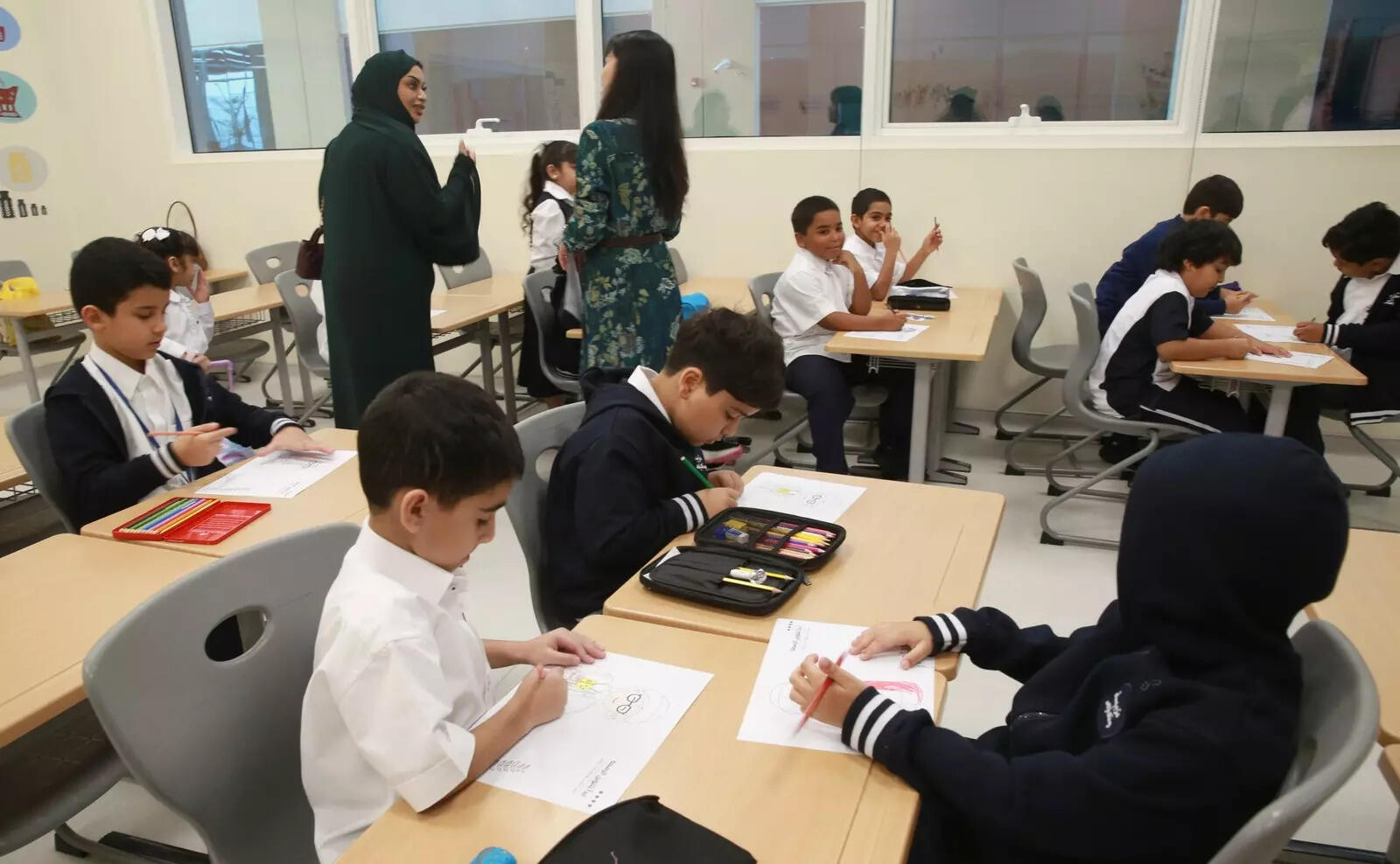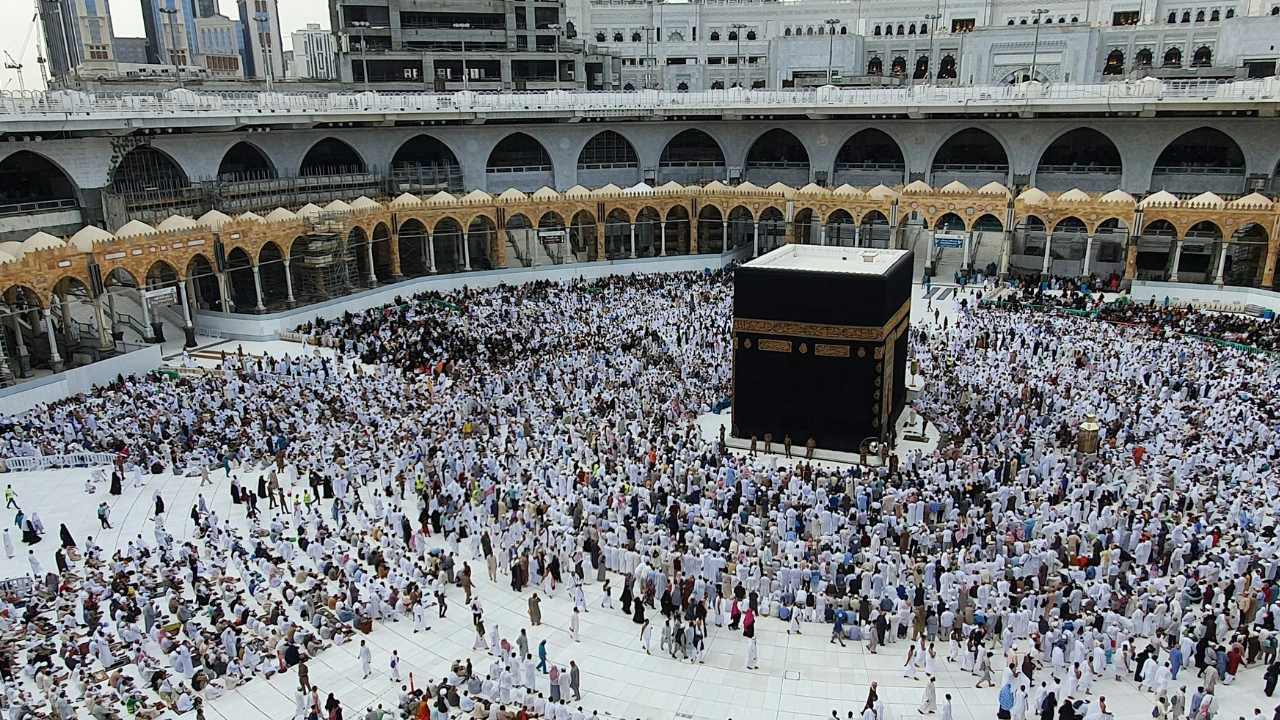
The moon does not care for borders. When the slender silver sliver of the Shawwal moon appeared in the sky above the Middle East this year, it signaled the end of Ramadan just as it has for fourteen centuries. It promised the arrival of Eid al-Fitr, the festival of breaking the fast. In a normal year, this is a symphony of sensory overload. You would smell the deep, buttery scent of maamoul cookies baking in stone ovens. You would see children sprinting through narrow alleys in stiff, brand-new denim and lace. You would hear the rhythmic, melodic pulse of the Takbir echoing from minarets, a sound that usually tumbles over rooftops like a warm blanket.
But this year, the rhythm is broken. The "shadow of war" is a poetic phrase used by journalists sitting in climate-controlled bureaus, but for a father in a tent in Rafah or a mother in a scarred neighborhood of Khartoum, it isn't a shadow. It is a weight. It is a physical presence that sits at the dinner table, occupying the empty chairs of those who didn't live to see the crescent rise. Building on this theme, you can find more in: Why the Green Party Victory in Manchester is a Disaster for Keir Starmer.
The Mathematics of a Ghost Table
Tradition dictates that Eid is a time of abundance. To understand the gravity of what has been lost, look at the anatomy of a celebration. Usually, the weeks leading up to the holiday involve a frantic, joyful commerce. Markets are choked with people buying nuts, honey, new clothes, and small toys. It is a peak economic moment, a time when the "Eid gift"—the Eidiya—passes from the hands of elders to the palms of children, teaching them the value of generosity.
In Gaza, the market is a graveyard of stalls. Inflation has turned a simple bag of sugar into a luxury beyond reach. When a kilo of basic flour costs ten times its usual price, the ritual of baking communal sweets becomes an act of impossible defiance. Families aren't choosing between brands of chocolate; they are choosing between a single piece of fruit and another day of hunger. Experts at NBC News have provided expertise on this matter.
Consider a hypothetical, yet representative, character named Yusuf. Yusuf is ten years old. In his memory, Eid is the smell of his mother’s rosewater syrup and the crinkle of a new five-shekel note in his pocket. This year, Yusuf’s "new clothes" are the same dust-streaked sweater he has worn for four months. His feast is a bowl of watery canned beans shared among six people. The invisible stakes here aren't just about calories. They are about the erosion of childhood itself. When a culture's primary joyful milestone is stripped of its color, the psychological scarring runs deeper than any physical wound.
A Silence Where the Song Should Be
In Sudan, the conflict between rival military factions has turned the capital into a hollow shell of its former self. Khartoum used to be famous for its open-house Eid. You didn't need an invitation. You walked down the street, and doors were flung wide. You were pulled in for tea, for lamb, for conversation. It was a social glue that mended the small tears in the neighborhood fabric throughout the year.
Now, the streets are sniper alleys. The open-door policy has been replaced by the heavy thud of deadbolts and the terrifying proximity of artillery. The festival of breaking the fast has become a festival of survival. In many areas, the mosques—the very heart of the morning Eid prayer—are either inaccessible or piles of rubble.
The loss of the communal prayer is perhaps the most painful sting. There is a specific psychological release in standing shoulder-to-shoulder with hundreds of strangers, bowing in a unified wave of motion. It reinforces the idea that you belong to something larger than your own suffering. Without it, the suffering becomes individualized. It becomes lonely. When the collective "we" is shattered by the threat of a drone strike or a stray shell, the individual is left to carry the grief of a nation in a quiet, dark room.
The Economy of Resilience
War doesn't just destroy buildings; it incinerates the small economies that sustain dignity. Eid is traditionally the busiest time for tailors, barbers, and bakers. These are the micro-enterprises that form the backbone of Middle Eastern urban life. When these shops are shuttered, the "recovery" after a war becomes exponentially harder. A tailor whose sewing machine has been crushed by debris hasn't just lost a tool; he has lost his ability to provide the "dignity of dress" to his community.
In Lebanon, where the spillover of regional tension meets a collapsing currency, the struggle is different but no less acute. Here, the war is a constant hum on the horizon, a specter that keeps the diaspora away. Usually, Eid is the time when the "Lebanese abroad" fly home, bringing hard currency and a sense of global connection. This year, the airports are quieter. The flights are half-empty. The economic blood transfusion that the holiday usually provides has slowed to a trickle.
The statistics tell us that poverty rates in these conflict zones have doubled or tripled. But statistics don't feel the shame of a father who has to tell his daughter that there are no new shoes this year. They don't capture the ingenuity of a mother who tries to fry scraps of dough in salvaged oil just to give her children a fleeting taste of "normal."
The Defiant Sweetness
Despite the carnage, there is a stubborn, almost miraculous refusal to let the light go out entirely. In the makeshift camps of Deir al-Balah, you can find women gathering around a single small fire. They aren't cooking a feast, but they are together. They are talking. They are sharing stories of Eids past.
This is the hidden core of the holiday: it is a container for memory. Even when the physical elements—the meat, the clothes, the lights—are stripped away, the ritual remains. It becomes a form of non-violent resistance. To celebrate in the face of destruction is to claim that your humanity is not subject to the whims of a general or the trajectory of a missile.
One woman, displaced three times in six months, described her attempt to make a small batch of cookies using crushed biscuits and a bit of date paste. She didn't have an oven, so she used a tin lid over a small flame. "It didn't taste like home," she said. "But it smelled like a prayer."
That smell is the thin line between total despair and the will to keep going. It is the insistence that even in the dirt, there can be a moment of sanctity.
The Heavy Toll of the Empty Chair
We often talk about the "fallen" in terms of military objectives or geopolitical shifts. We rarely talk about them in terms of the Eid morning meal. The first Eid after a loss is a unique kind of torture. In the Middle East, the first day of the holiday often involves visiting the graves of loved ones. This year, the cemeteries are overgrown, or worse, they are new and vast.
The ritual of "visiting the dead" has taken on a literal, daily quality for millions. When the holiday arrives, the absence of the departed is amplified by the silence of the phone. No call from a brother in the city. No grandmother holding court in the living room. The stakes of the conflict are measured in these silent minutes. The geopolitical analysts can argue about "buffer zones" and "strategic depths," but the reality is a chair tucked under a table that will never be pulled out again.
Why the World Looks Away
There is a fatigue that sets in when a crisis lasts too long. The headlines begin to blend together. "Eid under fire" becomes just another seasonal trope. But to allow the narrative to become "standard" is to participate in the erasure of these people's lives. When we stop being moved by the idea of a child celebrating a holiday in a trench, we lose a piece of our own humanity.
The reality of Eid 2024 and 2025 across the Levant and North Africa is a testament to the endurance of the human spirit, but it is also a searing indictment of a global system that allows the most sacred days of a billion people to be turned into days of mourning.
It is easy to write about the "resilience" of the people in the Middle East. It's a comforting word. It suggests they can handle it. It suggests we don't need to help. But resilience is often just a polite word for having no other choice. Nobody wants to be resilient; they want to be safe. They want to be bored. They want an Eid where the only thing they have to worry about is whether the tea is too hot or if the children will eat too much candy and get a stomach ache.
As the sun sets on the final day of the festival, the lights in the camps flicker and die out. The moon remains, indifferent and cold. The "shadow" hasn't lifted. But in the morning, people will still wake up, they will still brush the dust from their doorsteps, and they will still find a way to whisper "Eid Mubarak" to a neighbor, even if their voice cracks under the weight of the words.
The cookies might taste like smoke this year, but the fact that they were baked at all is a victory that no army can claim.
Would you like me to analyze the specific economic shifts in the Middle East during this period to provide more historical context for your narrative?