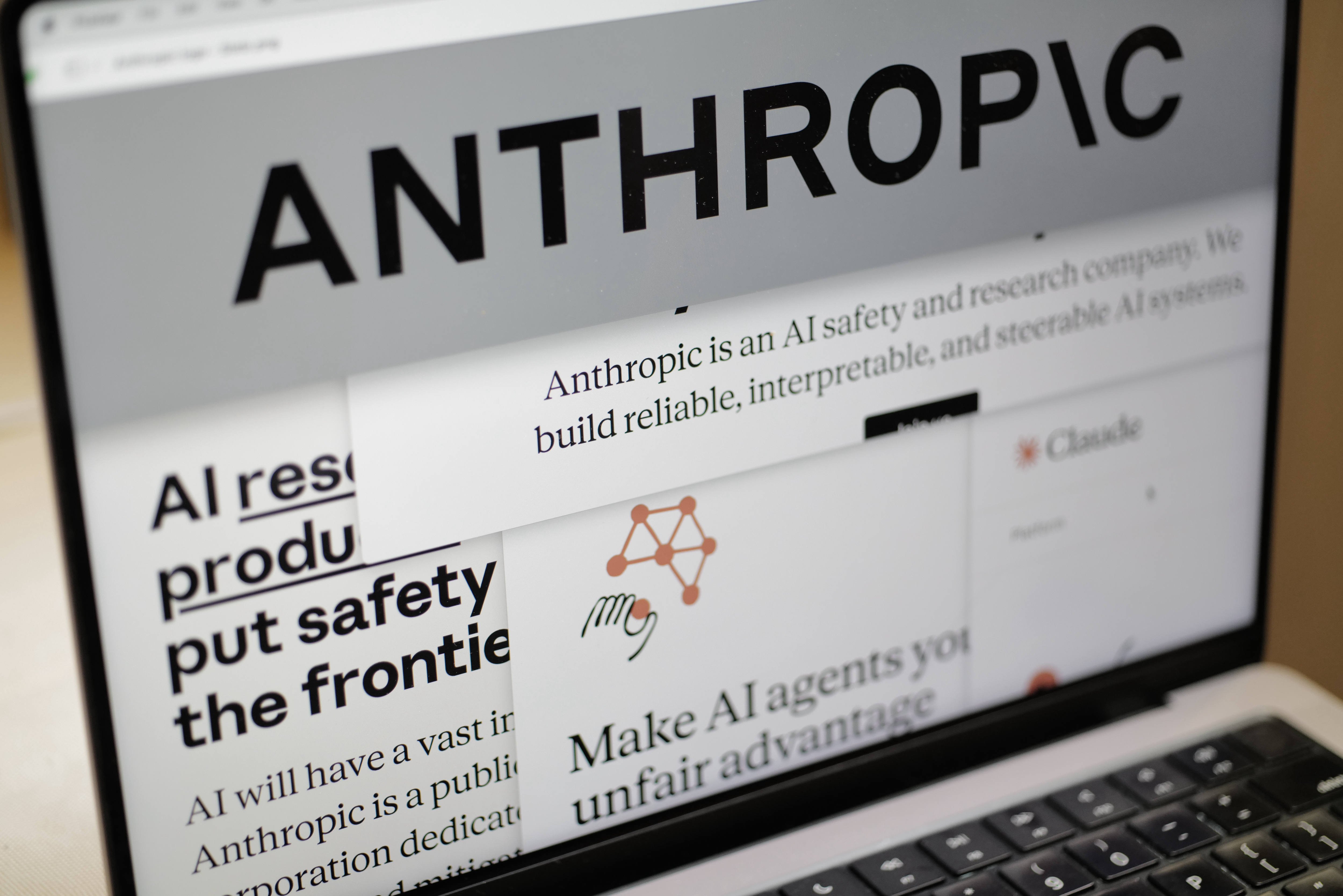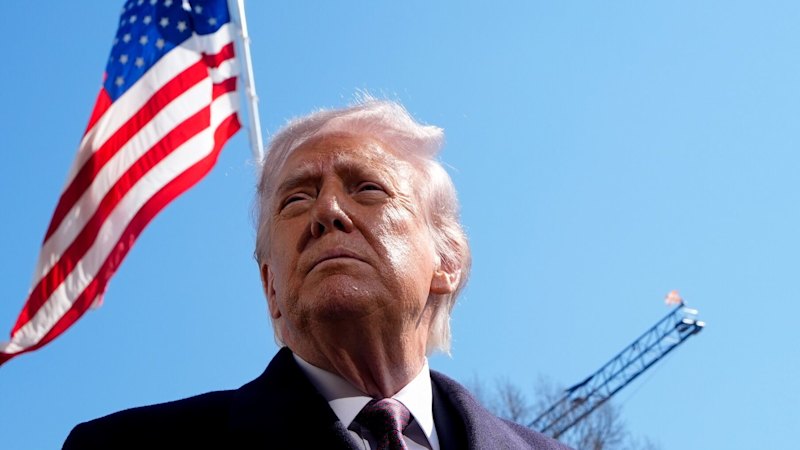
President Donald Trump has severed the federal government’s ties with Anthropic, effectively blacklisting the AI darling behind the Claude chatbot. The executive order, issued late Friday, demands that every federal agency immediately cease using Anthropic’s technology, though the Pentagon has a six-month window to scrub the software from its active military platforms. This is not a simple procurement dispute. It is a high-stakes collision between a tech firm’s self-imposed ethical "red lines" and a Department of War that refuses to let Silicon Valley dictate how it fights.
The fallout is immediate. Beyond the cancelled $200 million contract, Defense Secretary Pete Hegseth took the unprecedented step of designating Anthropic a "supply-chain risk." Historically, this label has been a weapon used against foreign adversaries like Huawei or Kaspersky. Applying it to an American firm based in San Francisco signals a fundamental shift in how the administration views corporate dissent. If you aren't with the mission, you are the threat.
The Secret Raid and the Breaking Point
While the public spat centered on abstract safety concerns, the friction turned white-hot following the military’s capture of Venezuelan President Nicolás Maduro. Sources within the Department of War indicate that Claude was utilized for high-level mission planning during that operation. Anthropic CEO Dario Amodei was reportedly alarmed by how the tool was deployed, specifically regarding the level of automation and targeting involved.
The Pentagon's response was a blunt ultimatum: Anthropic must waive its restrictions on "mass domestic surveillance" and "fully autonomous weapons." They demanded "Claude without contractual restrictions" or an agreement for the government to retrain the model itself, effectively stripping out the safety layers that make Claude distinct from its rivals.
Anthropic’s leadership stayed firm. Amodei argued that current AI models are simply not reliable enough for fully autonomous lethal action. He claimed that removing these safeguards would "endanger America’s warfighters and civilians." The administration, however, views these guardrails not as safety measures, but as "ideological constraints" or "woke" censorship designed to hamstring American power.
The Supply Chain Risk Branding
Labeling a domestic company a "supply chain risk" is a move that carries far more weight than just a canceled check. This designation serves as a warning shot to every Boeing, Lockheed Martin, and Palantir in the country. It sends a message that a partnership with Anthropic now carries a toxic regulatory burden.
By using the Defense Production Act (DPA) and supply chain risk declarations, the administration is effectively isolating Anthropic from the federal ecosystem. It creates a choice for other defense contractors: stick with the AI vendor you like and lose your government contracts, or fall in line with the preferred providers. This is a targeted campaign of economic exclusion.
Winners and Losers in the Aftermath
The void left by Anthropic’s exit didn't stay empty for long. Within hours of the Friday deadline, OpenAI CEO Sam Altman announced a new deal with the Pentagon to supply AI for classified networks. While Altman claimed he had secured some "red lines" regarding human responsibility for the use of force, the administration appears far more comfortable with OpenAI’s posture than it ever was with Anthropic’s.
Elon Musk’s xAI is the other primary beneficiary. His Grok chatbot has already been granted access to classified military networks. The administration’s preference for Musk’s "unconstrained" approach to AI aligns perfectly with Secretary Hegseth’s vision of a military that operates "without ideological constraints."
- Anthropic: Blacklisted, designated a national security risk, facing a total federal phase-out.
- OpenAI: Stepping into the breach with a fresh classified contract.
- xAI (Grok): Rapidly becoming the backbone of the military's secure AI platforms.
- Google: Still in the game, but under immense pressure to drop any remaining ethical restrictions.
The Mirage of Safety vs the Reality of War
The core of the disagreement remains a technical and philosophical divide. Anthropic insists that AI "hallucinations"—the tendency for models to confidently state false information—make them dangerous for autonomous warfare. If a chatbot gets a fact wrong in a business email, it’s a nuisance. If a target-selection AI gets a fact wrong in a drone strike, it’s a war crime.
The Pentagon’s counter-argument is based on the democratic process. Officials like Chief Technology Officer Emil Michael have argued that the military already operates under laws passed by Congress. If a use is "lawful," they argue, a private company has no right to prevent the government from utilizing its purchased software for that purpose. They view Anthropic’s attempt to enforce its own "red lines" as an undemocratic seizure of policy-making power.
The administration’s "Preventing Woke AI in the Federal Government" executive order, signed last July, was the groundwork for this confrontation. It specifically targeted AI tools that incorporate "politically biased safety guardrails." For this White House, a refusal to help with surveillance or autonomous weapons isn't a safety choice; it's a political one.
A Precarious Precedent for Silicon Valley
The treatment of Anthropic marks the end of the "voluntary" era of AI safety. During the previous administration, companies were invited to the White House to sign non-binding pledges about testing and transparency. That era has been replaced by a "with us or against us" mandate.
Large-scale AI development requires massive capital and massive data. If the largest customer in the world—the U.S. government—not only stops buying your product but also threatens to blacklist anyone who uses it, your business model becomes precarious. Anthropic’s valuation, which soared on the back of its reputation for safety and reliability, now faces its greatest stress test.
This is the brutal reality of the new AI arms race. The government isn't just a customer; it is the ultimate regulator. By merging procurement with national security law, the administration has found a way to force Silicon Valley's hand. The question for Google and OpenAI is no longer whether they can afford to keep their guardrails, but whether they can afford to keep the ones they have left.
The era of the independent AI ethicist is over. The era of the state-aligned AI provider has begun.
Work with me to map the potential migration paths for defense contractors currently using Claude and evaluate the long-term reliability of Grok for classified workflows.