The US-brokered ceasefire in Ukraine is not just fraying at the edges; it is being systematically dismantled by the very powers tasked with upholding it. While Washington maintains a public posture of optimism, the reality on the ground tells a story of tactical repositioning rather than genuine peace. Both Moscow and Kyiv are utilizing this window of "restraint" to fix supply lines and rotate exhausted battalions. The blame game currently dominating international headlines is a calculated distraction from the fact that neither side sees a path to their version of victory through diplomacy right now.
The Illusion of Restraint
Diplomacy often functions as a shadow for military logistics. To understand why the fighting continues despite the formal agreement, one must look at the rail lines and fuel depots rather than the podiums in Geneva or Washington. For the Kremlin, a pause offers the chance to integrate newly mobilized units and repair armor that has been grinding through the mud for months. For Kyiv, it is a race to integrate Western hardware and train operators before the next inevitable surge.
This isn't a failure of communication. It is a fundamental misalignment of objectives. The ceasefire was sold as a humanitarian necessity, but in the war rooms, it is viewed as a strategic variable. If a commander sees an opportunity to take a high-ground position or a vital crossroads while the enemy is supposedly standing down, they will take it. They justify it as "defensive repositioning," a term that has become a catch-all for any violation of the spirit of the deal.
The Washington Disconnect
The United States finds itself in an increasingly precarious position as the primary architect of this truce. By tethering its prestige to a pause in hostilities, the Biden administration has given both belligerents a lever to pull. Ukraine uses the threat of a ceasefire collapse to demand more advanced weaponry, arguing that only a stronger defense can deter Russian aggression during the "peace." Russia, conversely, uses every minor skirmish as "proof" that the West cannot control its proxy, attempting to drive a wedge between NATO allies.
Western intelligence officials are privately concerned that the current framework lacks any real enforcement mechanism. Without neutral monitors who have the freedom to move across the front lines without being shot at, verifying who fired first becomes an exercise in futility. We are left with a situation where satellite imagery shows movement, but the political will to call out specific violations is absent because doing so would officially declare the US-led effort a failure.
Hardware Over Hegemony
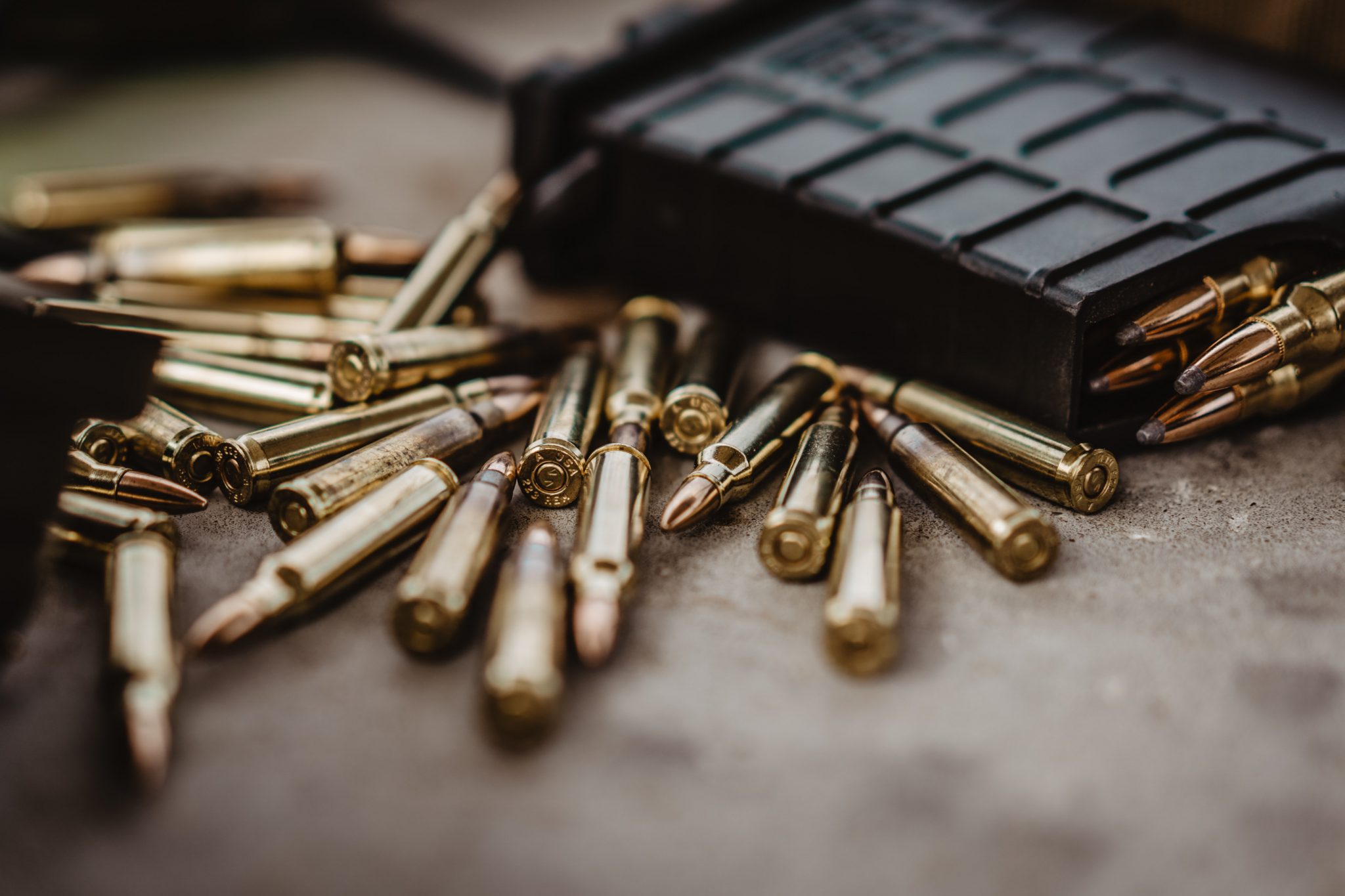
The sheer volume of iron and lead moving toward the front lines makes the prospect of a lasting peace unlikely. Industry data reveals that defense production in Russia has shifted to a three-shift, 24-hour cycle. You do not move a national economy to a total-war footing if you intend to honor a long-term ceasefire brokered by your primary geopolitical rival.
On the other side, the logistical tail for Western tanks and long-range systems is finally reaching a point of maturity. Ukraine is not looking for an exit ramp when it feels it is finally getting the tools it asked for a year ago. The tragedy of this specific ceasefire is that it arrived at the exact moment both sides felt they were just about to gain the upper hand.
The Problem of Grey Zone Warfare
Modern conflict does not adhere to the binary of "war" or "peace." Instead, we see a constant state of low-intensity friction. This includes:
- Electronic Warfare: Jammings and GPS spoofing that don't involve a single bullet but effectively blind the opponent.
- Sabotage: Hits on infrastructure far behind the contact line that the perpetrator can easily deny.
- Information Ops: Flooding social media with contradictory reports of ceasefire violations to make the truth unattainable for the average observer.
These methods allow for continued aggression while technically maintaining a "ceasefire" on paper. It is a loophole large enough to drive a division of T-90s through.
The Humanitarian Cost of False Hope
When a ceasefire is announced, civilians often return to areas near the front lines, believing the worst is over. This creates a secondary catastrophe when the fighting inevitably resumes. Local officials in the Donbas report that thousands of residents who fled earlier in the year have trickled back, only to find themselves trapped in "hot" zones where the shelling never truly stopped.
The psychological toll is immense. A broken promise of peace is often more damaging than a known state of war. It erodes the trust required for any future negotiations and makes the civilian population even more cynical toward international intervention. The US-brokered deal, by failing to provide actual security, has inadvertently placed more non-combatants in the line of fire.
Internal Politics and the Pressure to Fight
President Zelenskyy faces a domestic audience that is largely unwilling to trade territory for a hollow peace. Any hint of a permanent concession would be political suicide in Kyiv. Meanwhile, Putin has staked his entire legacy on a successful "operation." For him, a ceasefire that doesn't result in significant territorial gains or a neutral Ukraine is a defeat.
These internal pressures act as a centrifugal force, pulling both leaders away from the negotiating table. The ceasefire was never a solution; it was a breather.
The Logistics of the Next Phase
Watch the bridges. If you want to know when the ceasefire is officially dead, look at the engineering corps. Reports are surfacing of bridge-laying equipment moving toward key river crossings. This is not the equipment of a defensive force looking to hold a line; it is the equipment of a military preparing to cross one.
The US has limited options left. It can continue to pretend the ceasefire is holding while the body count rises, or it can pivot to a more realistic "armed peace" model that acknowledges the permanence of the conflict. The latter requires a level of honesty that is currently in short supply in diplomatic circles.
Failure by Design
The ceasefire was likely designed to fail from the start. By setting unrealistic parameters and failing to address the core territorial disputes, the brokers created a document that was destined to be ignored. It served a temporary political purpose for the West, allowing for a brief respite in the news cycle, but it did nothing to change the underlying calculus of the war.
As the expiration date nears, the rhetoric will sharpen. We will see more "emergency sessions" and "urgent calls" between world leaders. But the soldiers in the trenches are already checking their sights. They know what the diplomats refuse to admit: the pause is over, and the real war is about to begin again with renewed ferocity.
Stop looking at the statements from the State Department or the Kremlin. Look at the mud, the ammunition crates, and the direction the barrels are pointing. The era of the brokered ceasefire is dead, and the era of the long war has officially taken its place.