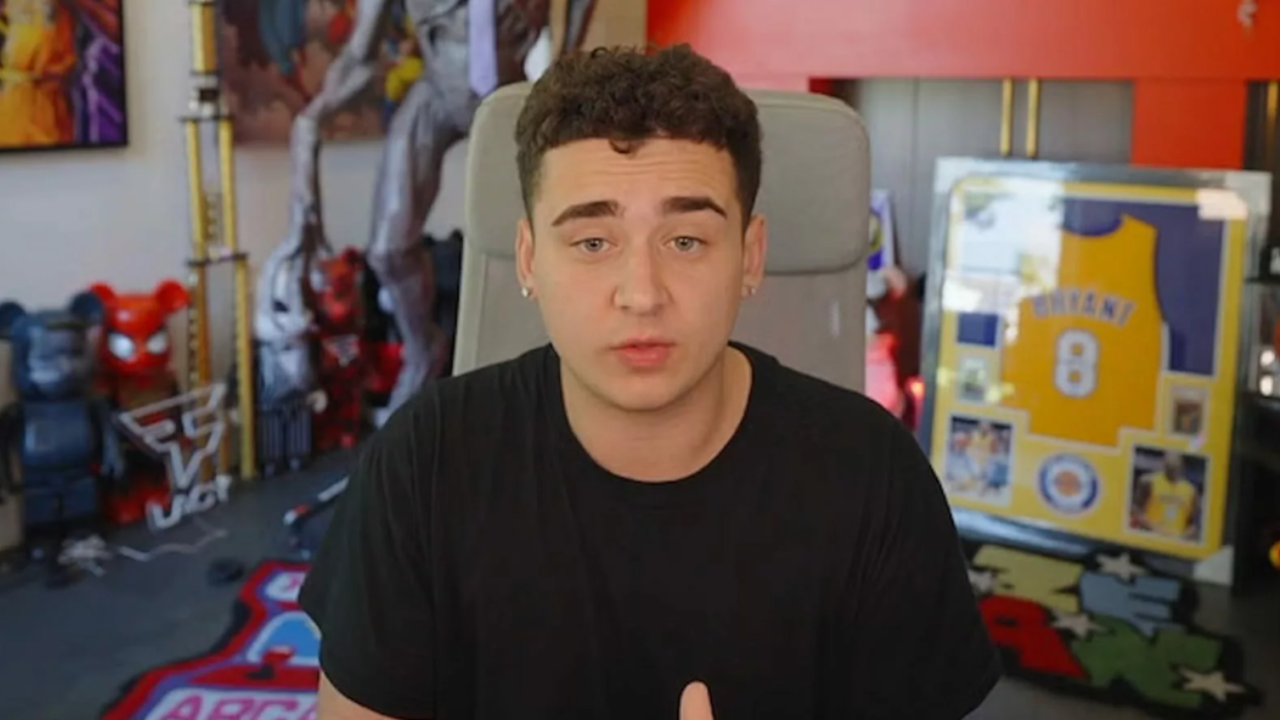
FaZe Lacy walked away from CORE exactly two months after the venture announced its grand entry into the creator economy. The sudden departure sent the usual shockwaves through social media, sparking a flurry of surface-level commentary about personality clashes and scheduling conflicts. But the reality behind this exit runs much deeper than simple creative differences. The swift disintegration of the partnership exposes a fundamental flaw in how modern influencer alliances are structured, funded, and executed.
The industry rushes to form new talent syndicates every month, yet these ventures consistently collapse under the weight of unrealistic financial expectations and misaligned incentives. When an elite streamer leaves a newly minted collective after a mere sixty days, it is never just about personal drama. It is a mathematical certainty driven by conflicting revenue models and the harsh reality of digital platform economics.
The Illusion of Collective Power
The launch of CORE followed a familiar playbook. A group of high-profile creators pool their audiences to build a centralized brand, promising exclusive collaborative content, shared merchandise lines, and unified brand deals. On paper, the compounding network effects look undeniable to outside investors and naive talent managers.
The strategy fails because it misinterprets the source of a streamer's actual value. High-earning content creators are independent corporations disguised as casual entertainers. They operate with high gross margins and rely on direct, unmediated relationships with their audiences through live chat, direct donations, and platform-specific subscription models.
When a creator like Lacy enters a collective, they are asked to dilute their individual identity to build equity in a secondary corporate entity. This structure demands an immediate sacrifice of time and attention. For an active streamer, time is a finite asset directly tied to daily broadcast hours. Every hour spent filming a high-production group video for a shared channel is an hour stolen from their personal stream, where their highest-margin revenue is generated.
The math rarely works out in favor of the collective. A top-tier streamer sacrificing their personal broadcast schedule to lift up a joint channel is effectively subsidizing their smaller peers. Within weeks, the top earner realizes they are burning their own capital to build an organization they do not fully control. The friction begins the moment the daily data reflects a dip in personal metrics for the sake of a collective dream.
The Cash Burn Trap
Most modern creator startups are fundamentally undercapitalized or over-reliant on speculative brand partnerships that take months to close. Management teams pitch creators on the promise of massive, non-endemic sponsorships from major automotive, beverage, or tech brands. These corporations move at a glacial pace compared to the internet culture they want to target.
A streaming group incurs massive operational costs from day one. Content houses, production crews, editors, managers, and legal teams require immediate, liquid cash. When the promised mega-deals delay or fail to materialize entirely, the financial burden shifts. The organization begins looking at the creators' personal streams as revenue sources to keep the overhead covered.
- Platform Fees: Twitch and YouTube take substantial cuts of direct user revenue.
- Agency Cuts: Management and internal org infrastructure take another percentage.
- Production Costs: High-end collaborative videos require significant upfront capital with delayed monetization loops.
When a creator analyzes their balance sheet after eight weeks and sees a net loss in personal revenue combined with an increasing demand on their labor, the decision to leave becomes purely mechanical. They do not need the organization; the organization needs them. The exit is a basic survival mechanism for the creator's personal balance sheet.
Equity Versus Liquid Capital
The fundamental disagreement in these short-lived ventures almost always centers on the difference between paper wealth and immediate cash flow. Founders of creator organizations often try to compensate talent with equity in the parent company rather than competitive salary guarantees or upfront signing bonuses.
This model works in traditional tech sectors where employees look toward a long-term acquisition or public offering. The creator economy moves too fast for five-year vesting schedules. A streamer's peak earning window can be incredibly volatile, influenced by algorithm shifts, platform platform-wars, and changing audience demographics.
Asking a creator to trade guaranteed daily streaming revenue for unmarketable equity in a two-month-old startup is a losing proposition.
The talent quickly realizes that equity in an organization that owns no proprietary technology and relies entirely on the fleeting attention spans of internet audiences has very little actual value. If the talent walks away, the brand value of the organization vanishes instantly. Therefore, the equity is only valuable if the creator continues to work for free to sustain it. It is a circular logic that sophisticated creators reject the moment the initial hype wears off.
The Content House Fallacy
The concept of physical aggregation remains a persistent obsession among digital media executives. The idea that putting four or five high-energy personalities under one roof will automatically yield a continuous stream of viral content is an outdated relic of early YouTube networks.
In reality, modern live streaming is an exhausting, isolating profession that requires hours of intense focus every day. Forcing creators into a shared physical space introduces immense operational friction.
- Network Congestion: Managing multiple high-bitrate broadcast setups under one roof requires industrial-grade infrastructure that residential spaces rarely support without massive investment.
- Creative Burnout: The pressure to constantly perform for each other’s cameras destroys the boundary between professional output and private recovery.
- Cross-Contamination of Brands: If one member of a collective involves themselves in a public controversy, every brand attached to the house suffers immediate reputational damage.
For an established entity within a major organization like FaZe Clan, participating in a secondary, localized content house setup creates an immediate conflict of interest. The institutional demands of their primary brand will always clash with the localized demands of a startup group. A creator cannot serve two masters when both demand exclusive access to their likeness, their streaming schedule, and their creative output.
The Architecture of a Sustainable Creator Venture
If the current model of rapid aggregation and quick exits is broken, the industry must look at why certain structures survive while others collapse in under ninety days. The ventures that endure do not attempt to colonize the creator’s primary channel or demand a share of their core subscription revenue.
Instead, sustainable partnerships operate like decentralized media conglomerates. The central organization acts strictly as a service provider, handling back-end logistics, legal defense, merchandise manufacturing, and outbound sales representation. The creator remains entirely autonomous, choosing when to opt into collective projects on a line-item basis.
When an organization attempts to build a rigid corporate hierarchy around volatile, independent entertainers, it invites immediate failure. The exit of high-profile talent from newly formed groups is not an anomaly; it is the predictable outcome of an industry that continues to prioritize speculative growth over basic financial sustainability. The creators who survive long-term are those who recognize when a partnership is draining their momentum and have the leverage to walk away before the damage becomes permanent.