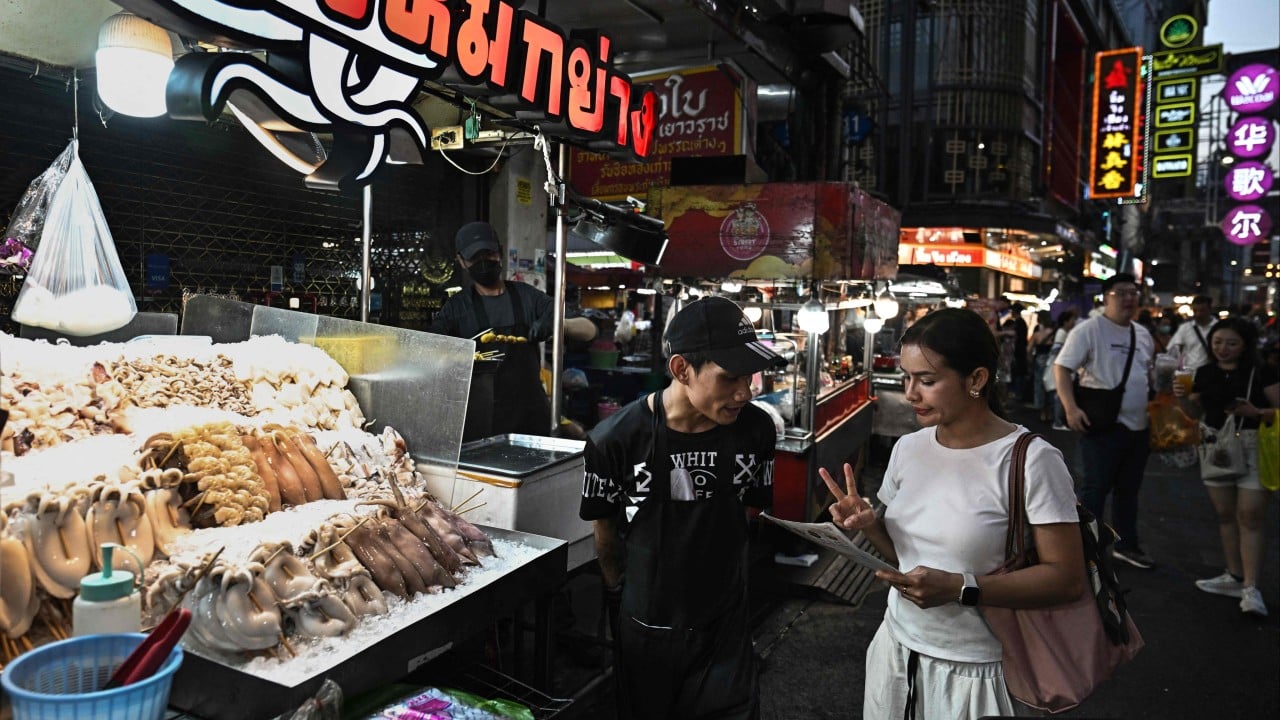
Bangkok is currently dismantling the very thing that made it the world’s street food capital. For decades, the smoke from charcoal grills and the clatter of metal woks defined the city’s sensory identity, providing cheap sustenance for the working class and a gritty magnet for international tourism. That era is ending. Under a series of aggressive urban renewal initiatives, the Bangkok Metropolitan Administration (BMA) is scrubbing the streets clean of vendors, citing pedestrian safety and public hygiene. This is not merely a cleanup; it is a fundamental shift in the city’s economic DNA that threatens to price out the poor and sterilize a culture that grew organically over a century.
The conflict pits a vision of a "modern" global city—full of wide, empty pavements and glass-fronted malls—against the chaotic, informal economy that actually keeps the city running. While officials argue that clearing the sidewalks is necessary for order, the move ignores the complex symbiotic relationship between street food and the city’s survival.
The Architecture of Erasure
The clearing of zones like Sukhumvit, Thonglor, and the historic center is often framed as a "return" of the pavement to the public. However, the public in Bangkok is not a monolith. For a motorcycle taxi driver or an office clerk earning minimum wage, a 40-baht bowl of noodles on the street is a necessity, not a lifestyle choice. When the BMA removes these stalls, they aren’t just clearing a path; they are effectively imposing a tax on the lowest earners, who must now find food in air-conditioned convenience stores or food courts at double the price.
This transformation follows a predictable pattern of gentrification. First come the "cleanliness" campaigns. Then come the "orderly" relocations to off-street markets. Finally, the original vendors vanish, unable to pay the higher rents or attract the foot traffic they had on their original corners. These new designated zones are frequently located in sterile alleys or the basements of buildings where the soul of the business—the visibility and the proximity to the commuter flow—is lost.
The Sanitation Myth and the Reality of Regulation
A central argument for the crackdown is hygiene. Critics and city officials point to grease being poured into sewers and the lack of running water at street stalls. These are valid concerns, but they are also solvable through infrastructure rather than eviction. Cities like Singapore didn't just banish their street food; they integrated it into the city's plumbing and health inspections through hawker centers. Bangkok’s approach has been far more blunt.
Instead of investing in small-scale grease traps or mobile water filtration systems for vendors, the city has opted for removal. This is a policy of convenience for the administration, not a solution for public health. By forcing vendors into the shadows or into unregulated "private" spaces, the BMA actually loses its ability to monitor food safety. When a vendor is licensed and anchored to a specific spot, they have a vested interest in maintaining a reputation for quality. When they are constantly running from inspectors, quality is the first thing to suffer.
The Invisible Cost to the Tourism Machine
Thailand’s tourism board spends millions of dollars a year featuring images of steaming bowls of Tom Yum and charismatic grandmothers frying pad thai to lure visitors. There is a glaring hypocrisy in using street food as a primary marketing tool while simultaneously criminalizing the people who make it. Tourists do not fly twelve hours to eat at a global fast-food chain or a sanitized shopping mall basement. They come for the heat, the noise, and the authenticity of the street.
As the BMA "cleans" the city, it is inadvertently devaluing the Bangkok brand. We are seeing the rise of a "Disneyfied" version of Thai culture—highly curated, overpriced, and stripped of its grit. In areas like Yaowarat (Chinatown), the government has tried to strike a balance, but even there, the pressure from rising land prices and new mass-transit developments is squeezing the life out of the smaller, family-run operations that have existed for generations.
Follow the Real Estate Money
To understand why the crackdown has accelerated, one must look at the skyrocketing value of Bangkok real estate. A street food stall in front of a multi-million dollar luxury condominium is seen by developers as an eyesore that lowers property value. There is immense pressure from the private sector to clear the views and the walkways around high-end developments.
The sidewalk, which should be a democratic space, is being privatized by proxy. When the stalls are gone, the "public" space is quickly filled by valet parking stands, luxury hotel planters, or mall entrances. The vendor is a barrier to a specific type of high-end urban aesthetic that the BMA is desperate to project to foreign investors.
The Failure of Relocation
The BMA frequently points to the creation of "Hawker Centers" as the solution to the crackdown. In theory, this sounds like the Singapore model. In practice, it has been a disaster for many. Most of these government-sanctioned markets are poorly ventilated, located away from the natural flow of pedestrians, and charge rents that eat into the razor-thin margins of a street cook.
A vendor depends on the "grab-and-go" nature of the sidewalk. A worker coming off the BTS Skytrain wants to grab a skewer of grilled pork on their way home. They will not detour two blocks into a sterile, concrete building to find that same vendor. When foot traffic drops by 50%, the business dies. This isn't just about losing a job; it’s about the collapse of an informal credit system where vendors and regular customers support one another through lean times.
A City Without a Middle Ground
The push for a "clean" Bangkok is creating a city of extremes. On one side, you have the ultra-luxury malls and fine-dining establishments. On the other, you have the hidden, struggling back-alleys. The middle ground—the vibrant, accessible street life that served as the city’s social glue—is being bleached out.
If the city continues on this path, Bangkok will eventually resemble any other generic global hub. The unique "Thainess" that officials claim to protect will be relegated to museums and expensive "concept" restaurants. The real tragedy is that this is a choice. There are ways to regulate, to clean, and to organize without destroying. But that requires a level of nuance and investment that the current administration seems unwilling to provide.
The sidewalk belongs to the people, but the definition of "people" is being narrowed to include only those who can afford the price of entry.
The Path Forward
Protecting the culture requires a radical shift in how the city views its vendors. They are not obstacles; they are micro-entrepreneurs who provide a vital service.
- Permanent Infrastructure: Install dedicated water and waste lines in high-density vendor areas instead of just painting "no vending" lines on the concrete.
- Graduated Licensing: Create a clear, transparent permit system that rewards vendors for following hygiene standards with permanent, protected spots.
- Designated Street Food Districts: Rather than scattered stalls, create blocks where the sidewalk is intentionally widened to accommodate both pedestrians and vendors, similar to the successful "pedestrianized" zones in other world capitals.
- Direct Representation: Include vendor unions in the urban planning process so that relocation efforts are based on economic reality, not just architectural renderings.
Without these steps, the "Kitchen of the World" will soon find its fires extinguished by the very city that claims to be its champion. The street food of Bangkok is not a problem to be solved; it is a legacy to be managed. Stop treating the people who feed the city like criminals. Provide them with the tools to modernize on their own terms before the last charcoal grill is hauled away.