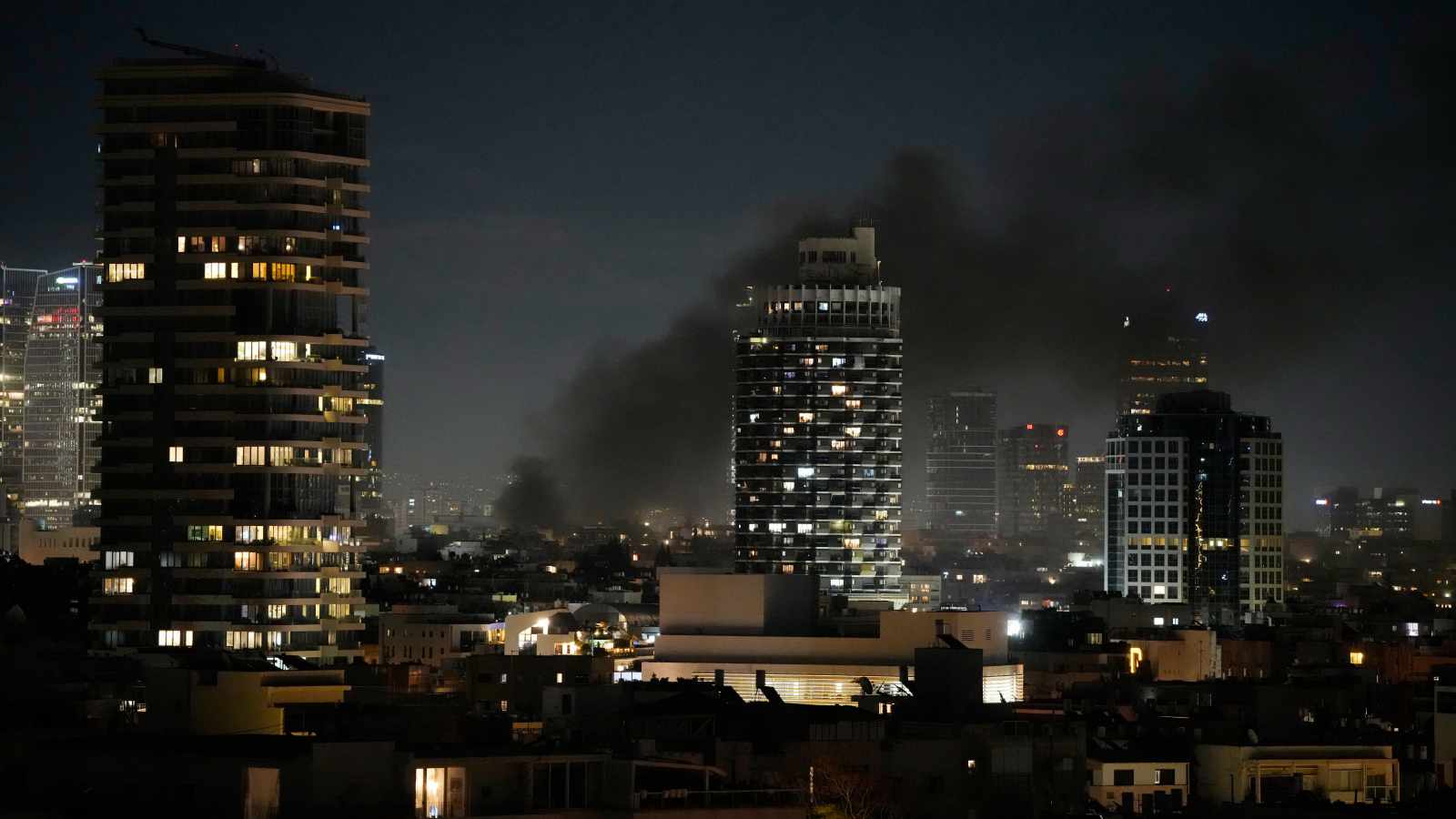
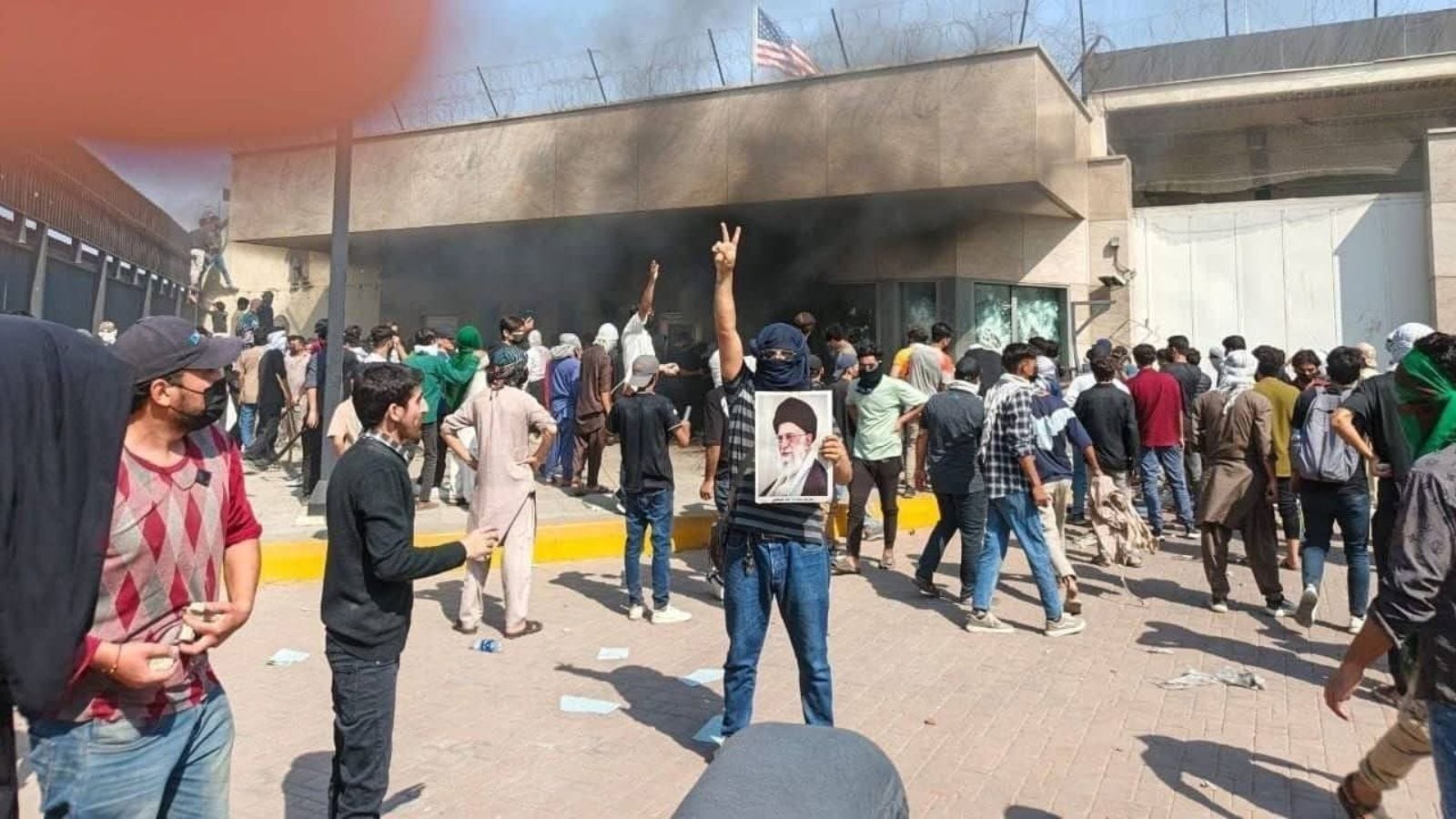
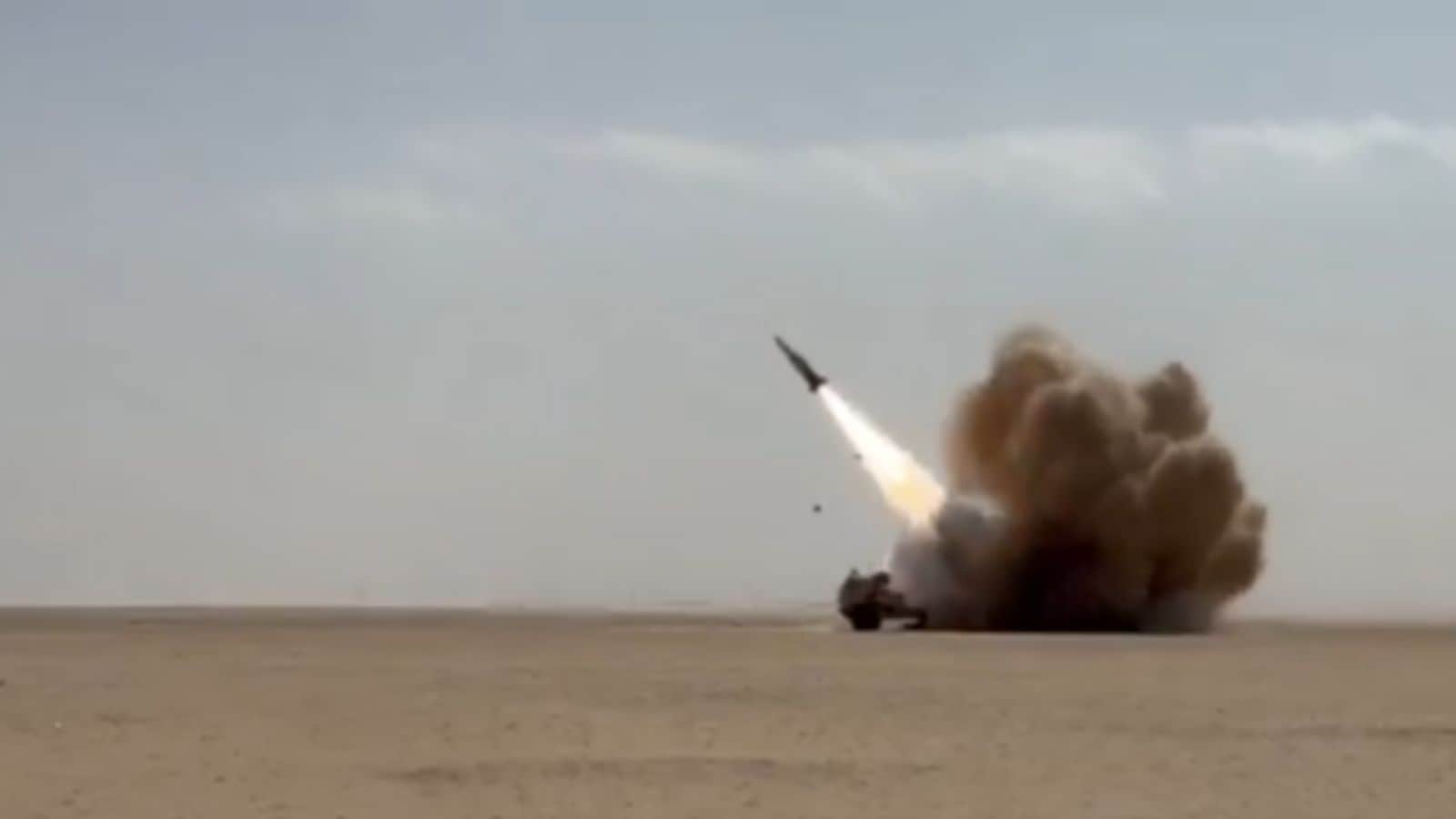
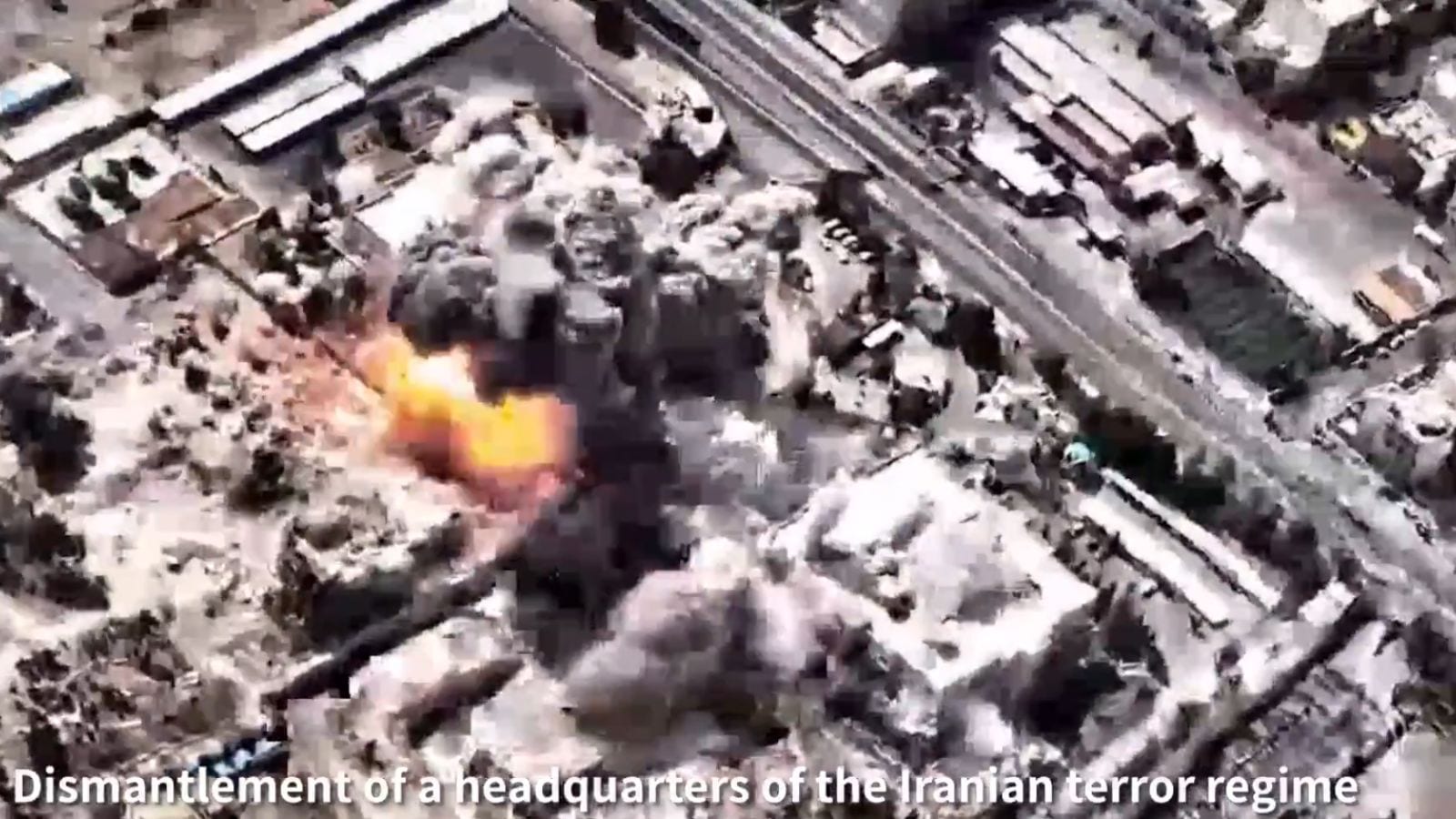
The standard advisory for foreign nationals in high-tension zones is a masterpiece of cowardice. When "West Asia"—a sterile term for a region currently undergoing a tectonic shift in power—starts to smoke, governments release templated warnings. Stay indoors. Register with the embassy. Keep your papers ready.
This isn't advice. It’s a liability shield. Don't miss our previous post on this related article.
The recent directives regarding visa status and residency for foreign nationals in the eye of the storm are being framed as "precautionary measures." In reality, they are the first cracks in the facade of global mobility. If you are waiting for a government notification to tell you when it’s time to move, you’ve already lost the lead time that matters.
The Myth of the "Safe Corridor"
Most people believe that as long as their visa is valid, the state has a moral obligation to facilitate their exit or protect their stay. This is a fairy tale. I have watched expatriates in three different conflict zones wait for "official" word, only to find that when the word finally comes, the airports are already choked and the local currency has plummeted. If you want more about the background of this, NPR provides an excellent breakdown.
Bureaucracy moves at the speed of paper; kinetic conflict moves at the speed of sound. An advisory telling you to "monitor local media" is essentially saying, "We have no idea what’s happening, and we don't want to be sued if you get stuck."
The "lazy consensus" here is that staying compliant with visa regulations keeps you safe. It doesn't. It just ensures you are documented when things go south. Real safety in a volatile region isn't found in a stamped passport; it’s found in liquidity and physical mobility.
Your Visa is a Tether, Not a Shield
Foreign nationals are often obsessed with the legality of their stay during a crisis. They worry about overstaying a visa or the technicalities of a work permit while the regional infrastructure is vibrating with tension. This is misplaced energy.
Governments use visa status as a demographic valve. When tensions rise, those "advisories" regarding stay extensions are often precursors to a tightening of the border. By the time a "grace period" for foreign nationals is announced, the logistics of actually leaving have usually tripled in cost and difficulty.
- The Compliance Trap: Following every minor visa directive during a buildup to conflict often pins you to a specific location (the capital or a government hub) which is exactly where you don't want to be if a regional escalation occurs.
- The Digital Dependency: Most modern visa systems are cloud-based. In a real West Asia escalation, the first thing to go isn't the electricity—it’s the international fiber optics. If your right to move is tied to a database you can’t reach, you are effectively stateless.
Stop Asking "Is it Safe?" and Start Asking "Is it Liquid?"
People also ask: Should I renew my residency permit now or wait for the situation to stabilize? This is the wrong question. If you are asking it, you are viewing your residency as a permanent fixture. In a conflict-adjacent zone, residency is a temporary lease on a volatile asset.
Brutal honesty: If the advisory tells you to "be vigilant," the market has already priced in the risk. Your apartment is worth less. Your local bank account is a risk. Your visa is a suggestion.
The Industry Insider’s Checklist for Geopolitical Friction:
- Hard Currency over Digital Balances: In any West Asia flare-up, the "seamless" banking experience ends. If you don't have physical USD or EUR, you don't have a way out.
- Dual-Route Logistics: If your plan depends on the primary international airport, you don't have a plan. You have a hope.
- Visa Agnosticism: Have a secondary visa for a neighboring, neutral country ready before the advisory is issued. Once the advisory is live, the queues at those embassies will be miles long.
The Counter-Intuitive Truth About "Embassy Support"
We are taught to view our embassies as sanctuaries. In a mass-scale geopolitical event, an embassy is a bottleneck. I’ve seen thousands of people huddled outside gates because they waited for the "official" advisory to take action.
The embassy’s primary job is to protect the interests of the sending state, not the individual convenience of every digital nomad or mid-level manager. When they tell you to "register your presence," they are counting heads for a manifest they hope they never have to use.
If you want to survive a regional shift, you must act when the advisory is a "suggestion," not when it’s a "directive." By the time the government tells you to leave, they are already struggling to figure out how to get their own essential staff out.
The Architecture of a Managed Exit
Forget the "holistic" view of regional peace. Look at the logistics. Look at the insurance premiums for commercial flights. When those premiums spike, the airlines will pull out long before the diplomatic corps admits there's a problem.
The current advice being circulated—to keep track of visa validity and stay in touch with local authorities—is a sedative. It’s designed to prevent mass panic, which is the government’s biggest fear. Your biggest fear should be being the last person trying to buy a seat on the last flight out.
Stop Reading the News; Read the Logistics
The "status quo" is to wait for a clear signal. But in geopolitics, a clear signal is a loud explosion.
- Watch the Cargo: If the shipping lanes are being diverted, the consumer-facing travel advisories are already three weeks behind.
- Watch the Insurance: If Lloyd's of London won't cover a hull, you shouldn't be in the seat.
- Watch the Visas of the Elite: When the local power brokers start sending their families to London or Dubai "for a vacation," that is your cue.
The official word is for the masses. The data is for the prepared.
If you are a foreign national in a zone of "heightened tension," the most dangerous thing you can do is follow the rules to the letter while ignoring the reality on the ground. Compliance does not equal clearance.
Pack the bag. Convert the cash. Secure the secondary exit. Do it while the advisory is still using "polite" language. Because once the language becomes "urgent," the exits are already closed.
Go to the airport now and look at the boards. Not to leave, but to see how many flights are being "rescheduled." That is your real advisory. Everything else is just ink on a page designed to keep you calm while the room fills with smoke.