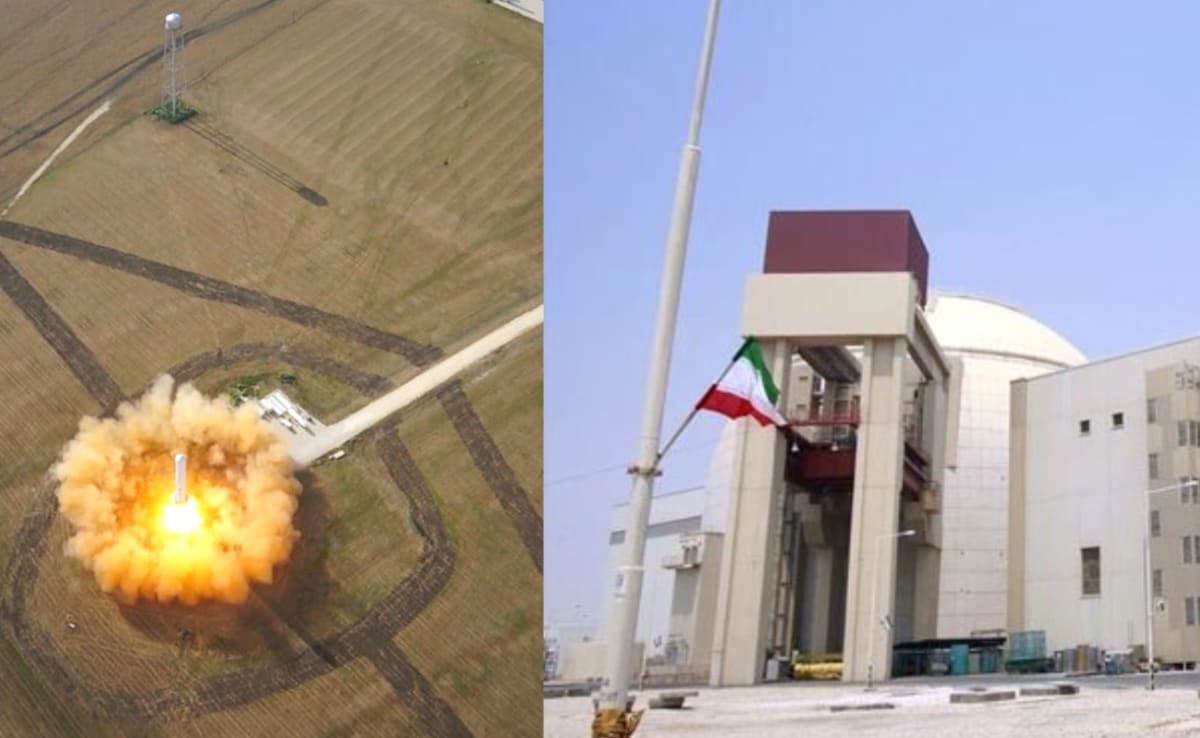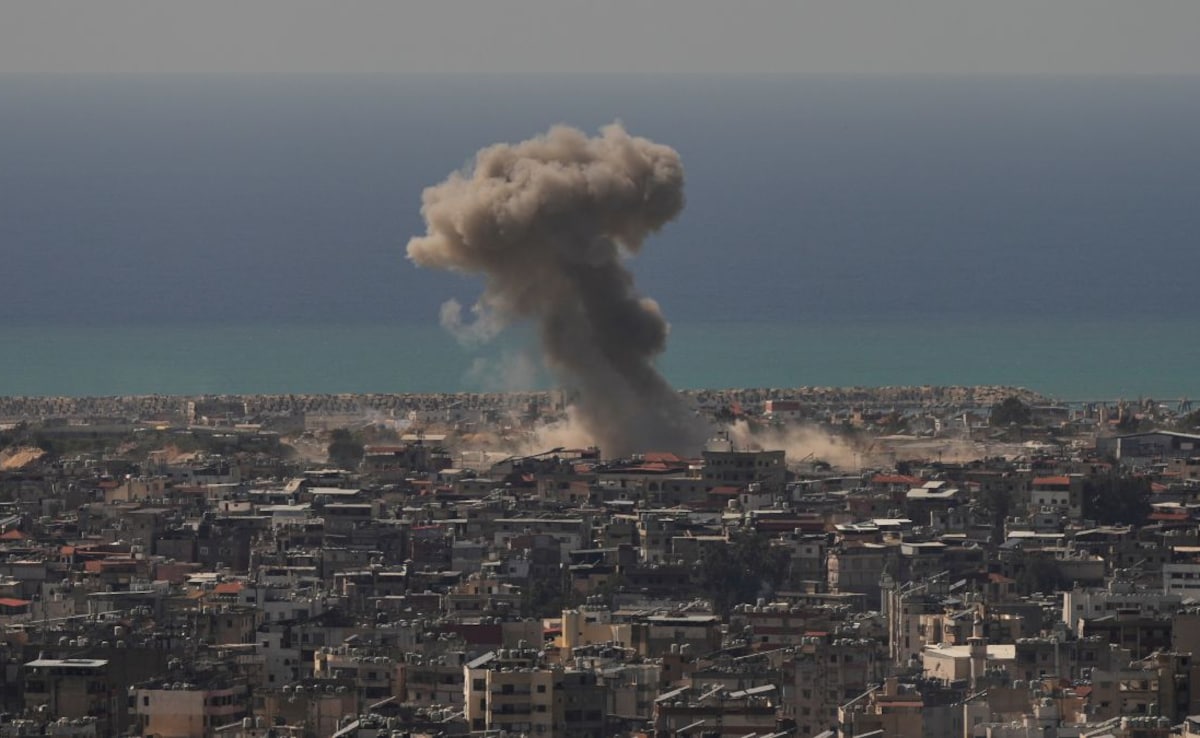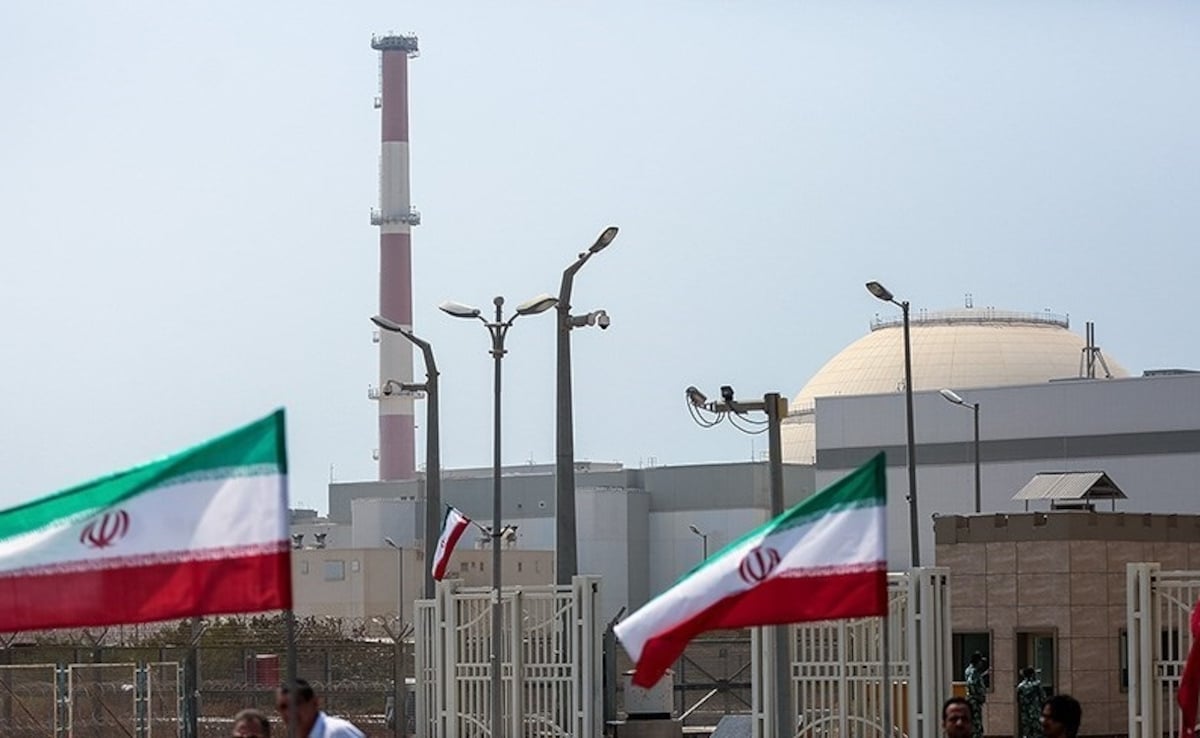
The headlines are screaming about a "mass exodus" of Russian technicians from the Bushehr nuclear plant following Israeli strikes. The narrative is tidy. Russia is scared. Iran is isolated. The nuclear program is crumbling under the weight of geopolitical pressure.
It is also entirely wrong.
If you believe Russia is packing its bags because of a few kinetic warnings, you don’t understand how Rosatom operates, and you certainly don’t understand the cold calculus of the Kremlin. What the mainstream media describes as a "pullout" is actually a masterclass in strategic pivot and contract renegotiation. Russia isn't fleeing; it’s repositioning its leverage while letting the West do its PR work for them.
The Lazy Consensus of Fear
The prevailing argument suggests that Russian engineers are terrified for their lives. This ignores the reality of working for a state-owned nuclear giant. These people aren't digital nomads working from a beach in Bali. They are assets.
When Rosatom reduces headcount at a site like Bushehr, it’s rarely about the safety of the staff. It’s about the money. Iran is notoriously difficult to deal with regarding payments. By framing a scheduled or tactical reduction of staff as a "security withdrawal," Russia achieves three things simultaneously:
- It signals to Israel and the US that it is "listening" to their concerns (de-escalation theater).
- It pressures Tehran to pay up or provide better security guarantees.
- It allows for the rotation of specialized labor to more profitable projects in Egypt or Turkey.
I have seen this script played out in energy corridors from the Arctic to the Levant. A "withdrawal" is often just a high-stakes audit disguised as a retreat.
The Bushehr Bottleneck is Feature Not a Bug
People ask: "Is Iran's nuclear timeline delayed because of this?"
You’re asking the wrong question. The delay isn't a failure of the project; the delay is the product. Russia has no interest in a fully autonomous, nuclear-armed Iran on its southern flank. They want a permanent construction site.
A finished reactor means a sovereign Iran with independent energy or weaponization capabilities. A perpetual construction project means a dependent Iran that must continually vote with Russia at the UN and provide drone technology in exchange for technical "maintenance."
Every time a headline says Russia is "stalling" or "pulling out," they are actually describing the maintenance of the status quo. Russia provides exactly enough expertise to keep the lights flickering, but never enough to let Iran finish the job.
Dismantling the Ghost of Stuxnet and Kinetic Strikes
The media loves to connect the dots between reported strikes and staff movements. It makes for a great thriller. But look at the technical reality of the Bushehr-1 and Bushehr-2 projects.
Nuclear plants are the most hardened structures on earth. A strike that actually threatens the core or the primary containment of a VVER-1000 reactor would be an act of total war that neither Israel nor the US is currently prepared to trigger.
The "staff" being pulled out aren't the primary physicists. They are the secondary contractors, the logistical support, and the mid-level engineers whose contracts were likely expiring anyway. By rebranding a bureaucratic rotation as a "response to strikes," Russia buys massive diplomatic capital at zero cost.
The Math of Russian Nuclear Dominance
Let’s look at the numbers the pundits ignore. Rosatom currently accounts for about 70% of the global export market for nuclear construction. They are currently building units in:
- Turkey (Akkuyu)
- Egypt (El Dabaa)
- Hungary (Paks II)
- India (Kudankulam)
To think they would jeopardize a multibillion-dollar, multi-decade relationship with the "Global South" because of regional skirmishes is a fundamental misunderstanding of their business model. They aren't leaving Iran. They are just making Iran wait in line.
In any high-hazard industrial environment, the most dangerous moment is not the strike itself—it's the period of neglect that follows. If Russia truly pulled out, the risk of a meltdown or a radiological incident would skyrocket. The IAEA knows this. The Kremlin knows this. They are using the threat of incompetence as a weapon.
The Brutal Reality of "Expert" Analysis
Most analysts covering this have never set foot in a VVER turbine hall. They treat nuclear reactors like Legos that can be abandoned and picked up later.
In reality, the Russian presence at Bushehr is a leash.
- Fuel Supply: Russia provides the low-enriched uranium.
- Waste Management: Russia takes back the spent fuel (preventing plutonium extraction).
- Control Systems: The proprietary software is Russian.
If the Russians leave, the plant becomes a multi-billion dollar paperweight. Tehran knows this. If the Russians were actually "pulling out," you wouldn't see news reports; you would see a panicked diplomatic mission from Tehran to Moscow with an open checkbook. We aren't seeing that. We are seeing a managed narrative.
Stop Falling for the "Flight to Safety" Narrative
The next time you see a report about Russia "abandoning" a strategic asset, check the price of oil and the status of the Russian-Iranian defense treaty.
The movement of 30 or 50 technicians is a rounding error. It is a tactical shimmy designed to keep the West guessing and the Iranians desperate. The project isn't dying; it's being throttled.
Russia is the landlord, Iran is the tenant who is behind on rent, and the reported strikes are just the noise from the neighbors that the landlord uses as an excuse to change the locks.
Don't mistake a landlord's power play for a coward's retreat.
The reactor isn't empty. The door is just locked, and Moscow has the only key.