The institutional arrogance is going to get people killed.
Every time a high-consequence pathogen makes headlines, the same choir of public health officials takes to the podium to sing the same lullaby: We are ready. We learned our lessons from SARS. Our containment protocols are world-class.
It is a comforting bedtime story. It is also a lie.
The conventional media consensus surrounding Canada’s biosecurity framework is built on a dangerous premise: that having a plan on paper is the same thing as having operational capacity on the ground. We look at our Tier 1 isolation facilities, our stockpiles of personal protective equipment, and our centralized healthcare architecture, and we mistake bureaucratic box-checking for genuine resilience.
But a virus does not care about your committee meetings. It does not read your briefing memos.
When you strip away the comforting rhetoric, the reality is stark. Canada’s healthcare system is already operating at over 100% capacity on a random Tuesday in November just managing standard influenza and seasonal pressures. The belief that this brittle, short-staffed system can suddenly absorb a surge of highly infectious, lethal pathogens without collapsing is not just optimistic—it is mathematically impossible.
The Illusion of the Tiered Isolation System
The bedrock of the official "we are ready" argument relies on Canada's specialized isolation units. The country boasts designated centers like the Toronto Western Hospital or the Health Sciences Centre in Winnipeg, equipped with negative-pressure rooms, sophisticated air filtration, and highly trained staff.
Here is what the official reports leave out: these facilities are designed for a trickle, not a flood.
The Reality Check: A Tier 1 containment unit is an exquisite boutique operation. It functions perfectly when treating one, perhaps two patients simultaneously. It falls apart the moment you hit patient number five.
True bio-containment requires an astronomical ratio of staff to patients. During the 2014 Ebola outbreak in West Africa, and subsequent treatments of evacuated patients in the United States and Europe, data showed that caring for a single hemorrhagic fever patient required up to 20 to 30 trained staff members per day. This includes nurses, physicians, laboratory technicians, and waste management specialists working in grueling, sweat-inducing shifts limited by the suffocating reality of protective gear.
Where are these spare bodies coming from in Canada today?
Walk into any major emergency room in Vancouver, Montreal, or Halifax. You will find patients lining the hallways on stretchers. You will find nursing staff working double shifts, burnt out, and quitting the profession in record numbers. We do not have a reserve army of medical professionals sitting on a bench waiting for a biosecurity whistle to blow. To staff an isolation ward correctly during a localized outbreak, a hospital must cannibalize its intensive care units and emergency departments, triggering an immediate systemic crisis elsewhere.
The Logistics Nightmare Nobody Wants to Talk About
Public health officials love to talk about clinical protocols. They rarely talk about plumbing.
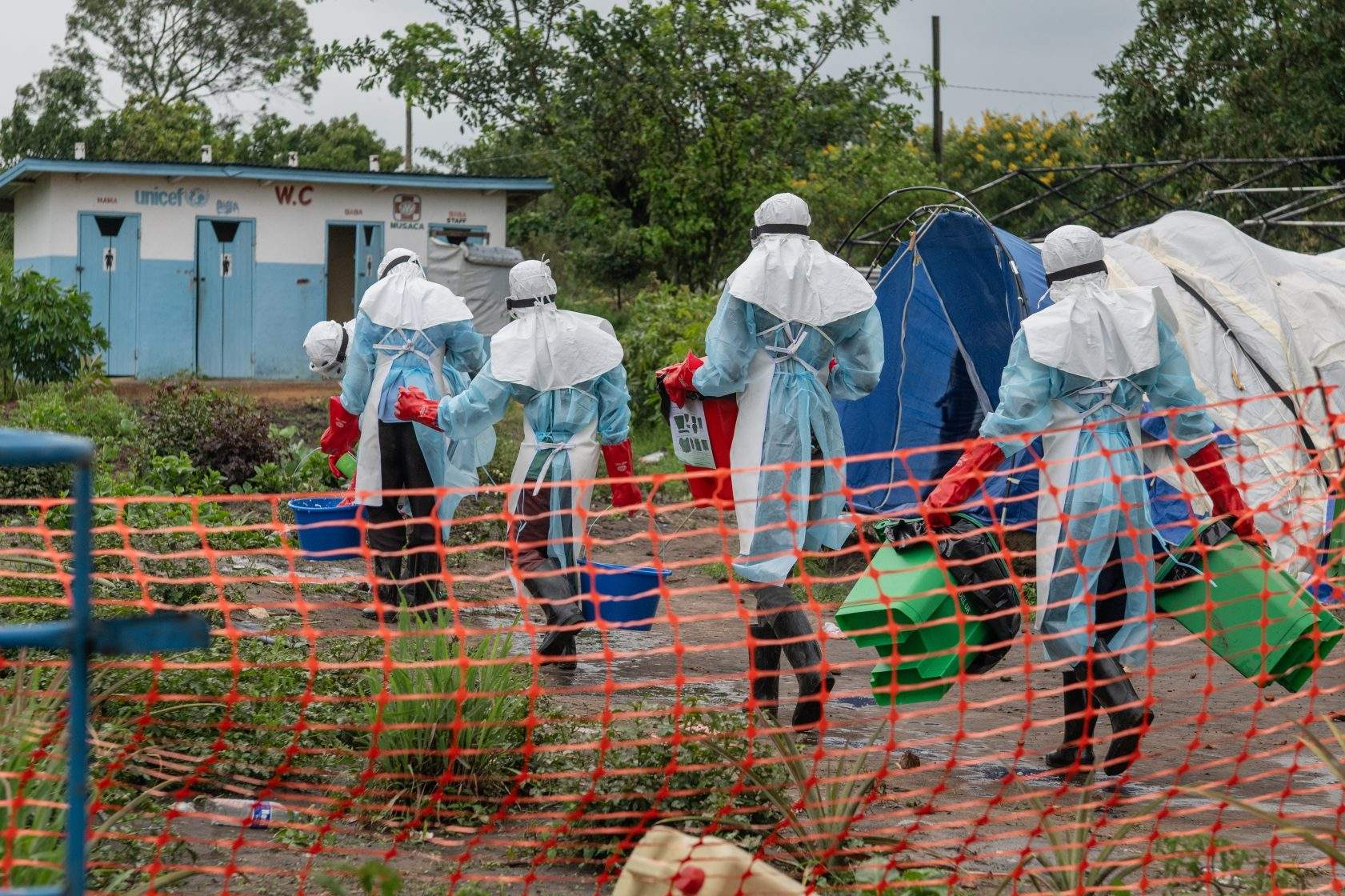
Let’s look at a brutal, unglamorous reality of treating a pathogen like Ebola: waste management. A patient in the advanced stages of a viral hemorrhagic fever produces up to nine liters of highly infectious liquid waste—stool, vomit, and blood—every single day.
In a standard Canadian hospital, waste goes down the drain or into standard biohazard bags. But high-consequence pathogens change the rules entirely. Under strict biosafety guidelines, this waste cannot just be flushed into the municipal sewer system without treatment, nor can it be tossed into a standard incinerator truck. It must be autoclaved—autoclaved on-site, using specialized, heavy-duty steam sterilization equipment that many regional hospitals simply do not possess or lack the trained personnel to operate under high-stress conditions.
[Patient Influx]
       │
       ▼
[9L of Infectious Waste/Day]
       │
       ▼
[On-Site Autoclave Bottleneck] ──► [System Backlog] ──► [Protocol Failure]
During previous viral scares, regional hospitals across North America discovered that commercial waste disposal companies flatly refused to haul away secondary waste from suspected hemorrhagic fever patients. The drivers refused to touch it. The municipal treatment plants threatened to shut off the hospital's intake.
When a system relies on third-party commercial contractors who can invoke right-to-refuse-unsafe-work clauses, your beautiful, centralized pandemic plan is not a plan at all. It is a wish list.
Dismantling the Public Health Myths
People often look at past close calls and assume the system worked perfectly. Let's correct the record on the questions people are actually asking.
Do Canada's border screening measures keep outbreaks out?
No. Border screening is public health theater designed to make travelers feel safe, not to stop a virus. Pathogens have incubation periods. A person can catch a flight out of an endemic zone, pass through thermal scanners at Pearson International Airport with a perfectly normal body temperature, clear customs, and not show a single symptom for another ten days. By the time they spike a fever, they have already taken the transit system, gone to work, and visited a local clinic. Border screening looks backward; viruses move forward.
Can regional hospitals handle a suspect case until transfer?
The official line is that any community hospital can isolate a suspect patient until they can be moved to a specialized center. This ignores human nature and administrative friction. In reality, the moment a patient presenting with symptoms and a relevant travel history walks into a rural or suburban emergency department, panic sets in. Staff scramble for PPE that may be locked away or expired. The transfer process involves hours of bureaucratic negotiation between regional health authorities, paramedics, and the receiving hospital. During those hours of hesitation, breaches happen.
The Deadly Flaw of Centralization
Canada’s healthcare architecture is intensely centralized, run by massive provincial health authorities. The theory is that centralization allows for efficient resource allocation during a crisis. The practice is that it creates a single point of failure and a culture of paralyzing risk-aversion.
I have seen health authorities spend months debating the wording of a single safety checklist while frontline clinics operated with zero guidance. In a fast-moving outbreak, top-down bureaucracy slows response times to a crawl. Decisions that need to be made in minutes by local medical directors are instead kicked up to provincial committees, deputy ministers, and communications teams terrified of a political scandal.
Furthermore, our supply chains are terrifyingly lean. The "just-in-time" inventory model, borrowed from automotive manufacturing to save money in healthcare budgets, means hospitals rarely hold more than a few weeks' worth of critical supplies. If a global outbreak triggers an export ban on specific reagents, filters, or specialized protective gowns, Canada finds itself at the back of the line, begging international suppliers for scraps.
How to Actually Prepare for the Next Threat
If we want to stop playing make-believe, we have to abandon the comforting press releases and execute structural changes that hurt.
- Build Permanent, Redundant Staffing Reserves: Stop treating healthcare staffing as a line item to be optimized for maximum efficiency. We need a funded, permanently maintained reserve corps of infectious disease nurses and respiratory therapists who are paid to train for high-consequence outbreaks and can be deployed instantly without stripping existing ICUs.
- Decentralize Waste and Decontamination Capabilities: Every regional hospital hub must be legally mandated and funded to maintain self-contained, high-capacity sterilization infrastructure. We cannot rely on municipal sewers or private trucking companies when the stakes are existential.
- Run Unannounced, Stress-Test Drills: Announced audits are useless. Administrators clean up the wards, stock the shelves, and put on a show. We need unannounced, simulated patient presentations involving high-consequence pathogen scenarios at 2:00 AM on a Sunday in average community hospitals. That is how you find the holes in the boat before you are out at sea.
The current consensus that Canada is ready for a highly lethal, disruptive outbreak is a product of institutional vanity. We are relying on the dedication of exhausted frontline workers to patch over structural chasms in our public health infrastructure.
Dedication is not a shield. Bravery is not a bio-containment strategy. If we do not actively fund, build, and stress-test real redundancy into our medical system today, the next major outbreak will not just test our readiness—it will expose our complete lack of it.