The game of cat and mouse in the Persian Gulf just got a lot more expensive. Washington isn't just watching the horizon anymore; it's actively pulling the plug on the bank accounts and engines that keep Iranian oil moving. On Friday, the U.S. Treasury Department dropped a massive hammer on a major Chinese refinery and a sprawling network of 40 shipping firms. This isn't some routine paperwork filing. It's a direct shot at the "shadow fleet" that keeps Tehran’s economy on life support while the region burns.
If you’ve noticed gas prices creeping up or seen headlines about a "global blockade," this is the engine room of that crisis. The U.S. is betting that by choking off the buyers, they can stop the war without firing more missiles. But when your biggest buyer is a Chinese industrial giant, things get messy fast.
The Teapot Refinery Taking the Heat
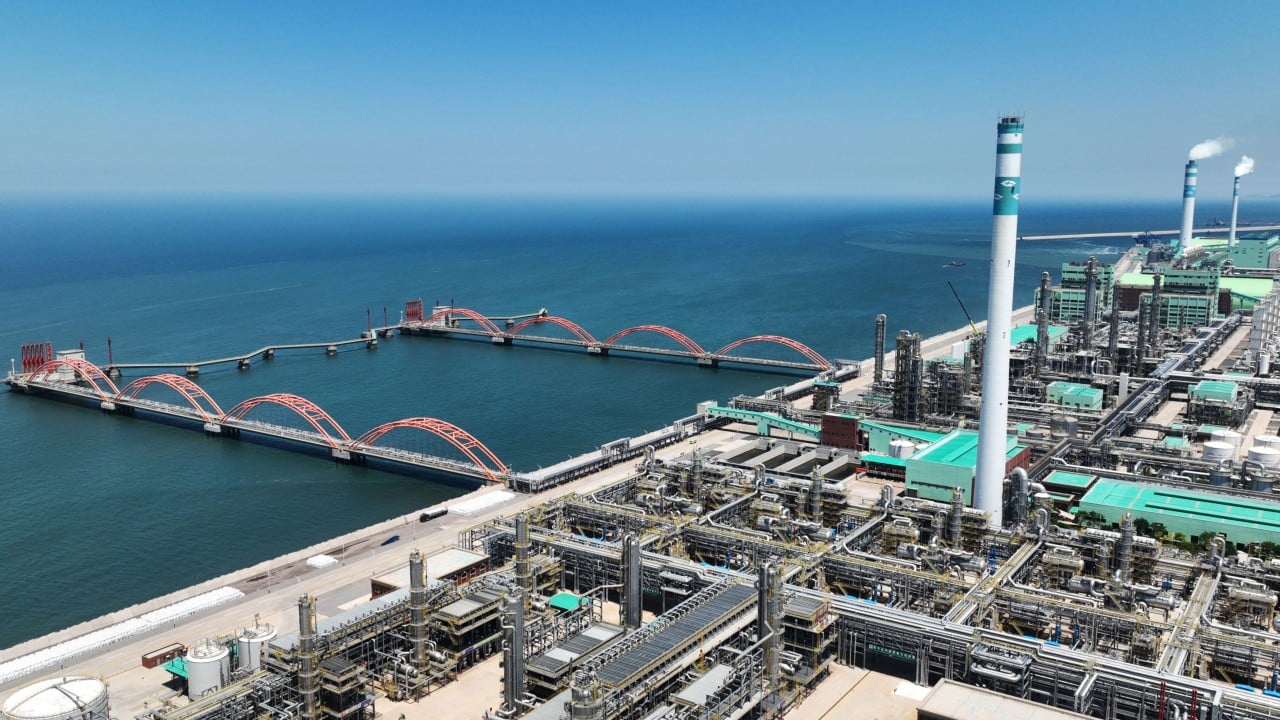
At the center of this storm is Hengli Petrochemical, specifically its massive facility in Dalian. In the industry, we call these "teapot" refineries—independent, nimble, and historically very comfortable playing in the gray zones of international law. Hengli isn't some small-time operation, though. It processes about 400,000 barrels of crude a day. For years, it's been a primary destination for Iranian oil that "officially" doesn't exist.
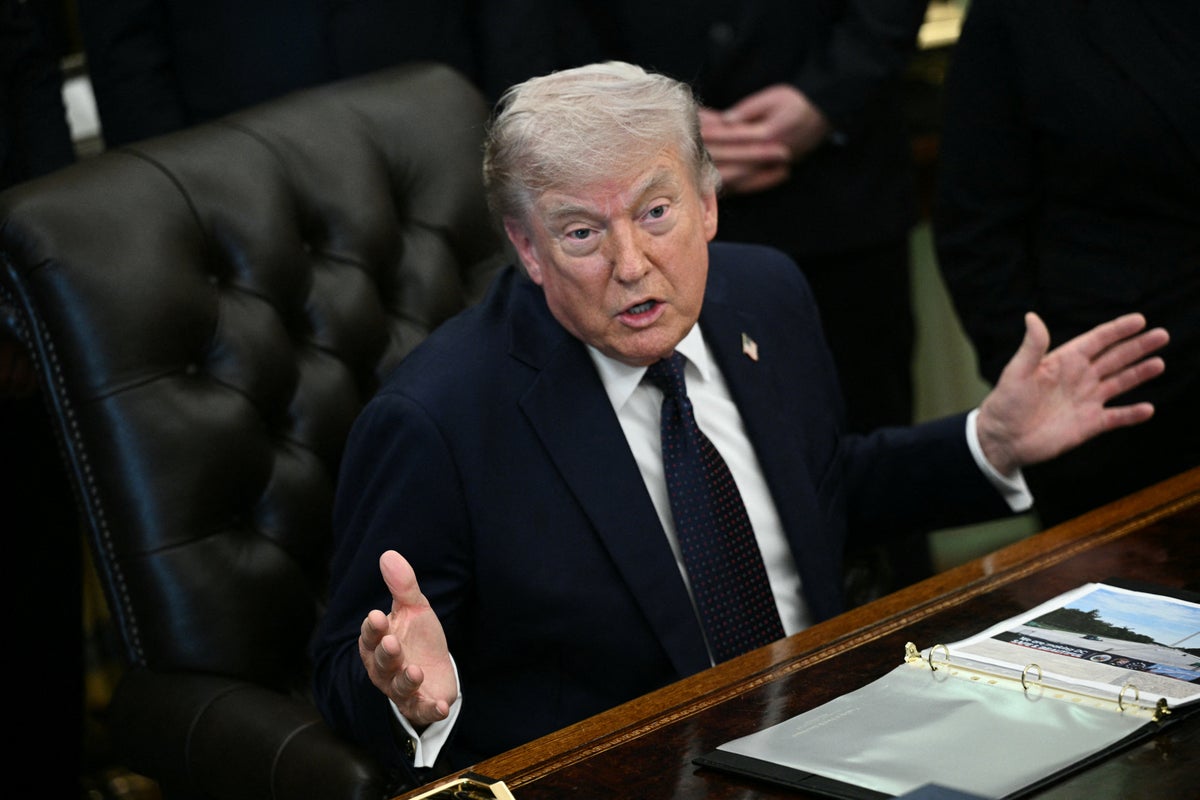
The Treasury Department says Hengli has been funneling hundreds of millions of dollars back to the Iranian military since 2023. They aren't just buying oil; they're effectively funding the very missiles and proxy groups the U.S. is trying to neutralize. By slapping secondary sanctions on a player this big, the Trump administration is telling every other independent refiner in China that the era of "looking the other way" is over.
[Image of an oil refinery layout]
Chasing Ghosts in the Shadow Fleet
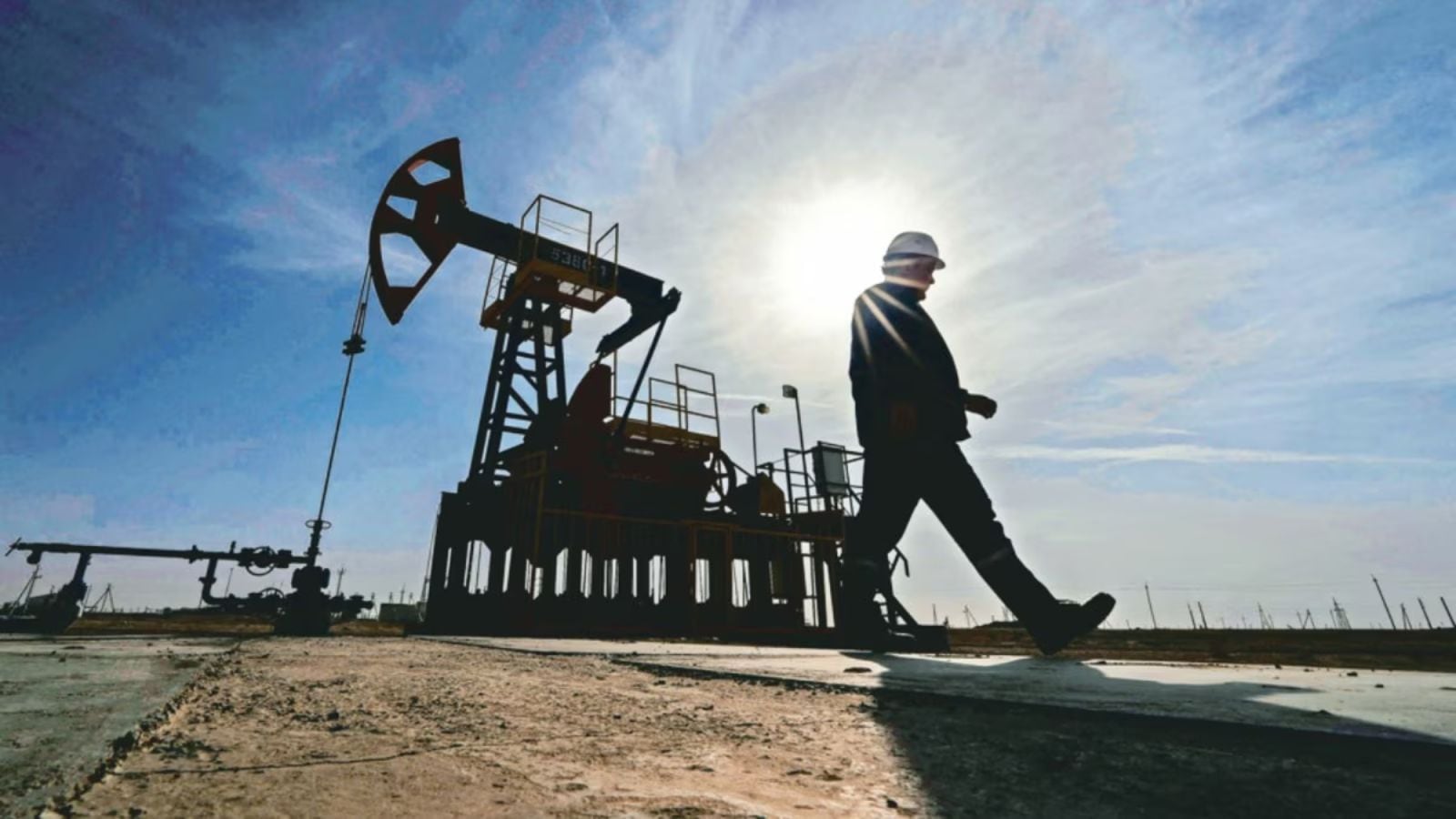
You can't move millions of barrels of oil without ships, and Iran has become a master at using "ghost tankers." These are often aging, rusted-out vessels that fly flags of convenience, turn off their transponders, and engage in risky ship-to-ship transfers in the middle of the night.
The 40 shippers and tankers targeted in this latest round are the backbone of this illicit logistics chain. Here’s how the hustle usually works:
- The Identity Swap: A ship leaves Iran, meets another vessel in the Indian Ocean, and pumps its cargo over.
- The Paper Trail: The oil is rebranded as "Malaysian" or "Omani" blended crude.
- The Crypto Connection: Payments are often moved through opaque cryptocurrency wallets. In fact, the U.S. just froze roughly $344 million in crypto linked to these intermediaries.
It’s a high-stakes shell game. But with the U.S. Navy now seizing ships like the M/T Tifani and the Touska, the physical risk for these shippers has shifted from "unlikely" to "imminent."
Why This Matters for Your Wallet
You might wonder why we're picking a fight with Chinese refineries while global energy markets are already in a tailspin. Brent crude is threatening to hit $150 a barrel if the Strait of Hormuz stays blocked. It's a calculated gamble. Treasury Secretary Scott Bessent is betting that the Iranian regime will have to shutter its wells within days because they simply have nowhere left to put the oil.
If Iran can't sell it, they can't fund the war. But the side effect is a massive supply shock. The International Energy Agency (IEA) is already calling this the worst energy crisis in history. We're seeing a coordinated release of 400 million barrels from global reserves just to keep the lights on.
[Image of global oil supply chain map]
The Beijing Standoff
The timing here is incredibly aggressive. These sanctions landed just weeks before a high-stakes summit between President Trump and Xi Jinping. China has already called these moves "illegal" and an "abuse of unilateral sanctions." They rely on Iran for about 10% of their total crude.
Honestly, Beijing is in a tough spot. Their big state-owned banks don't want to get locked out of the U.S. dollar system, but their independent "teapot" refineries are the ones keeping their industrial heartland beating. Washington is essentially forcing China to choose between its energy security and its access to the global financial system.
The New Reality for Global Trade
If you're involved in maritime logistics or energy trading, the "business as usual" playbook is officially dead. The U.S. is no longer just blacklisting names on a PDF; they're physically intercepting cargo and freezing digital assets in real-time.
Here is what you should be watching for next:
- Secondary Sanctions Risk: If you do business with any entity that touches these 40 shippers, your own bank accounts are now in the crosshairs.
- Insurance Void: Sanctioned vessels lose their P&I (Protection and Indemnity) insurance instantly, making them floating environmental disasters that no legitimate port will touch.
- Supply Chain Pivot: Expect a massive scramble for non-Iranian crude, which will drive up premiums for West African and Latin American grades.
The "Economic Fury" campaign isn't just a catchy name. It’s a total reorganization of how oil moves across the planet. If you're holding onto any assets linked to these gray-market networks, it's time to get out before the next seizure happens. The blockade isn't just at the Strait of Hormuz anymore; it's at every bank and every port that dares to process a sanctioned barrel.