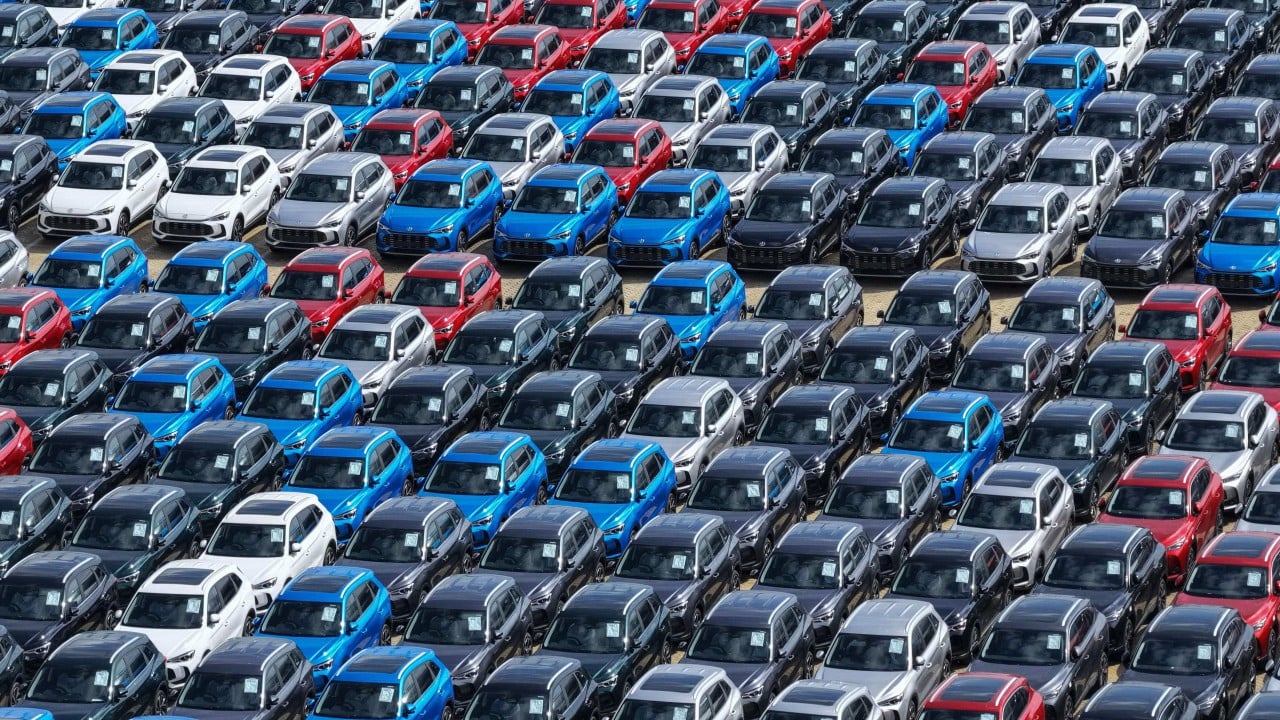
When filling up your tank starts feeling like a luxury tax, your mindset changes fast. Across Europe, petrol prices hovering near punishing highs have turned routine trips to the fuel station into an exercise in frustration. Drivers aren't just complaining anymore. They are voting with their wallets, accelerating a massive shift toward electric vehicles that legacy European carmakers are struggling to match on price.
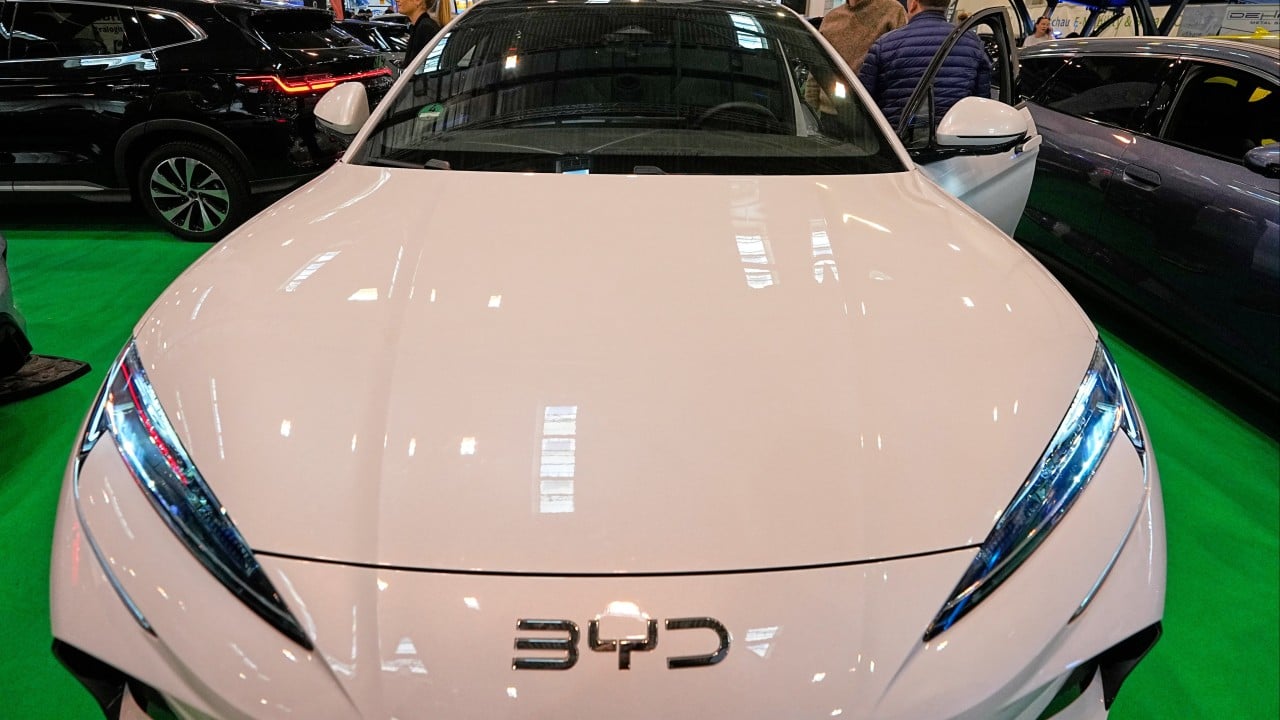
Enter the new wave of Chinese automotive brands. While Brussels tries to erect walls through steep import tariffs, companies like BYD, MG, and Chery are capturing record market share. They aren't winning by accident. They are winning because they offer modern technology and reasonable price tags at a moment when everyday drivers simply cannot afford traditional combustion engines anymore.
The Real Driver of the European EV Boom
Most mainstream commentary points only to climate regulations or government subsidies as the catalyst for Europe's electric transition. That is missing the bigger picture. The true accelerator is pain at the pump. When petrol costs reach extreme thresholds, the monthly operating math shifts heavily in favor of plugging in at home.
European households facing soaring living expenses look at traditional combustion models and see a financial trap. Traditional legacy brands like Volkswagen and Stellantis have spent years focusing on high-margin, premium electric vehicles. They left the affordable end of the market wide open. Chinese manufacturers spotted this massive void and rushed in with competitively priced hatchbacks and compact SUVs. Brands such as BYD and SAIC-backed MG are giving buyers practical alternatives that don't require taking out a second mortgage.
How Chinese Automakers Outpaced Legacy Giants
You cannot understand the current European market shift without looking at manufacturing efficiency. Chinese automakers spent the last decade building vertically integrated supply chains. They mastered battery production, software integration, and rapid assembly scales long before targeting Western shores.
When brands like Leapmotor partner with established European groups like Stellantis, or when BYD builds out local retail and service footprints, they bypass traditional bottlenecks. They deliver feature-rich cars with impressive range figures while undercutting local competitors by thousands of euros.
European automotive executives are sounding the alarm for a reason. Legacy factories face crushing restructuring costs, rigid labor agreements, and sluggish software development cycles. Meanwhile, Chinese competitors iterate on vehicle tech at a breakneck pace. By the time a traditional European brand redesigns a dashboard interface or optimizes a battery pack, a Chinese rival has already rolled out two software updates and a cheaper variant.
Navigating the Tariff Wall
Brussels thought tariffs of up to 35 percent or higher would stem the tide. Instead, the strategy is forcing a pivot in how these companies operate. Rather than retreating, Chinese carmakers are adapting their playbooks. Many are shifting focus toward plug-in hybrids to exploit regulatory gaps, while others are actively investing in local European assembly plants to bypass import duties entirely.
This localization strategy changes everything. When Chinese brands begin manufacturing cars inside European borders, the tariff argument disappears. Consumers get the affordable electric options they want, and local economies see new factory investments, even if traditional executives remain deeply uncomfortable with the competition.
What Comes Next for European Drivers
If you are currently driving an aging petrol car in Europe, your next vehicle purchase is going to look completely different than your last one. The pressure on fuel prices isn't going away, and the variety of accessible electric options will only expand over the next year.
Take a close look at total cost of ownership rather than just the sticker price when you shop next. Factor in home charging rates, lower maintenance overhead, and the rapid depreciation hitting older combustion models as cities tighten low-emission zones. The automotive market has permanently shifted, and the drivers refusing to adapt are the ones left paying the highest price every single time they turn the ignition key.