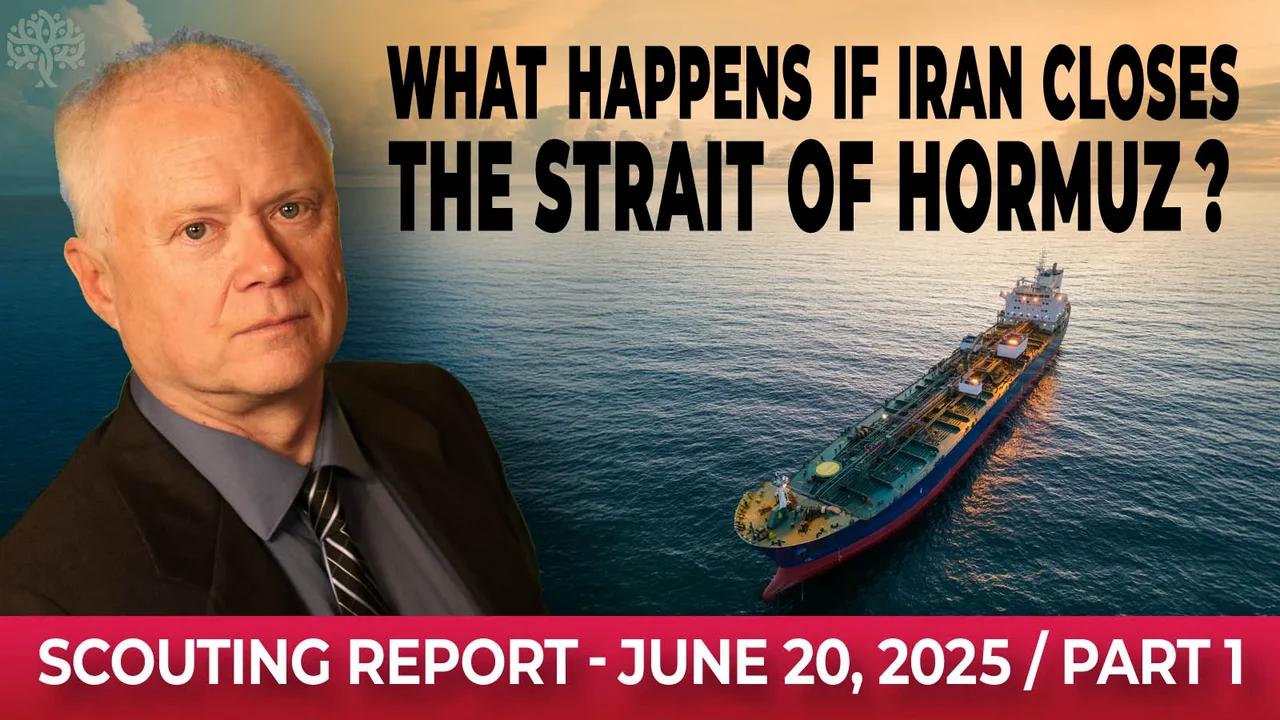
The sea is never truly empty. Even in the deepest hours of the night, when the moon catches the crest of a wave near the Strait of Hormuz, there is a pulse. It is the steady thrum of massive diesel engines, the vibration of steel hulls cutting through brine, and the quiet glow of radar screens in darkened bridges. This narrow strip of blue is the jugular vein of the global economy. When it tightens, the world feels the pressure in its chest.
Earlier today, that pressure spiked.
A bulk carrier, a massive vessel designed for the unglamorous but essential task of moving the world’s raw materials, found itself at the center of a nightmare. The United Kingdom Maritime Trade Operations reported an attack. For the crew on board, this wasn't a headline or a geopolitical data point. It was the sudden, jarring transition from the monotony of a maritime watch to the visceral reality of being a target.
Imagine the bridge of a ship like that. It is a place of precision and silence. Then, the radio crackles. There is a sighting of an unauthorized craft. The distance closes. In the span of a few heartbeats, a multi-million dollar asset and dozens of human lives become pieces on a chessboard they never asked to play on.
The Geography of Anxiety
The Strait of Hormuz is a geographical quirk with world-altering consequences. At its narrowest, the shipping lanes are only two miles wide in either direction. Twenty percent of the world's liquid petroleum passes through this needle's eye. If you have ever filled a gas tank, bought plastic-wrapped produce, or turned on a heater in the dead of winter, you are tethered to this specific stretch of water.
This latest incident isn't an isolated event. It is a symptom of a fever that has been rising between Israel and Iran for months. We often talk about "shadow wars" as if they happen in some ethereal dimension, but they manifest in the most physical ways possible. They manifest in the smell of burning fuel oil, the sight of black smoke against a desert sky, and the soaring cost of maritime insurance that eventually trickles down to the price of a loaf of bread in a grocery store thousands of miles away.
The U.K. military's involvement as a reporting body highlights the internationalized nature of the risk. A ship might be owned by a company in Greece, flagged in Liberia, crewed by sailors from the Philippines, and carrying cargo destined for Japan. When a vessel is attacked here, it isn't just an affront to one nation. It is a disruption of the invisible web that keeps modern life functioning.
The Human Cost of High-Stakes Posturing
We tend to look at these events through the lens of military strategy. We analyze drone capabilities, missile ranges, and naval deployments. But consider the merchant mariner.
These are people who spend months away from their families, navigating the vast indifference of the ocean, only to find themselves in the middle of a hot zone. For them, the "Israel-Iran conflict" isn't a debate on a news panel. It is the reason they have to wear flak jackets in ninety-degree heat. It is the reason they scan the horizon with binoculars until their eyes ache.
The psychological toll of navigating a chokepoint under the threat of seizure or drone strikes is immense. Every small fishing boat becomes a potential threat. Every blip on the radar is a question mark that could end in a boarding party. This atmospheric dread is the "invisible stake" of the conflict. It erodes the stability of global trade not just through physical damage, but through the slow poisoning of predictability.
The Butterfly Effect of the Strait
The mechanics of global commerce are surprisingly fragile. We have spent decades optimizing "just-in-time" supply chains, stripping away any margin for error to maximize efficiency. When a ship is attacked near Hormuz, the ripples move fast.
First, the insurers react. War risk premiums skyrocket. Shipowners begin to weigh the cost of the passage against the risk of losing the vessel. Some may choose to divert, taking the long way around Africa, adding weeks to transit times and burning millions of dollars in extra fuel. This isn't just a logistics problem. It’s an inflationary engine.
Then, the markets react. Traders in London, New York, and Hong Kong see the headlines and hit the "buy" button on oil futures. The price per barrel ticks upward, not because there is a physical shortage yet, but because the possibility of a shortage is now priced into reality.
Consider a hypothetical small business owner—let’s call her Sarah—who runs a delivery fleet in a suburb. She has never heard of the Strait of Hormuz. She couldn't find it on a map. But next week, when her fuel costs jump by fifteen percent, her ability to pay her drivers or keep her prices stable is directly tied to a bulk carrier she will never see, in a sea she will never visit.
Beyond the Headlines
The reporting from outlets like The Hindu provides the "what" and the "where." They tell us a carrier was attacked. They tell us the U.K. military is monitoring the situation. But the "why" and the "how it feels" are often buried under the weight of objective reporting.
The "why" is a complex tapestry of regional hegemony, decades of grievance, and a desperate struggle for leverage. Iran views the Strait as its ultimate trump card—a physical switch it can flip to plunge the global economy into chaos if it feels pushed too far. Israel and its allies view the freedom of navigation as a non-negotiable red line.
In between these two massive, grinding tectonic plates of power sit the ships.
These vessels are the pack animals of our civilization. They are slow, vulnerable, and indispensable. When they are targeted, it is a signal that the rules of the road are being rewritten in real-time. The era of "safe seas" is being replaced by an era of "contested spaces," where even the most routine commercial transit is an act of calculated risk.
The Silence After the Siren
There is a specific kind of silence that follows a maritime incident. Once the immediate adrenaline of the attack fades, and the reports are filed, the ship continues its journey—if it can. The crew goes back to their shifts. The engines continue to thrum.
But the air has changed.
The horizon no longer represents a destination; it represents a threat. This shift in perception is perhaps the most significant casualty of the ongoing friction in the Middle East. We are learning, painfully and slowly, that the comforts of the modern world are built on the assumption that the oceans remain a common ground.
As the sun sets over the Persian Gulf tonight, hundreds of ships are still out there. Their lights twinkle like a scattered constellation on the dark water. Each one is a microcosm of human effort, carrying the fuel that powers our hospitals, the grain that feeds our cities, and the components that build our futures.
They move forward through the heat and the haze, crossing a line on a map that has become a trigger point for a global crisis. The world watches the headlines, checking the price of oil and the movement of carrier strike groups. But the real story is written in the salt spray on the windows of a bridge, where a lone navigator looks out into the dark, wondering if the next shadow on the water is just a wave, or something much more dangerous.
The jugular remains tight. The world continues to hold its breath.