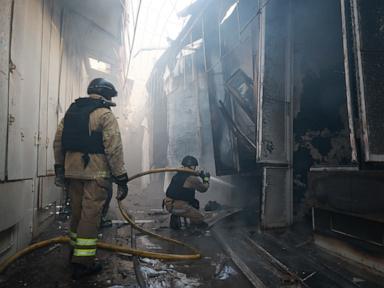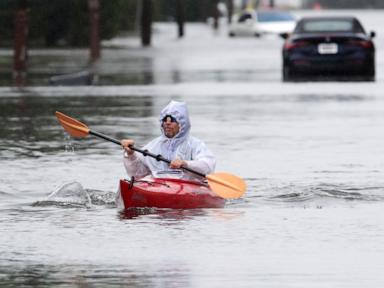
The water does not knock. It rises silently across basement windows, creeps over seawalls, and swallows coastal roads before anyone realizes the drainage pipes have turned against the land. Another nor'easter has hammered the Northeast, leaving hundreds of thousands without power, transforming suburban streets into tidal channels, and testing the limits of municipal endurance from Maryland to Maine. Meteorologists tracked the low-pressure system days in advance. Emergency managers issued bulletins. Yet, as the winds howled and the storm surge pushed icy Atlantic waters onto vulnerable shorelines, the familiar spectacle of inundation played out once again. Warnings mean little when the infrastructure beneath our feet is engineered for a climate that no longer exists.
The Illusion of Preparedness
Consider a typical coastal municipality along the Jersey Shore or the South Shore of Long Island as a baseline illustration. When sixty-knot gales align with astronomical high tides, the geography of the barrier island acts as a natural basin. Seawater does not simply recede when the rain stops; it gets trapped behind antiquated bulkheads and overwhelmed storm drains. Municipal budgets allocate millions for emergency pumps after the water recedes, but rarely invest in the fundamental redesign required to keep the tide at bay. This reactive cycle defines modern emergency management across the Northeast. Communities spend weeks cleaning silt from town squares only to wait for the next atmospheric conveyor belt to unload its fury.
The public is conditioned to believe that advanced warning equals protection. Meteorologists can pinpoint the exact hour a gale-force wind will strike a coastal county, and emergency text alerts buzz insistently on cell phones across the region. But an evacuation warning or a flood advisory does nothing to elevate a low-lying road or widen a choked culvert. Information alerts function as a digital band-aid on a structural hemorrhage. Residents move their cars to higher ground, stock up on bottled water, and brace for impact, knowing full well that their basements will flood regardless of how early the weather service sounded the alarm. The psychological toll of this recurring cycle breeds a unique form of fatalism among coastal residents, who watch their investments erode with every lunar cycle while local officials offer little more than sandbags and sympathy.
Atmospheric Mechanics of the Coastal Engine
The atmospheric mechanics behind these events are well understood by climatologists, yet society treats them as isolated anomalies rather than recurring realities. A nor'easter draws its immense power from a collision of contrasts. Frigid air plunging southward from Canada meets warm, moisture-laden air streaming northward from the Gulf Stream. When these contrasting air masses stall over the Atlantic seaboard, they spin up a cyclonic engine that hurls moisture against the coast for days at a time. Unlike fast-moving summer thunderstorms that dump rain and vanish in an hour, a nor'easter lingers. It pounds the same beaches through multiple tide cycles, compounding the damage with every rotation. The duration of the assault is what separates a manageable weather event from a regional catastrophe.
Historical precedent underscores how predictable this cycle has become. The Great Blizzard of 1888 and the Ash Wednesday Storm of 1962 demonstrated the exact same vulnerabilities that plagued the recent storm. The geometry of the coastline has not changed, but the density of development along the water's edge has multiplied exponentially. Paving over natural wetlands with concrete shopping centers and luxury condominiums eliminated the earth's natural sponge capacity. Every square foot of impervious surface added over the last century forces more runoff directly into storm drains that were never engineered to handle modern urban density combined with rising sea levels and higher baseline tides.
Vulnerabilities in the Power Grid
Utilities face an identical crisis of scale and design philosophy. Overhead power lines weaving through dense suburban forests represent a nineteenth-century grid architecture that crumbles the moment a saturated soil bed gives way under twenty-year-old oak trees. Utility companies defend their trimming schedules, pointing to regulatory hurdles, environmental protections, and property rights that prevent them from clearing wide swaths of private timber near transmission corridors.
Meanwhile, families spend five days in the dark, tossing spoiled groceries and running noisy gasoline generators that fill quiet neighborhoods with the noxious hum of combustion engines. Underground cabling remains prohibitively expensive for most municipal utility districts, leaving millions tethered to fragile wooden poles that swing violently in gale-force winds. The financial burden of repairing this antiquated grid falls back onto ratepayers through routine rate hikes, locking consumers into paying for infrastructure that fails with predictable regularity. Energy companies report record profits while customers shovel mud out of their crawlspaces in total darkness.
Transit Systems on Borrowed Time
Transportation networks buckle under the combined weight of coastal flooding and torrential runoff. Subway grates in major metropolitan hubs turn into geysers when storm sewers back up under tidal pressure. Commuter rail lines running parallel to tidal rivers wash out as ballast stones are stripped away by rushing currents, halting regional commerce for days. Civil engineers have warned about these structural vulnerabilities for decades, but transit authorities operate on deferred maintenance schedules dictated by political funding cycles rather than engineering timelines.
Fixing a drainage culvert or raising a rail bed does not win elections the way a ribbon-cutting ceremony for a new terminal or high-profile extension does. Consequently, public capital flows toward high-visibility projects rather than subterranean resilience. When a nor'easter hits, millions of commuters discover that the region's economic engine is highly sensitive to rising water levels. The economic cost of a single day of transit paralysis runs into the hundreds of millions of dollars in lost productivity, yet capital improvement budgets remain chronically underfunded.
The Economic Drain on Small Businesses
The economic fallout extends far beyond immediate property damage and municipal repair bills. Small businesses situated near historic waterfronts absorb the heaviest blows. Insurance premiums in flood-prone zip codes have doubled or tripled over the past five years, forcing many independent shop owners to drop coverage entirely or pass unsustainable costs onto consumers. A single four-day storm can wipe out the crucial holiday retail season or summer tourism kickoff for a coastal village that relies on foot traffic.
When federal disaster declarations take months or even years to process through bureaucratic channels, local merchants find themselves bankrupt before the first reimbursement check clears the mail. Corporate chains can absorb these losses across a national portfolio, but family-owned hardware stores, seafood markets, and restaurants disappear permanently, eroding the unique character of coastal communities. The national flood insurance program, burdened by mounting deficits and outdated risk maps, fails to provide adequate protection for businesses operating in transitional zones between land and sea.
Political Gridlock and the Cost of Inaction
Solutions exist, but they demand a radical departure from traditional zoning and building practices. Managed retreat remains the most controversial yet effective tool in the mitigation playbook. Moving structures away from immediate hazard zones runs counter to centuries of real estate tradition that prizes waterfront access above all else. Property tax values are tied directly to proximity to the sea, making any conversation about moving inland politically toxic for local officials. Mayors and town councils who suggest abandoning low-lying neighborhoods face immediate backlash from property owners and tax assessors who fear a collapse in municipal revenues.
Engineering alternatives offer a middle ground, though they require unprecedented levels of capital expenditure. Living shorelines utilizing restored salt marshes, oyster reefs, and dune enhancement absorb wave energy far more effectively than concrete seawalls that simply reflect destructive forces onto neighboring properties. Yet these natural buffers take years to establish and cannot protect low-lying asphalt and residential foundations built right up to the water line. When concrete meets an angry ocean, the ocean always wins in the long run.
Responsibility ultimately shifts back to the regulatory agencies that approve construction permits in high-risk zones. Local planning boards continue to greenlight residential developments in flood plains, seduced by the short-term tax revenue influx. State environmental protection departments issue permits for bulkhead repairs that merely protect individual parcels while exacerbating flooding on neighboring properties. Until building codes reflect the hydrological reality of the coming decades, every nor'easter will be greeted with the same feigned surprise and the same futile scramble for sandbags, proving that the greatest danger is not the storm itself, but our collective refusal to adapt to a changing world.