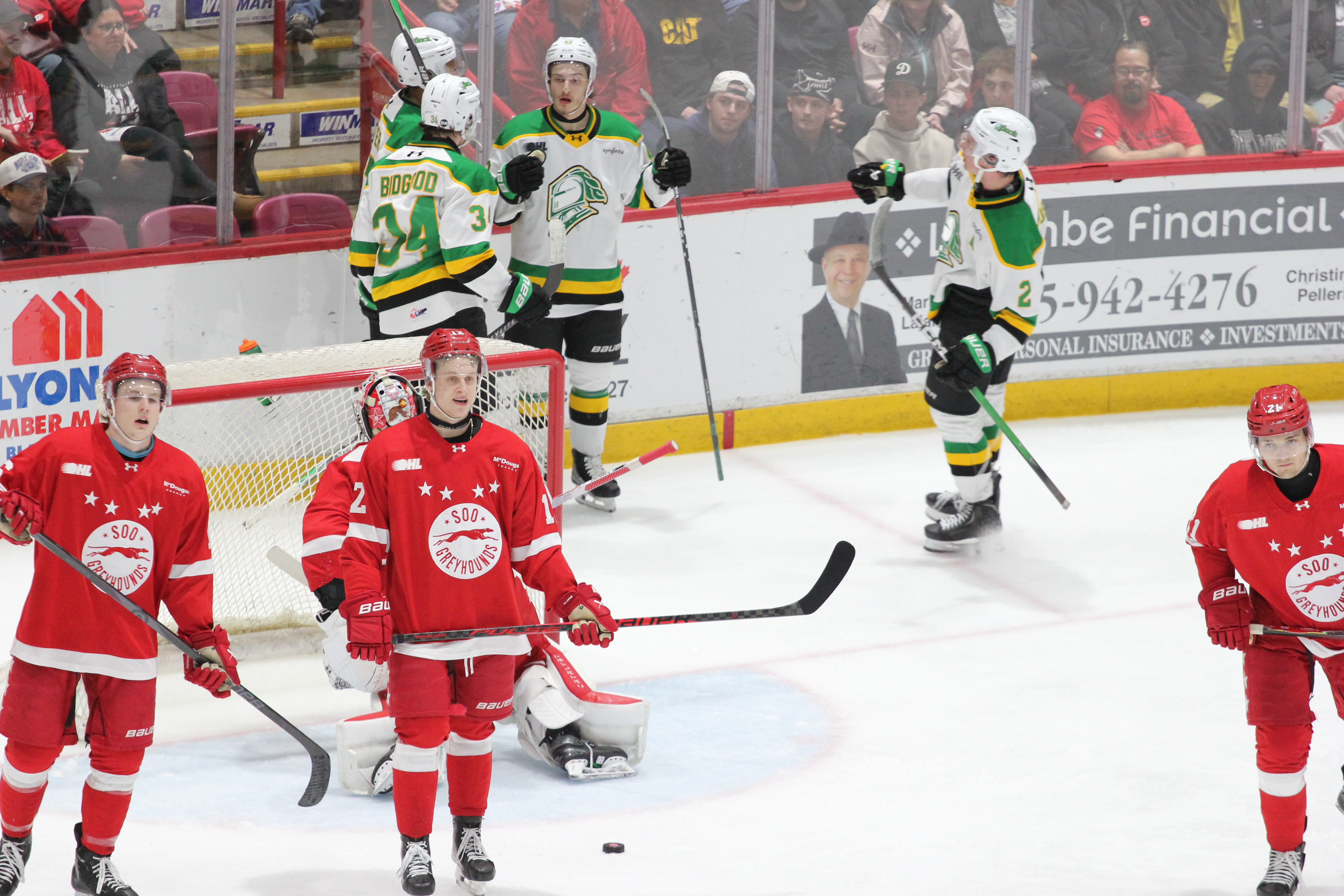
The air inside a hockey rink has a specific, biting weight. It tastes of sharpened steel, frozen humidity, and the faint, metallic tang of Zamboni exhaust. For the families who have spent their winters and dawn-lit Saturdays at the Valley Ice Center, this isn't just air. It is a lifeline.
When you walk into a place like this, the first thing you notice is the sound. It is a rhythmic, percussive symphony—the sharp thwack of a puck meeting a composite stick, the violent spray of ice as a skater digs an edge into a turn, and the muffled thud of a body hitting the boards. To an outsider, it is chaos. To the community in Van Nuys, it is the heartbeat of a neighborhood. For another look, check out: this related article.
But that heart is being threatened by the clinical precision of a demolition crew.
The news broke like a fracture in the ice. The Valley Ice Center, a fixture of San Fernando Valley life for decades, is slated for destruction. In its place, the plans call for a massive industrial warehouse. A box. A graveyard for logistics and shipping containers where there used to be sweat, laughter, and the jagged progress of children learning how to fall and get back up. Similar reporting regarding this has been published by The Athletic.
The Invisible Stakes of a Cold Room
Consider a hypothetical skater named Maya. She is seven years old, her ankles still wobbling inside skates that feel a size too large. At the Valley Ice Center, Maya isn't just learning to skate; she is learning the geometry of courage. Every time she hits the ice, she risks a bruise. Every time she gets up, she builds a layer of resilience that no classroom can replicate.
Her father sits in the bleachers, shivering in a parka, nursing a lukewarm coffee from a Styrofoam cup. He isn't there because he loves the cold. He is there because this rink is the only place in a thirty-mile radius where his daughter is part of something larger than a screen.
When we talk about "demolition," we often talk in terms of real estate value, square footage, and zoning permits. We look at the "highest and best use" of a plot of land through a spreadsheet. But a spreadsheet cannot calculate the value of a Friday night league game. It cannot quantify the importance of a locker room where teenagers from vastly different backgrounds find common ground in the pursuit of a puck.
The fight to save the Valley Ice Center isn't just about sports. It is a desperate attempt to protect a "third place"—that essential space between work and home where community is actually forged. When you tear down a rink to build a warehouse, you aren't just changing a building. You are evaporating a social ecosystem.
The Logistics of Loss
The data tells a grim story. Ice rinks are notoriously difficult to maintain. They are energy-intensive monsters that require constant mechanical vigilance. In a climate like Southern California, keeping a sheet of ice frozen while the sun beats down on the roof is a feat of engineering and a drain on the bank account.
The owners of the property see a shifting economy. They see the rise of e-commerce and the insatiable demand for distribution centers near urban hubs. From a purely fiscal perspective, the warehouse wins. It is low-maintenance, high-yield, and predictable.
But predictability is the enemy of culture.
Hockey families are a different breed. They are used to the grind. They are used to 5:00 AM wake-up calls and the smell of equipment that never quite dries out. They are used to the high costs of ice time and the endless travel. This inherent toughness has manifested in a grassroots movement to stop the bulldozers. Petitions are circulating. Town halls are packed. The rhetoric isn't about property rights; it’s about the soul of the Valley.
If this rink vanishes, the "hockey desert" of Los Angeles expands. The nearest alternatives are already at capacity, their schedules packed from dawn until midnight. For many families, the loss of this facility means the end of the road. The gear goes into the garage. The skates are outgrown and never replaced. The community scatters.
A City of Boxes
Walk through any major metropolitan area today and you will see the trend. We are becoming a civilization of transit. We prioritize the movement of goods over the gathering of people. We tear down bowling alleys, independent cinemas, and ice rinks to make room for the infrastructure of "delivery."
We want our packages in twenty-four hours, but we are paying for that speed with our social fabric.
The tragedy of the Valley Ice Center is that it is being replaced by a ghost. A warehouse employs fewer people per square foot than a vibrant community hub. It generates traffic but no conversation. It serves a global supply chain while starving the local one.
There is a specific kind of silence that follows the closure of a rink. It’s a hollow, ringing quiet. The echoes of the whistles and the cheering parents don't just disappear; they haunt the space until the walls come down.
Critics might argue that "it’s just a building." They might say that interests change, and that the city must evolve. But evolution should imply improvement, not just efficiency. Is a neighborhood "better" because it can process ten thousand more cardboard boxes a day? Or is it better because its children have a place to play, to fail, and to find their identity?
The Friction of the Real World
We live in an era of seamlessness. Everything is designed to be frictionless, from our apps to our shopping experiences. But hockey is a sport of friction. It is the literal friction of steel on ice. It is the physical friction of competition.
That friction is what shapes us.
When a kid like Maya learns to cross-over on her skates, she is navigating a physical reality that demands her full attention. She cannot "swipe" her way to a better slap-shot. She has to be present. The rink demands presence.
The parents fighting to save the Valley Ice Center understand this instinctively. They aren't just fighting for a hobby. They are fighting for a sanctuary of the "real." They are fighting against the slow, gray encroachment of a world where everything is a transaction and nothing is a landmark.
The struggle is currently caught in the gears of local bureaucracy. There are appeals, zoning challenges, and pleas to the city council. The families point to the lack of recreational space in the area. They point to the history of the Los Angeles Kings' impact on the region. They point to the faces of the players who have nowhere else to go.
Beneath the legal jargon, however, lies a simpler truth.
Once these places are gone, they never come back. You don't "un-build" a warehouse to recreate an ice rink. The specialized piping, the insulation, the massive compressors—once they are ripped out, the cost of replacing them becomes a barrier that no developer will ever cross. To lose the Valley Ice Center is to lose it forever.
The lights are still on for now. The Zamboni still makes its rounds, smoothing over the scars of the previous hour’s battle. The children still line up at the gate, tapping their sticks against the boards in anticipation. They don't look at the "For Lease" signs or the architectural renderings of the behemoth that wants to take their place.
They are looking at the ice.
They are waiting for the whistle, hoping that this time, the game doesn't have to end before the clock runs out.