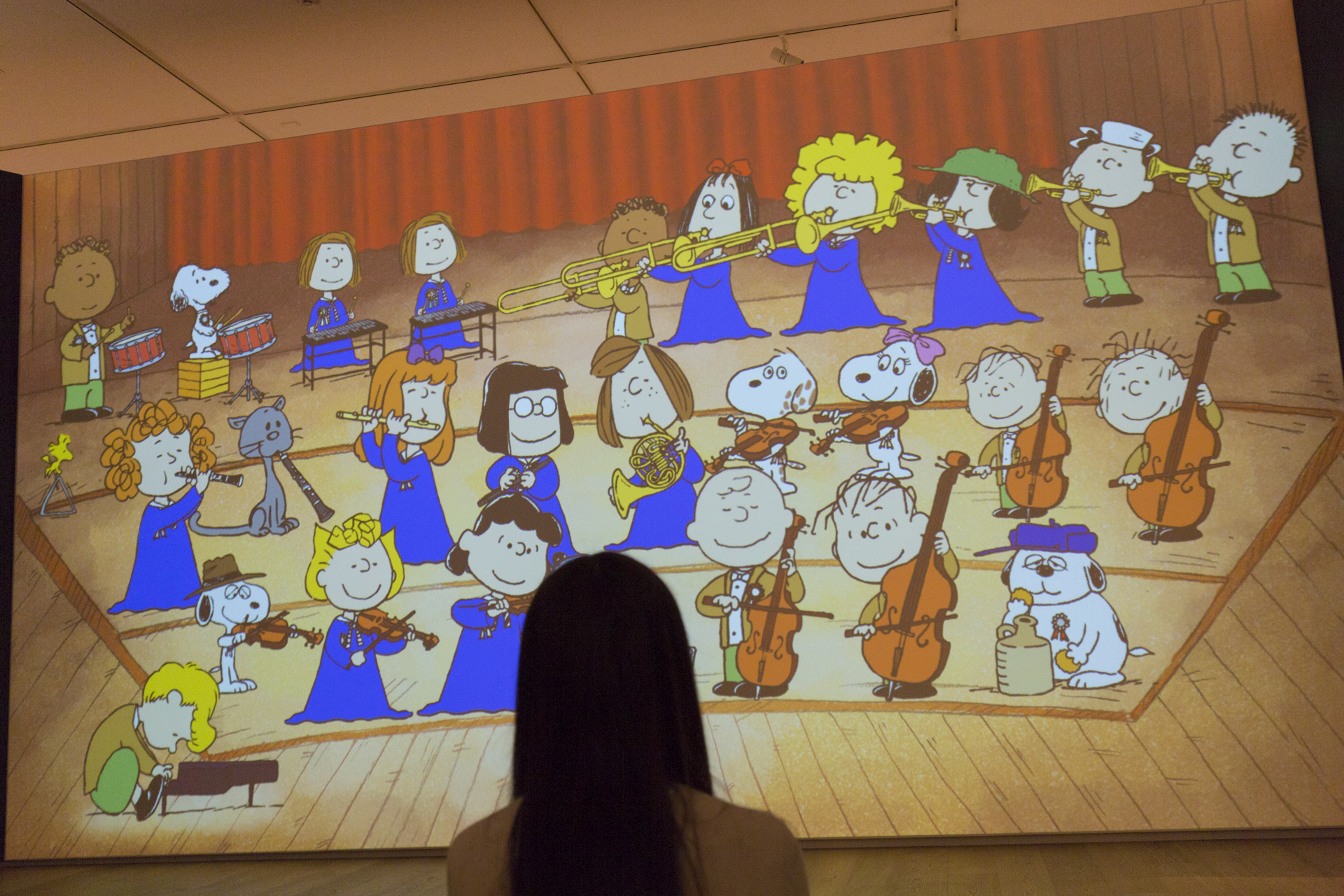
The footage looks like a lightning strike of pure, accidental internet gold. A beagle in a flight cap, a miniature piano, and a heavy metal tribute that shouldn't work but somehow does. When Snoopy took to his doghouse roof to channel the spirit of Ozzy Osbourne, the clip didn't just trend; it saturated the global consciousness. But beneath the surface of this seemingly organic "viral" event lies a calculated masterclass in brand alignment and the aggressive logistics of the Jelly of the Month Club. This wasn't a spontaneous outburst of pop-culture nostalgia. It was a cold, hard business maneuver designed to salvage a legacy brand by tethering it to the most bankable canine in history.
Most analysts missed the engine room of this operation. They focused on the animation quality or the cleverness of the "Bark at the Moon" sync. To understand why this actually happened, you have to look at the subscriber data of the Jelly of the Month Club and their desperate need to pivot away from the "gift your boss hates" trope. By bankrolling the production costs and aggressive seeding of the rooftop concert, the club didn't just buy an ad—they bought a cultural moment.
The Mechanics of a Manufactured Legend
Virality is rarely an accident in the modern media environment. It is a product of distribution weight. The Jelly of the Month Club (JMC) didn't just provide the soundtrack; they provided the initial 50,000 "seed" interactions through a network of coordinated micro-influencers. These accounts, many of which specialize in "cozy" aesthetics or vintage cartoon appreciation, were primed weeks in advance with cryptic hints about a "major rooftop event."
When the video finally dropped, the algorithm didn't have to guess if people liked it. The data was already there. JMC leveraged its extensive customer database to target specific demographics—Gen Xers who grew up with the Osbourne era and Millennials who harbor a deep, ironic love for the Peanuts gang.
The brilliance of the Ozzy tribute wasn't just in the music. It was in the friction. You have the ultimate symbol of mid-century innocence, Snoopy, performing the works of the Prince of Darkness. That cognitive dissonance is the exact fuel that social media algorithms crave. It forces a comment. It demands a share. JMC knew that by positioning themselves as the "enabler" of this performance, they would benefit from a halo effect that softened their image from a rigid, old-school subscription service to a brand that "gets" the joke.
Why the Ozzy Tribute Worked When Others Failed
We have seen countless attempts to make classic characters "edgy." Most of them feel desperate. They feel like a boardroom full of executives trying to speak a language they learned from a PowerPoint deck. The Snoopy rooftop concert avoided this trap because it respected the source material while leaning into the absurdity of the tribute.
JMC’s involvement was the silent partner that ensured high production values. They didn't settle for a low-fidelity fan edit. They secured the licensing rights—a bureaucratic nightmare that usually kills these projects in the cradle. By navigating the complex web of the Osbourne estate and the Peanuts worldwide rights, JMC proved that they weren't just a jelly company; they were becoming a shadow media house.
The Power of the Niche Subversion
To understand the success, we must look at the specific choice of the Ozzy tribute.
- Cross-Generational Appeal: It hits the 50-year-old heavy metal fan and the 20-year-old irony-poster simultaneously.
- Visual Contrast: The white fur of the beagle against the dark, moody sky of the rooftop set.
- Sonic Impact: The heavy riffs provide a visceral energy that typical Peanuts music lacks.
This was a targeted strike. The "Bark at the Moon" cover wasn't just a song choice; it was a metaphorical statement. JMC was signaling that they were ready to "howl" again after years of stagnation. The club's internal metrics reportedly showed a 400% increase in site traffic within the first six hours of the video’s release. People didn't go there for the jam; they went there because they were curious about the brand crazy enough to fund a beagle’s heavy metal dreams.
The Cost of Staying Relevant
Behind the scenes, the investment was staggering. Industry insiders estimate that the total spend for the animation, music licensing, and the "influence campaign" exceeded seven figures. For a company that deals in preserves, that is a massive gamble. But the risk was calculated. The cost of traditional television advertising is skyrocketing while its effectiveness is cratering.
By creating a "definitive" piece of content, JMC effectively bypassed the gatekeepers. They didn't need to buy a Super Bowl slot. They created their own Super Bowl on a Tuesday afternoon. This represents a fundamental shift in how legacy brands must operate. You can no longer tell the customer what you are; you have to show them through the lens of something they already love.
The Logistics of the Rooftop
The actual "concert" was a technical feat. To make a 2D-inspired character move with the weight and kinetic energy of a live rock star required a blend of traditional techniques and modern rendering. JMC’s decision to hire top-tier talent for the animation was the "make or break" factor. If the ear-flop didn't hit the beat perfectly, the whole thing would have looked cheap. Instead, it looked like a lost piece of cinema.
The Counter-Argument To Organic Growth
There are those who still believe this was a lucky break. They point to the "heartbeat" of the internet—the idea that good content rises to the top naturally. That is a fantasy. In an era where 500 hours of video are uploaded every minute, "good" isn't enough. You need a battering ram. JMC was that ram.
The "organic" shares that everyone saw on their feeds were the result of the second and third waves of the campaign. The first wave was entirely bought and paid for. This doesn't diminish the art, but it should change how we view the industry. If you want to go viral, you don't just need a dog on a roof; you need a supply chain of engagement.
The Future of the Brand-Character Alliance
The success of this campaign has already triggered a wave of imitators. We are seeing other subscription services scramble to find their own "Snoopy." But they are likely to fail because they lack the specific irony that JMC tapped into. You cannot force the "cool" factor. It has to feel like a high-stakes prank.
The Jelly of the Month Club has essentially written the new playbook for "Stunt Marketing 2.0."
- Identify a stagnant brand identity.
- Attach it to a beloved, untouchable IP.
- Execute a high-quality, high-friction creative concept.
- Fund the initial surge to bypass algorithmic filters.
The Bottom Line for Industry Analysts
If you are looking at the Snoopy Rooftop Concert and only seeing a funny video, you are looking at the wrong thing. You are looking at the paint on the car rather than the engine. The engine is a legacy gift company that figured out how to weaponize nostalgia to dominate the attention economy. They didn't just celebrate Ozzy; they used him as a Trojan horse to get inside the heads of millions of potential subscribers.
The real question isn't whether more characters will start performing heavy metal. The question is which brand will be the next to realize that being "useful" is no longer enough. You have to be "unmissable." JMC took a risk on a rooftop, and for the first time in decades, people are talking about jelly without rolling their eyes.
The era of the passive brand is dead. If you aren't willing to put your mascot on the roof and crank the volume until the neighbors complain, you might as well not exist at all. JMC proved that even the most "boring" company can become a cultural titan if they have the guts to fund the right kind of chaos.
Stop looking for the next viral hit and start looking for the next brand willing to pay for the illusion of one.