The cycle of violence in Balochistan isn't just a local problem anymore. It's a massive, bleeding wound for Pakistan that keeps getting deeper. Every time a news report mentions a "targeted killing" or a "security operation," it’s easy to tune out the noise. But if you're looking at the actual data, the situation has shifted from a low-level insurgency into a sophisticated, multi-front conflict. This isn't just about separatist groups vs. the state. It’s about a breakdown in the basic social contract and a security strategy that seems stuck in the 1970s.
When we talk about targeted killings in Balochistan, we're talking about a specific, chilling strategy. People are being pulled off buses. Laborers are being shot in their sleep. It’s brutal. It’s calculated. And it’s designed to make the province ungovernable. If you want to understand why this matters right now, you have to look at how the security response is actually fueling the fire it's trying to put out.
The Reality of Targeted Attacks on Outsiders
The most visible part of this mess is the killing of "settlers"—non-Baloch people, mostly from Punjab, who work in the province. Groups like the Baloch Liberation Army (BLA) have ramped up these attacks to send a message. They want to show that the Pakistani state can't protect its own citizens on Baloch soil.
In August 2024, the province saw one of its bloodiest days in years. Gunmen blocked a highway in Musakhail, checked ID cards, and executed over 20 people. Think about that for a second. That kind of coordination requires intelligence, weapons, and a complete lack of fear regarding the local police. These aren't random acts of madness. They're political statements written in blood. The goal is to isolate Balochistan from the rest of the country.
Why does this keep happening? Because the insurgents have successfully framed every developmental project as an "extraction" by outsiders. When a laborer from Multan goes to Balochistan to build a road, the BLA doesn't see a worker. They see an agent of a state they don't recognize. It’s a tragic, simplified worldview that leaves no room for innocent bystanders.
Where the Security Strategy Fails
Pakistan’s response has been, predictably, heavy-handed. The military has a massive presence in the region, but more boots on the ground hasn't equated to more safety. In fact, many locals argue the presence of security forces is the primary irritant.
The issue of "enforced disappearances" is the elephant in the room. You can't talk about Balochistan without talking about the families who have been protesting for decades. When the state picks up suspects without due process, it creates a vacuum. That vacuum is filled by anger. Then that anger is recruited by militant groups. It’s a self-sustaining loop of radicalization.
The state’s reliance on "Death Squads"—alleged local militias used to counter-insurgents—has also backfired. These groups often operate with impunity, leading to more human rights abuses and further alienating the common citizen. You can't build a stable province by outsourcing law enforcement to unaccountable armed groups. It just doesn't work.
The China Connection and Economic Stagnation
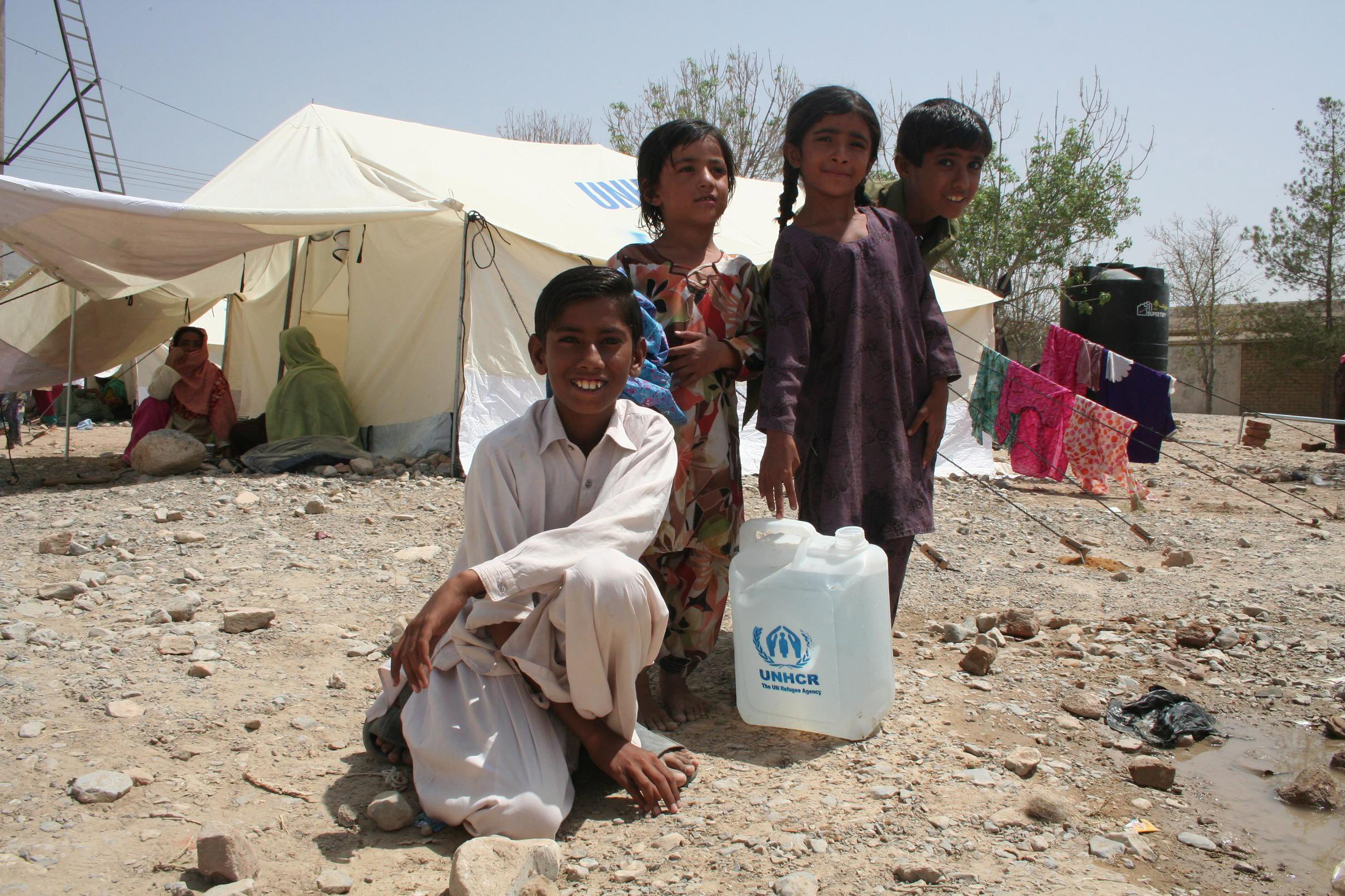
Money is at the heart of this. Balochistan is home to Gwadar Port, the crown jewel of the China-Pakistan Economic Corridor (CPEC). Billions of dollars have been pledged, but the average person in Balochistan still struggles to find clean drinking water.
The contrast is jarring. You have high-tech port facilities and fenced-in Chinese compounds sitting right next to fishing villages that are losing their livelihoods to deep-sea trawlers. This economic disparity is the best recruiting tool the insurgents have. They point at the shining infrastructure and tell the youth, "That’s your wealth being stolen."
China is getting nervous. They’ve seen their workers targeted in Karachi and Balochistan. If Pakistan can't guarantee the safety of its primary investor, the entire economic backbone of the country starts to wobble. This isn't just a domestic security issue; it’s a massive hit to Pakistan’s international credibility.
Misconceptions About the Insurgency
People often think the Baloch movement is a monolithic group of "tribal sardars" fighting for their old perks. That's outdated. The new generation of insurgents is different. They’re educated. They’re tech-savvy. Many are from the middle class, not the tribal elite.
The Majeed Brigade, the elite suicide squad of the BLA, even includes female fighters. This is a radical shift in a deeply conservative society. It shows that the ideology has moved beyond simple tribal loyalty. It’s now a nationalist struggle that has seeped into the university campuses and the urban middle class. Ignoring this evolution is a fatal mistake for the policy-makers in Islamabad.
What Needs to Change Immediately
If the goal is actually peace and not just a temporary lull in shooting, the strategy has to flip. Hard power has hit its limit. You can't kill your way out of a political grievance.
First, the state needs to address the missing persons issue with total transparency. It’s the single biggest source of resentment. If someone committed a crime, try them in an open court. If they didn't, let them go. The "security first" mindset has completely eroded the "justice first" requirement for a healthy society.
Second, the benefits of CPEC need to be tangible for the locals. Not in ten years. Not in "trickle-down" promises. Right now. That means jobs, schools, and desalinated water for the people of Gwadar, not just the people working inside the port.
Understanding the Regional Players
Balochistan doesn't exist in a vacuum. It borders Iran and Afghanistan. The shifting dynamics in Kabul have given various groups more breathing room. Pakistan often blames India for fueling the fire, and while regional rivalries are definitely a factor, blaming "foreign hands" for everything is a convenient way to avoid looking in the mirror.
Internal failures are the primary driver. When you have a province that feels exploited and ignored, foreign intelligence agencies don't have to do much to stir the pot. They just have to provide a little bit of fuel to an already raging fire. The solution isn't just better border fencing; it’s better governance.
The Human Cost of Silence
The victims of this conflict aren't just the people in the headlines. It’s the entire generation of Baloch children growing up in a militarized zone. It’s the families of the Punjabi laborers who were just trying to send money home. It’s the journalists who can't report the truth because they’re caught between the military and the militants.
The scrutiny on Pakistan’s security role is justified because the current results are poor. More money is being spent on security than ever before, yet the province feels less secure. That’s a clear indicator that the ROI on the current strategy is in the negatives.
If you're following this situation, stop looking at the casualty counts and start looking at the political shifts. The real story isn't the number of people killed in the last attack; it's the number of people who have given up on the possibility of a peaceful political solution. That’s the most dangerous metric of all.
For anyone trying to keep track of this, follow the work of local activists and independent journalists who are actually on the ground in Quetta and Gwadar. They’re the ones seeing the reality that often gets filtered out by the official state press releases. Keep an eye on the legal challenges regarding missing persons in the high courts—those rulings are the real frontline of the struggle for the soul of the province.