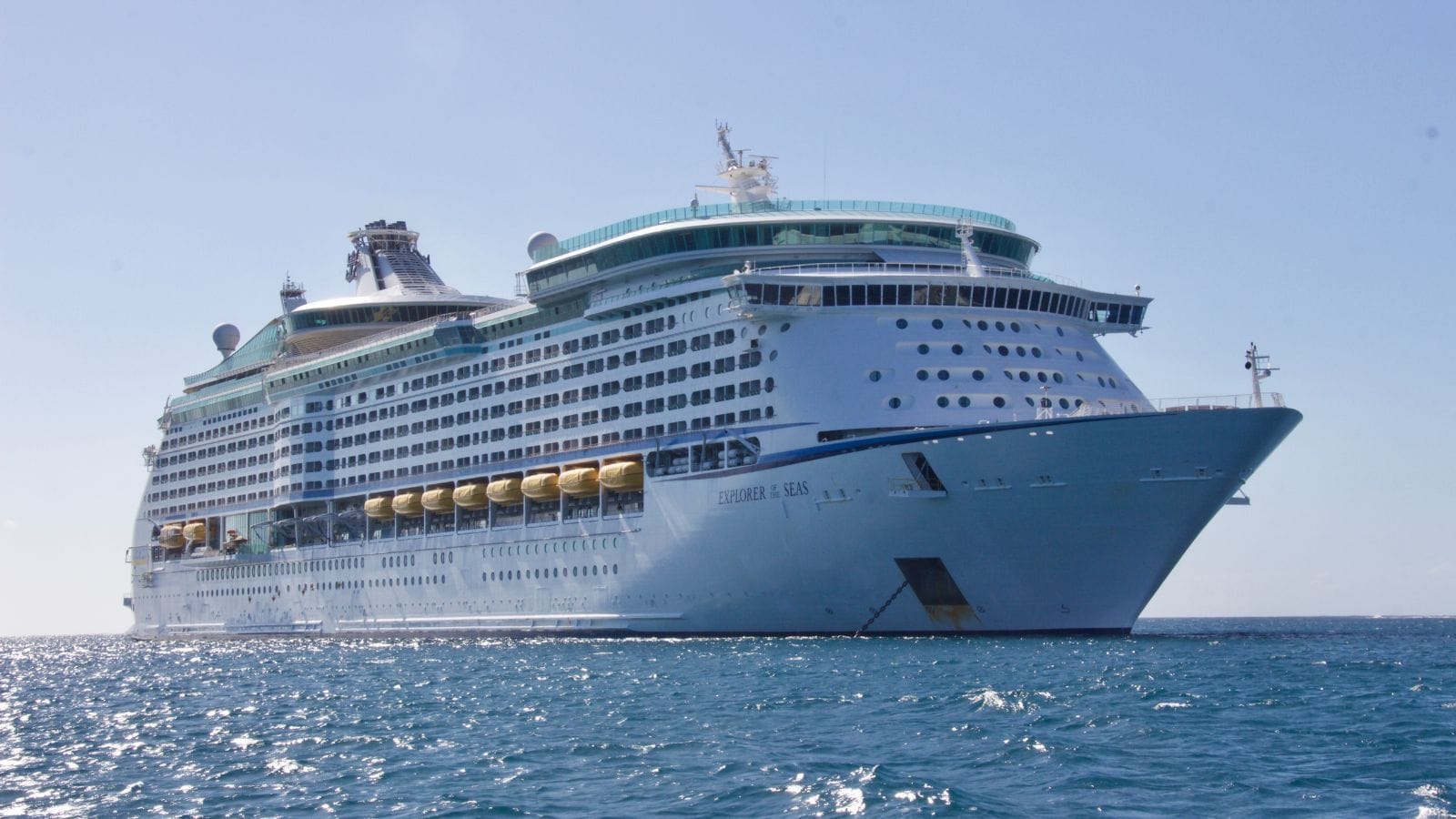
People are still packing cruise ships. It does not matter that headlines keep screaming about norovirus outbreaks or sudden scares of hantavirus at sea. If you look at the actual data from the Cruise Lines International Association, vacationers are booking cabins at record rates. Vacationers simply do not care about the bad press.
You might think a stomach bug sweeping through a closed vessel would make travelers change their minds. It makes sense on paper. Nobody wants to spend a hard-earned vacation locked in a cabin with a bottle of electrolyte solution. Yet, the industry is seeing unprecedented demand.
The reality of cruise ship illness is wildly different from the public perception. News outlets love a cruise ship quarantine story. It drives clicks. But when you look at the actual percentages, the math tells a completely different story. Travelers have figured this out, and they are refusing to let media panic ruin their travel plans.
The Reality Behind Cruise Ship Illness Statistics
The Centers for Disease Control and Prevention tracks gastrointestinal illness outbreaks on cruise ships through its Vessel Sanitation Program. To trigger an official notification, an outbreak must affect at least 3% of the total passengers or crew on board.
That sounds like a lot until you look at the raw numbers. On a ship carrying 4,000 passengers, 3% is just 120 people. While that sucks for those 120 passengers, the other 3,880 people are having a perfectly normal vacation. You are actually much more likely to catch a stomach bug at a crowded land-based resort, a theme park, or your local grocery store. The difference is that hotels do not have a federal mandate to report every guest who gets sick to a government database. Cruise ships do.
The recent hantavirus scare followed a similar pattern of media inflation. Hantavirus is typically spread by wild rodents in rural areas, not modern cruise liners. When an isolated case pops up, the internet loses its mind. Travelers who know how these ships operate know that the risk is virtually non-existent.
Why Travelers Keep Buying Tickets
Loyal cruisers are a different breed of traveler. They know the value proposition of a cruise is tough to beat anywhere else. Where else can you get lodging, entertainment, and endless food options for one upfront price while waking up in a new country every morning?
The industry has built an incredibly loyal fan base. Repeat cruisers make up a massive chunk of the market. These travelers have spent weeks or months on ships over their lifetimes. They know that crew members constantly scrub handrails, wipe down elevator buttons, and sanitize buffet stations. They see the hygiene efforts with their own eyes.
Economic factors drive this trend too. Land-based vacations have become staggeringly expensive. Hotel rates in major tourist hubs are sky-high. Restaurant prices are up. When people sit down to budget their annual vacation, the all-inclusive nature of a cruise wins out almost every time. A headline about a few dozen sick people three months ago cannot compete with a deal that saves a family thousands of dollars.
How Cruise Lines Keep Outbreaks Under Control
Ship operators do not just sit back and hope for the best. They have turned sanitation into an absolute science. If you have been on a ship recently, you know the crew watches you like a hawk at the buffet entrance, ensuring you use the hand sanitizer or the wash stations.
When a virus does manage to slip on board, the response is fast and aggressive.
- Public areas get sprayed with hospital-grade disinfectants that kill norovirus in seconds.
- Self-service buffets instantly switch to crew-served stations to stop cross-contamination.
- Sick passengers face strict isolation protocols in their cabins with free medical care and room service.
The cruise lines also use advanced air filtration systems. Modern ships utilize HEPA filters and massive fresh air turnover rates to ensure that what you breathe is clean. They tackled air quality aggressively during the pandemic, and those systems are still running today.
What to Do Before You Book Your Next Cruise
If you are planning a trip but still feel a bit uneasy about health risks, you can take control of the situation. Do not rely on luck. You can check the exact sanitation scores of any ship sailing in US waters before you buy a ticket.
Go directly to the CDC Vessel Sanitation Program website. They publish the inspection results for every single ship. Ships are inspected twice a year, unannounced. They get scored on a 100-point scale. Anything below an 85 is a fail. Most major lines consistently score 95 or higher. If a ship you are looking at has a history of low scores or repeated gastrointestinal alerts, pick a different ship or a different line.
Buy a travel insurance policy that includes a "Cancel for Any Reason" waiver. Standard travel insurance will not pay out just because you got scared by a news report about a virus. You need that specific waiver if you want the flexibility to pull the plug on your trip due to cold feet.
Pack a small kit of preventative supplies. Bring your own alcohol-based hand sanitizer, though keep in mind that norovirus is notoriously resistant to standard alcohol gels. Plain old soap and hot water for a full 20 seconds is still your best weapon. Pack some basic over-the-counter stomach medications just in case. Having a bottle of bismuth subsalicylate in your suitcase gives you peace of mind and saves you a trip to the ship's medical center for minor issues. Turn the handles of public restroom doors with a paper towel. Use your elbow to push elevator buttons. These small habits keep you safe anywhere, whether you are walking through an airport terminal or boarding a mega-ship.