The sirens did not start with a bang. They began with a low, metallic hum that vibrated through the floorboards of every home within three miles of the Garden Grove chemical facility. It was 3:14 PM on a Tuesday. For most people, it was the middle of a shift, the tail end of a school day, or a quiet afternoon on the porch. Then came the smell. It was sharp, unnatural, and distinctly reminiscent of pennies sitting on a hot sidewalk.
When a chemical plant fails, the breakdown is rarely just mechanical. It is a sudden, violent disruption of the unwritten contract between modern industry and the communities that sleep in its shadow. We live alongside these massive complexes of steel and steam, trusting that the valves will hold, the sensors will blink green, and the air will remain invisible.
But valves fail. Today, the failure in Garden Grove turned an ordinary afternoon into a race against an invisible clock.
The Chemistry of a Crisis
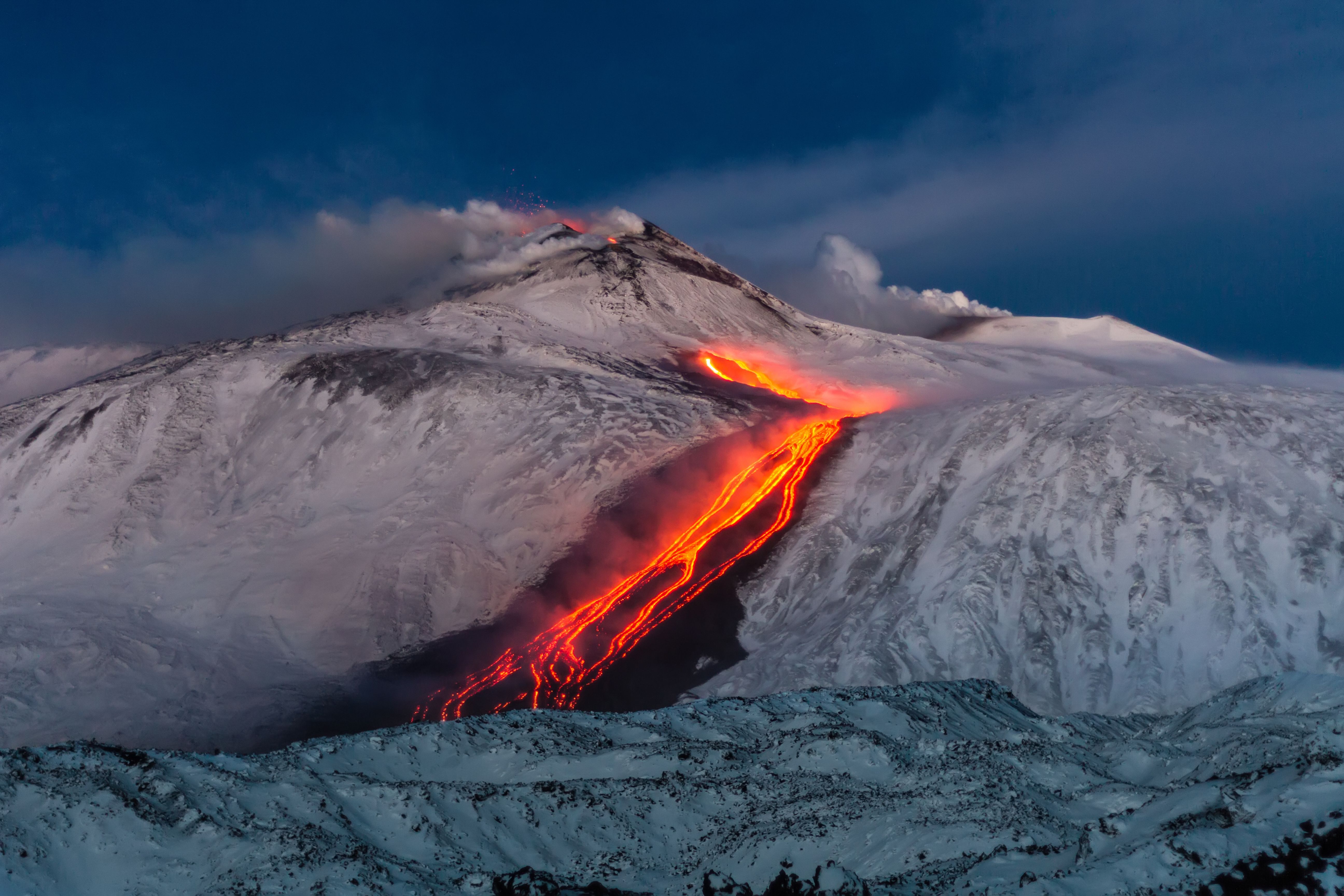
To understand what went wrong, look at the sky above the facility. A plume of dense, yellowish-white vapor began venting from Storage Tank 402. This was not smoke. It was a concentrated release of anhydrous ammonia, a chemical compound vital for industrial refrigeration and fertilizer production, but deeply hostile to human tissue.
Consider a hypothetical resident named Marcus. He lives four blocks downwind from the main gate. In an industrial accident, someone like Marcus becomes the ultimate barometer of safety.
When anhydrous ammonia meets moisture, it aggressively seeks out water. It does not care if that water is a puddle on the ground or the moisture in a human eye, throat, and lungs. The chemical reaction is immediate and exothermic. It burns.
Anhydrous Ammonia (Gas) + Tissue Moisture -> Ammonium Hydroxide (Corrosive Alkalis)
At low concentrations, it triggers a coughing fit and watering eyes. At higher concentrations, the throat constricts in a desperate, reflexive attempt to keep the toxin out of the lungs. The human body tries to protect itself, but in doing so, it can suffocate from the inside. This is why the local authorities did not hesitate. The flashing lights on the emergency vehicles were not just a warning; they were a command to move.
Mapping the Red Lines
Evacuation is not an organized parade. It is a calculation made under immense pressure. Emergency management agencies divide a chemical spill into distinct geographic zones based on real-time wind speed, temperature, and the volume of the release.
The Hot Zone is the immediate perimeter of the plant. In Garden Grove, this encompasses everything within a half-mile radius of the facility, stretching north toward the industrial park and south to the edge of the residential district at Oakhaven Road. Inside this boundary, life is measured in minutes. First responders wear heavy, self-contained breathing apparatuses and chemical-resistant suits that make them look like astronauts navigating a hostile planet.
Then comes the Warm Zone, the primary evacuation area. For this specific crisis, the boundary extends two miles downwind, cutting a wide swath through the heart of the town. The borders are precise:
- Northern Boundary: Interstate 84
- Southern Boundary: Maple Avenue
- Eastern Boundary: The railway corridor
- Western Boundary: Harbor Boulevard
If your home, school, or business falls within this rectangle, staying put is no longer a viable option. The air might look clear. The sun might still be shining through the haze. But the wind is a fickle element, and a shift of just a few degrees can push a pocket of concentrated vapor down a suburban street within seconds.
The Friction of Departure
Leaving a life behind at a moment's notice exposes the fragile mechanics of a household. You grab the dog. You look for the cat, who has inevitably hidden under the bed, terrified by the sudden urgency in your voice. You grab a handful of prescription bottles from the medicine cabinet, wondering if you will be gone for twelve hours or three days.
The streets fill quickly. Bumper-to-bumper traffic becomes a secondary hazard. It is easy to criticize the gridlock from the comfort of a newsroom, but when the police barriers go up and the blue lights flash in your rearview mirror, panic is a physical weight in the chest.
Why not just tell everyone to shelter in place? It is a common question during industrial emergencies. Turning off the air conditioning, sealing the windows with duct tape, and dampening towels to place under the doors can work for short-term, low-volume leaks. But Tank 402 was a catastrophic breach. When a massive volume of gas is sustained over hours, a standard residential home eventually breathes in the outside air. The walls that usually provide comfort become a trap.
The Safe Zone
For those fleeing the western edge of the plume, the designated reception center at the County Fairgrounds offers a stark contrast to the chaos of the streets. It smells of institutional floor wax and industrial coffee.
Here, the abstract numbers on the news tickers translate into human faces. Red Cross volunteers hand out bottled water. Toddlers sleep on folded blankets on the gymnasium floor. Strangers stare at their phones, refreshing local government social media pages, waiting for the one phrase that matters: The leak has been contained.
The true heroes of these hours are the technicians inside the plant gate. While the town retreats, a small team moves toward the source of the hiss. Fixing a chemical leak is a grueling process of elimination. They must isolate the damaged line, reroute the remaining liquid ammonia to secure vessels, and deploy water curtains—massive, high-pressure fog nozzles that knock the gas molecules out of the air before they can drift past the property line.
It is tedious, terrifying work. One spark can turn a toxic gas crisis into an explosive one. Every turn of a valve is a calculated risk.
The Aftermath of the Invisible
By late evening, the yellow haze over Garden Grove begins to dissipate, scrubbed by the water curtains and thinned by the cooling night air. The immediate danger passes, but the invisible residue of the afternoon lingers in the collective psyche of the town.
When the evacuation order is finally lifted, people will return to their homes. They will open their windows to let the clean air flush out the stale silence of the afternoon. They will wash their porches and look at the silver towers of the chemical plant on the horizon with a new, sharper perspective.
We build our world on these volatile chemical reactions. They power our vehicles, preserve our food, and create the materials of our daily lives. But every so often, the monster breaks its leash, if only for a few hours, to remind us of the immense power we try to domesticate.
The copper smell will wash away with the next rain, but the memory of the hum will remain in the quiet spaces of the town for years to years.