When a federal indictment collapses and the president keeps insisting the crime happened anyway, you expect an independent watchdog to step in. Instead, the Department of Justice Inspector General basically said not our lane.
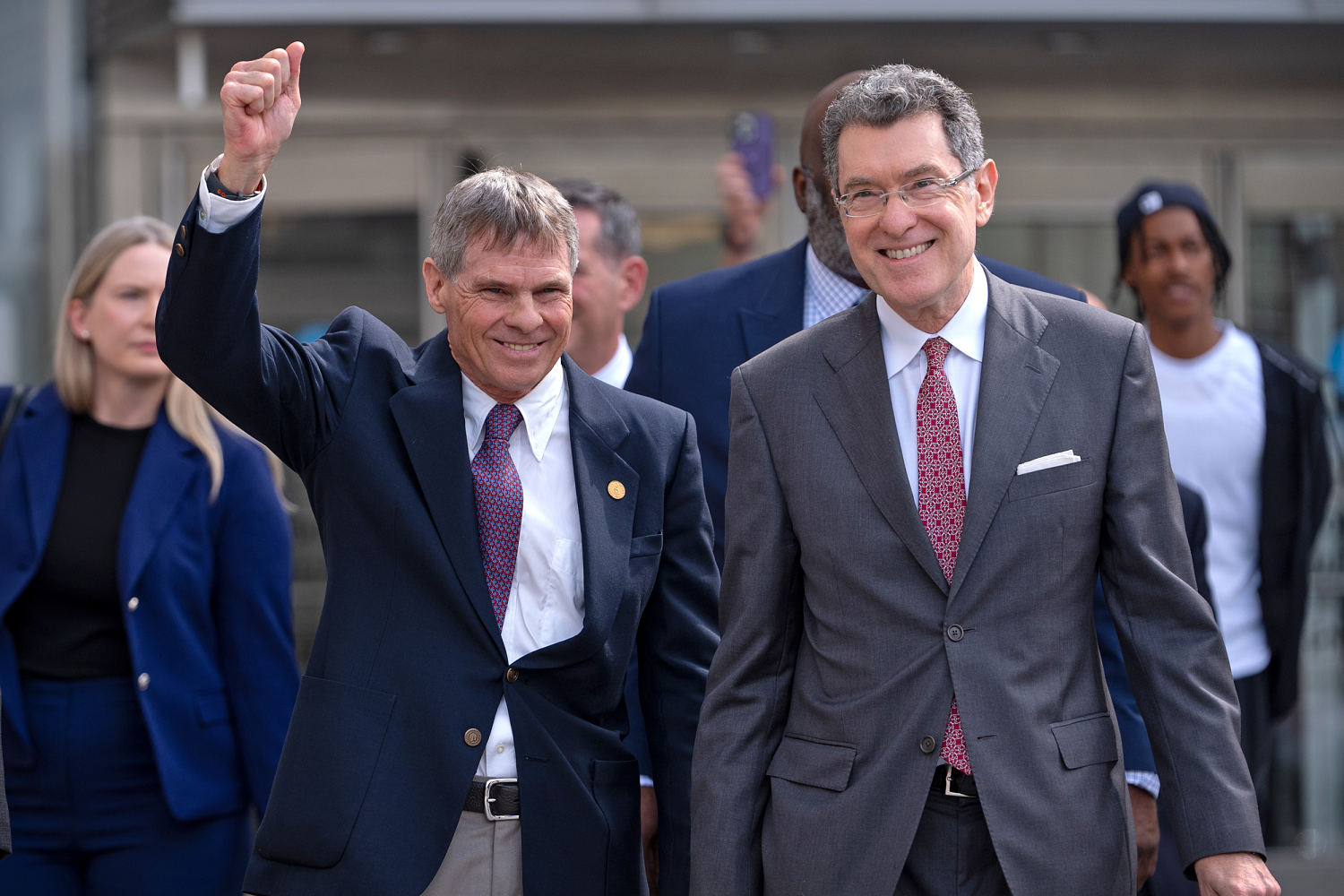
In late October 2026, lawyers for former Olympic canoeist David Hearn revealed that DOJ Inspector General Don R. Berthiaume declined to investigate how prosecutors handled the criminal case accusing Hearn of vandalizing the Lincoln Memorial Reflecting Pool. Rather than launching an OIG probe, the watchdog kicked the complaint over to the Justice Department's Office of Professional Responsibility (OPR). That handoff triggered sharp pushback from Hearn's legal team—a group that includes former DOJ Inspector General Michael R. Bromwich and attorney Norm Eisen—who argued that walking away from a politically charged prosecution undermines public trust in federal oversight.
Anyone watching the Reflecting Pool case from the start knows this isn't some dry bureaucratic turf war. It's a collision between rushed renovations for America's 250th anniversary, shifting stories about pool lining damage, public pressure from Donald Trump, and a high-profile criminal charge that ended with a judge permanently throwing the case out.
How a Reflecting Pool Repair Turned Into a Federal Case
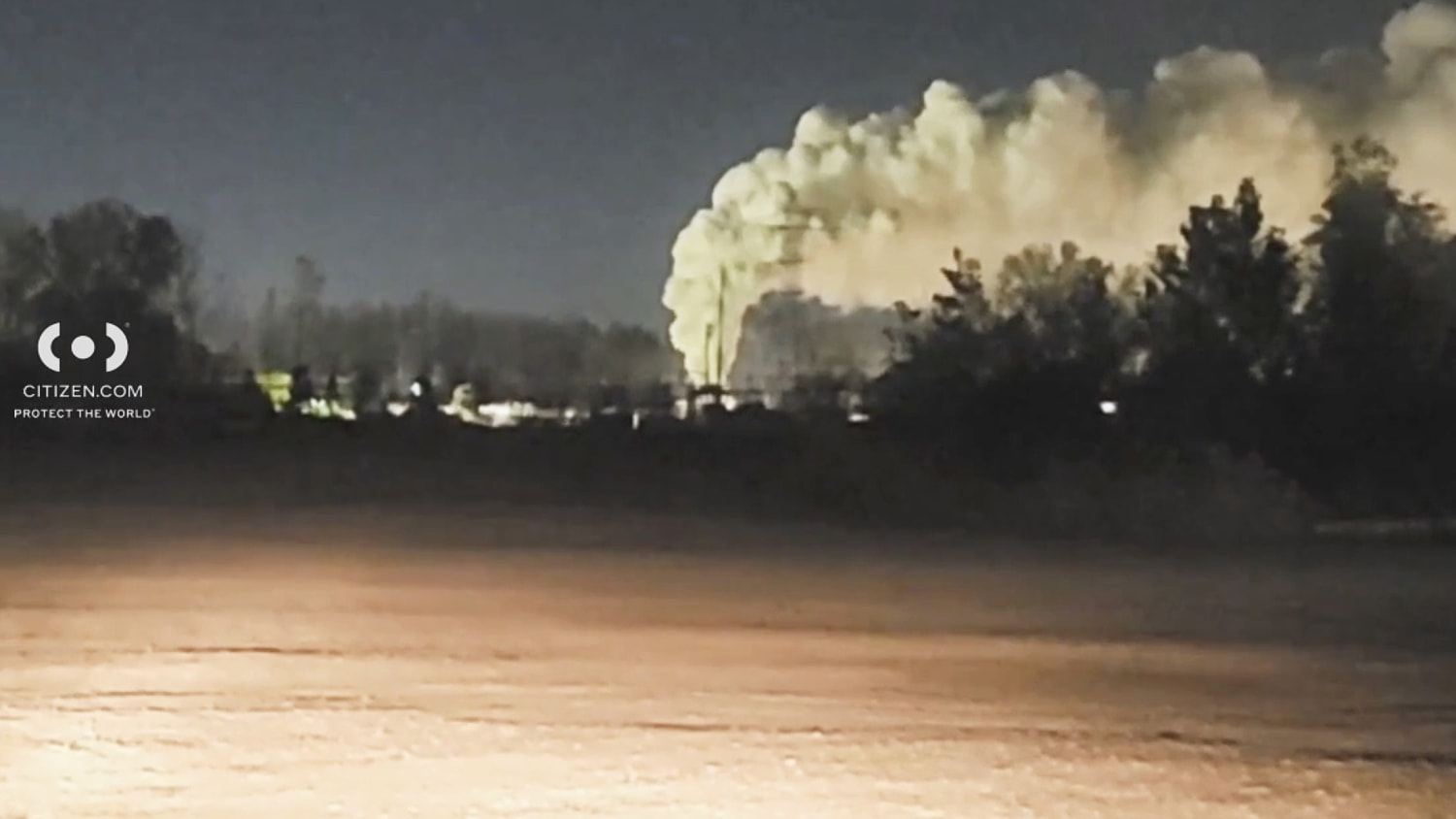
To understand why the DOJ Inspector General decision sparked so much anger, you have to look at what went wrong on the ground in Washington. Work on the Lincoln Memorial Reflecting Pool drew intense attention around the capital's celebration of America's 250th anniversary. When problems appeared with the pool's lining, public rhetoric quickly framed the issue as deliberate sabotage rather than a construction or installation headache.
By late June 2026, Trump claimed the damage amounted to a 350-foot gash made with a sharp knife or razors, even while noting that figure combined multiple smaller gashes without presenting proof. Soon after, federal authorities charged Hearn, a 67-year-old former Olympian from Bethesda, Maryland. Yet senators looking into the episode pointed to internal Interior and National Park Service emails from June 11—eight days before Hearn's arrest—that already flagged peeling in the liner.
Once the prosecution ran into reality, the government's story unraveled fast. The Justice Department moved to dismiss the charges in late summer 2026 after newly produced Interior Department evidence showed Hearn wasn't responsible for damaging the lining. Prosecutors also acknowledged that their witness couldn't tie Hearn's alleged actions to additional repair costs or compromise of the liner itself. A federal judge in Washington later permanently dismissed the case.
Still, Trump kept pushing the vandalism narrative even after his own Justice Department walked back key claims. In August 2026, he publicly criticized U.S. Attorney Jeanine Pirro for dropping the charges, saying she "choked," while insisting on Truth Social that a National Park Service employee saw Hearn ripping at the coating—even while admitting there was no video or other proof beyond the damage itself.
Why the DOJ Inspector General Refused to Investigate
Hearn's attorneys didn't ask for a slap on the wrist. They petitioned both the DOJ and Interior Department inspectors general to examine what they described as incompetence and misconduct across the investigation and prosecution, pointing to potential offenses like witness tampering, obstruction of justice, and subornation of false testimony. They also raised the explosive question of whether prosecutors rushed to indict under political pressure from the White House while ignoring exculpatory evidence already sitting inside the government.
So why did Inspector General Berthiaume decline? According to the lawyers' October 2026 letter, OIG took the position that allegations of professional misconduct by DOJ attorneys fall outside its jurisdiction and belong with OPR. In its response, the watchdog stressed that referring the matter didn't resolve the misconduct question or prejudge OPR's review.
Jurisdictionally, OIG has a real statutory boundary here. While the Inspector General has broad authority over waste, fraud, abuse, and non-attorney misconduct, misconduct allegations involving Justice Department lawyers have historically been routed to OPR. On paper, that looks like standard procedure.
In practice, critics argue that standard procedure isn't good enough when a case intersects directly with White House pressure and a dropped felony prosecution. OPR is smaller and operates with less structural independence than the Inspector General—a concern made sharper by reports that senior DOJ leadership removed OPR's head the previous year. When a defendant's team includes a former DOJ IG who knows the system inside out, pushing back on a jurisdictional handoff carries extra weight.
What People Get Wrong About Watchdog Referrals
A lot of commentary treats an IG referral like a cover-up on its face, while defenders treat it like a routine filing cabinet move. Both miss half the picture.
- Misconception 1: A referral means zero investigation will happen. Routing a complaint to OPR shifts the reviewer; it doesn't automatically kill every line of inquiry, though OPR's scope and independence differ from OIG's.
- Misconception 2: OIG can freely investigate every prosecutorial decision. Congress drew specific lines around internal DOJ oversight, which is why jurisdiction fights happen repeatedly in high-profile cases.
- Misconception 3: Dismissal of the criminal case settles accountability. Clearing a defendant in court ends the criminal jeopardy, not the separate question of whether prosecutors ignored evidence or bowed to political pressure.
Honestly, this is where ordinary people get tripped up by Washington jargon. "Outside our jurisdiction" sounds like an admission of helplessness, yet in federal oversight it's often a legal boundary line that watchdogs use to avoid turf clashes—even when the optics look terrible. What makes the Reflecting Pool saga stand out isn't just the jurisdictional split; it's the gap between what the court record showed and what kept being asserted publicly.
Why This Matters Beyond One Damaged Pool
At first glance, a dispute over a reflecting pool liner sounds almost comical—like a plot twist you wouldn't believe if it hadn't played out in federal court. Yet the stakes behind the DOJ IG decision are serious.
First, it tests how Brady and Giglio obligations—the constitutional rules requiring prosecutors to turn over favorable, material evidence to the defense—hold up when political momentum pushes toward a quick indictment. Senators pressing for an Interior IG probe pointed directly to pre-arrest emails about liner peeling and asked how that information was handled before charges were brought.
Second, it highlights the growing friction over DOJ ethics and misconduct oversight. Reporting in November 2026 noted that professional misconduct complaints against Justice Department officials have climbed by more than 50 percent over two years. When complaint volume rises at the exact moment trust in internal accountability is strained, every declined probe or referral gets put under a microscope.
Third, it shows how public narratives can outlive official walk-backs. Even after the Justice Department moved to dismiss the case and acknowledged flaws in the liner installation, arguments over witnesses, tapes, and supposed vandalism kept swirling in political commentary.
Practical Ways to Track What Happens Next
If you're following this case rather than taking headlines at face value, focus on primary records and concrete next steps rather than cable-news hot takes:
- Read the primary filings and letters. Look for full coverage of the lawyers' reconsideration request to Inspector General Berthiaume, the court dismissal orders, and formal oversight letters from members of Congress.
- Watch the Interior Department watchdog track. Because the pool is managed under the Interior Department and National Park Service, actions or disclosures involving the Interior IG and pre-arrest emails remain a key piece of the factual record.
- Separate charging conduct from political rhetoric. Keep a clear line between what prosecutors actually put in court filings, what evidence was disclosed or withheld, and what politicians say outside the courtroom.
- Check broader DOJ misconduct reporting. Watch how OPR handles referrals amid rising misconduct complaint totals and shifting congressional oversight dynamics.
Watchdog boundaries exist for a reason, but public confidence depends on whether the right office actually digs into uncomfortable facts when a prosecution falls apart.