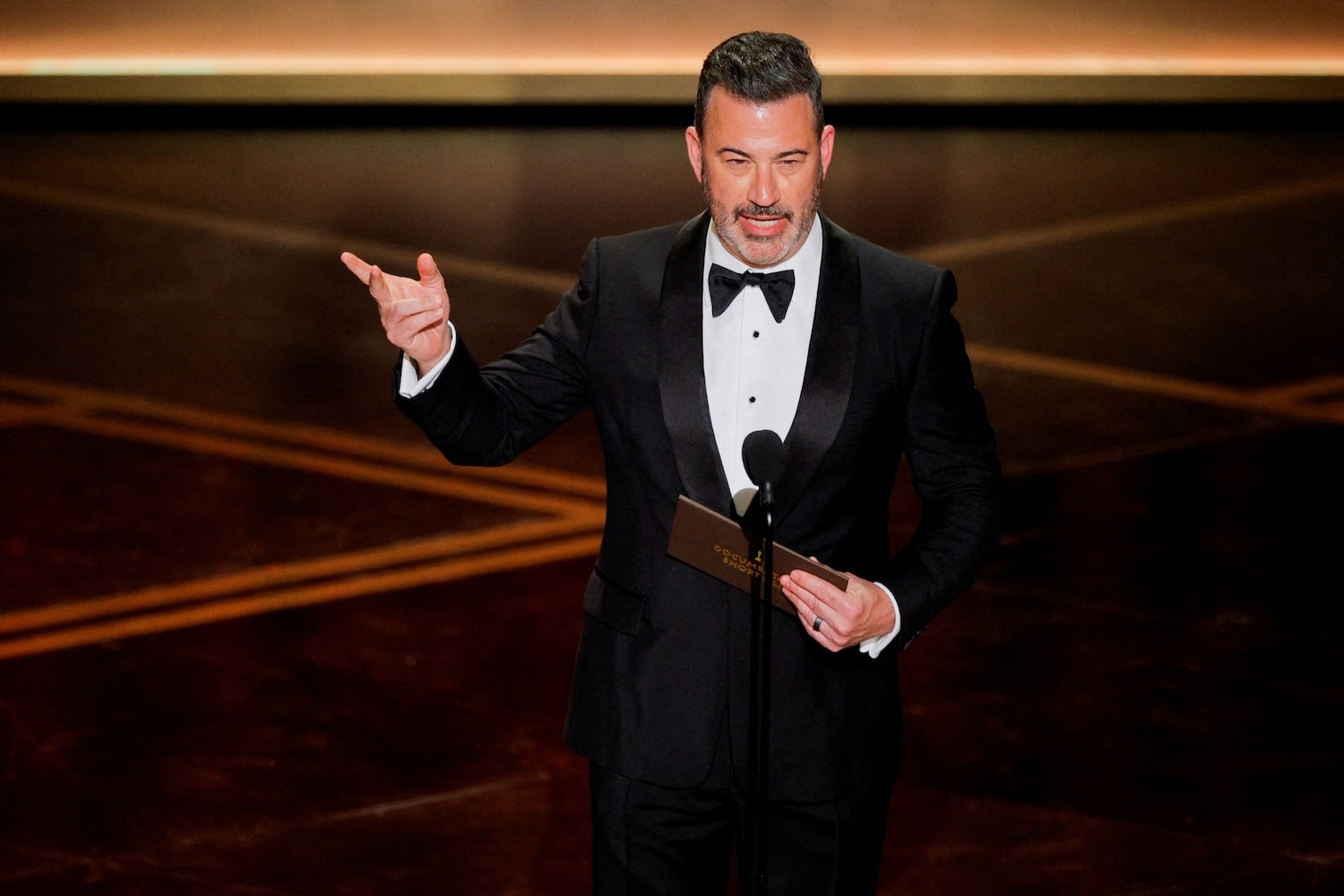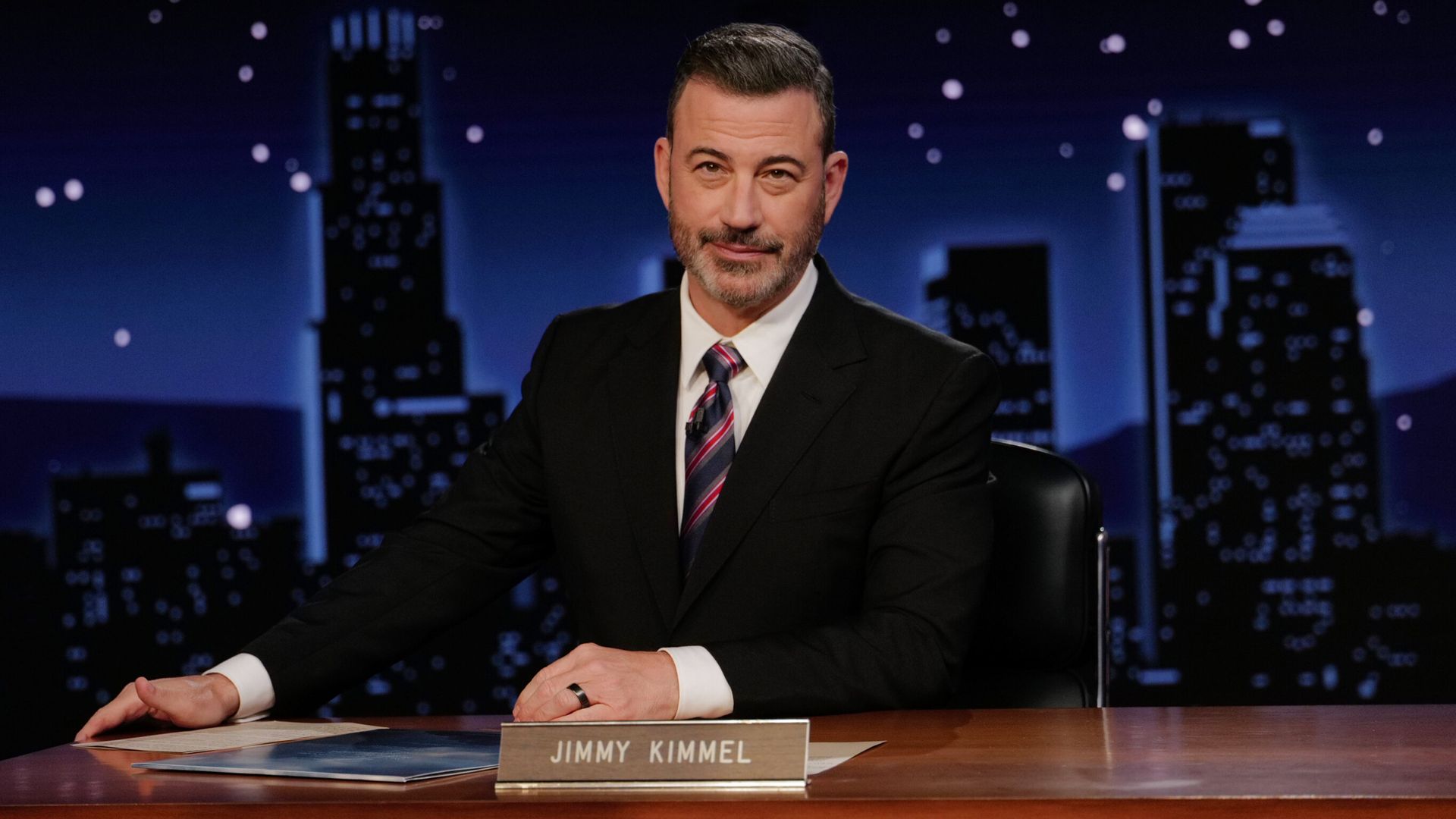
The standard media narrative surrounding Donald Trump’s demand that Jimmy Kimmel be fired for mocking Melania is a choreographed lie. It’s a script written for a public that craves a moral crusade where only a business transaction exists. Every time Trump posts a Truth Social screed calling for a late-night host’s head, and every time that host spends the first twelve minutes of their monologue dissecting the insult, a symbiotic financial engine hums to life.
You think this is a war? It’s a merger. Meanwhile, you can find related events here: The Myth of the Fallen Star and the Systemic Failure of Cultural Deification.
The "lazy consensus" argues that this is a dangerous attack on the First Amendment or a sign of a thin-skinned autocrat. That perspective is amateur hour. In reality, Trump is the most effective PR agent the late-night industry has ever had, and Kimmel is the best foil Trump could ask for to keep his base agitated and engaged. To view this as a genuine attempt to "sack" a comedian is to fundamentally misunderstand how attention operates in the modern economy.
The Mutual Dependency of Outrage
The late-night format was dying before 2016. Letterman was gone, Leno had retired, and the soft-ball celebrity interview was losing its grip on a generation that preferred Twitch streams and YouTube clips. Trump didn't just save late night; he became its primary product. To understand the complete picture, we recommend the detailed analysis by Deadline.
When Trump calls for Kimmel’s firing, he isn't trying to silence him. He’s feeding him. He knows exactly what happens next: Kimmel’s writers get a week's worth of content, the clips go viral on social media, and Trump gets to play the "victim of the elite media" to a donor base that opens their wallets every time he complains about a Hollywood liberal.
- Trump’s Win: He reinforces his brand as the outsider fighting the "fake news" machine.
- Kimmel’s Win: He secures his relevance in a fragmented media market where "clout" is more valuable than Nielson ratings.
- The Network’s Win: Ad rates for hate-watching and "resistance-watching" are remarkably stable.
If Trump actually succeeded in getting Kimmel fired, he would lose his most reliable punching bag. If Kimmel stopped making jokes about the Trump family, his ratings would fall off a cliff. They are two sides of the same coin, locked in a dance that benefits both while the audience bickers over "decorum."
The Melania Joke Fallacy
The specific catalyst—a joke about Melania Trump—is irrelevant. The media focuses on the "cruelty" or the "unnecessary" nature of the joke because that generates clicks. But the content of the joke doesn't matter to either party. To Trump, Melania is a rhetorical shield he can use to justify an offensive; to Kimmel, she is a target of opportunity that ensures a reaction.
People ask: "Should spouses be off-limits in political comedy?"
This is the wrong question. The right question is: "Why are we still pretending these are political statements rather than content strategies?"
Comedy is no longer about the punchline; it is about the "clobbering." The audience doesn't tune in to laugh; they tune in to see their "side" win a verbal skirmish. This isn't satire in the vein of Jonathan Swift; it’s professional wrestling with better lighting. When Trump demands a firing, he is playing the heel. When Kimmel doubles down, he is playing the babyface.
The Myth of the Vulnerable Host
Stop crying about the "threat to free speech." Disney—ABC’s parent company—does not care about Donald Trump’s social media posts. They care about their bottom line. A host who generates billions of impressions by feuding with a former president is unfireable.
I’ve seen how these executive suites operate. They don't look at "moral outcries." They look at engagement metrics and brand safety. As long as the feud stays within the bounds of "political friction," it’s the safest, most profitable play in the book. The idea that Kimmel’s job was ever in jeopardy is a fantasy manufactured to make the audience feel like they are part of a high-stakes drama.
In this ecosystem, Trump’s "attacks" are actually endorsements. He is signaling to his millions of followers exactly which channel they should pay attention to if they want to feel angry. Anger is the most addictive emotion in the human repertoire, and these two men are the primary dealers.
Why the "Democracy in Danger" Angle is Lazy
The most exhausting part of this cycle is the hand-wringing from media critics who claim Trump’s rhetoric is a "slippery slope" to state-controlled media.
Let’s be precise: Trump has no mechanism to fire Jimmy Kimmel. He knows this. Kimmel knows this. The viewers know this. By framing it as a constitutional crisis, the media elevates a playground spat into a national emergency, which—you guessed it—only increases the value of the "content" for both Trump and ABC.
The real danger isn't the suppression of speech; it’s the total debasement of it. When every interaction is a performance designed to trigger a fundraising email or a viral clip, the actual issues facing the country become background noise. We are being entertained to death, but the performers are laughing all the way to the bank.
The Strategy of the Perpetual Grievance
Trump’s call for a firing is a calculated move in what I call "Grievance Arbitrage."
He identifies a source of friction (the joke), magnifies it (the post), and then waits for the inevitable counter-reaction. This forces everyone in the media to take a side. You are either with "Free Speech Kimmel" or "Respectful Trump." There is no middle ground. There is no room for the realization that both are manipulating you.
If you want to actually "disrupt" this cycle, you have to stop participating in the outrage. But you won’t. Because the dopamine hit of being "right" on the internet is more important to the modern consumer than the reality of being played by two masters of the attention economy.
Disney isn't going to fire Kimmel. Trump isn't going to stop watching Kimmel. The joke wasn't about Melania, and the outrage wasn't about the joke. It was about making sure that tomorrow morning, you are still talking about them instead of anything that actually matters.
Stop looking for a hero or a villain in this story. Look for the ledger.