The Persian Gulf is currently a massive parking lot for ships, and honestly, it’s a mess. Hundreds of tankers and cargo vessels are sitting idle while the world holds its breath over Donald Trump’s latest ultimatum. We aren't just talking about a minor delay in your Amazon package. This is about global energy security, the threat of renewed conflict, and the awkward position Islamabad finds itself in. People want to know if we're heading for another 2019-style shipping crisis or something much worse.
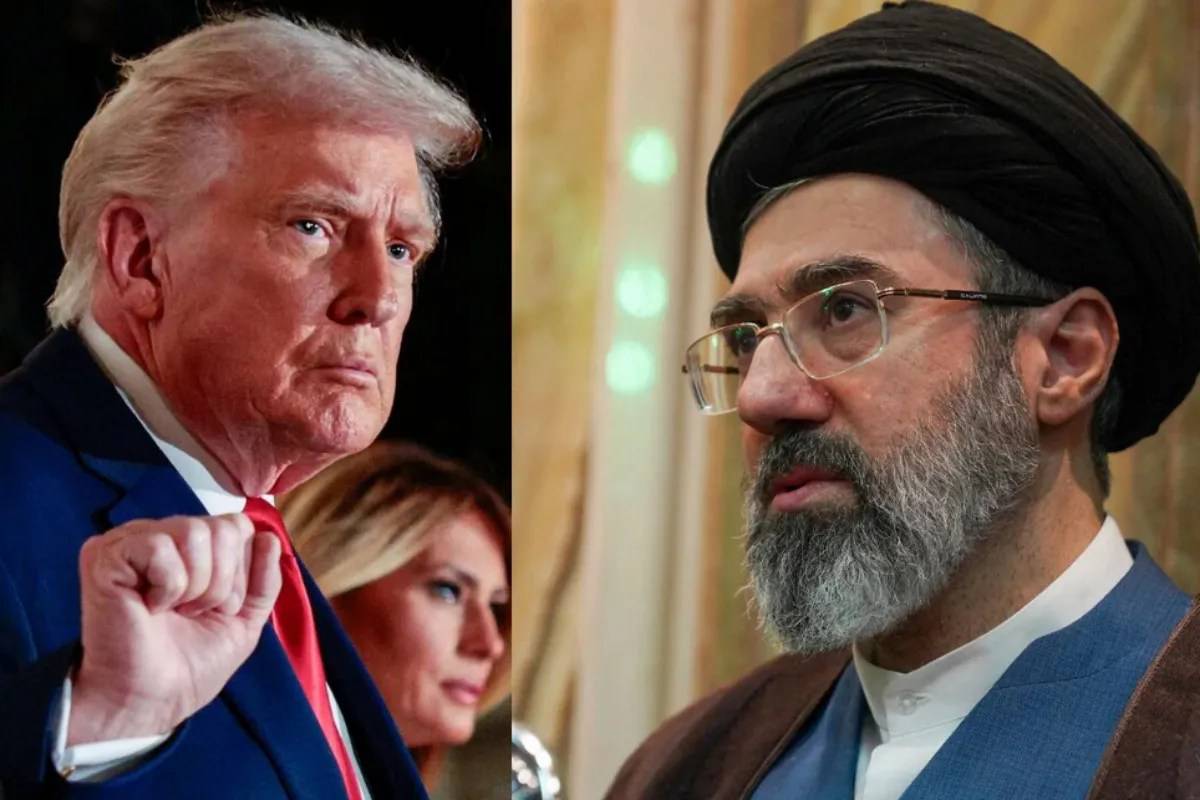
It’s easy to get lost in the noise of international politics, but the reality is simple. Trump has signaled a "final ultimatum" regarding regional stability and trade routes. If the ships don't start moving safely, the economic fallout will hit every gas station and grocery store from New York to New Delhi. This isn't just a regional spat. It's a high-stakes poker game where the cards are oil barrels and the table is the Strait of Hormuz. If you enjoyed this piece, you might want to look at: this related article.
Why Hundreds of Ships Are Stuck in the Gulf
Shipping companies don't like risk. They hate it. When the political temperature rises, insurance premiums for these massive vessels skyrocket. Currently, hundreds of ships are anchored because the cost of moving them through contested waters is simply too high. It’s a standoff. Owners are waiting for a guarantee of safety that hasn't come yet.
You’ve got a mix of oil tankers, LNG carriers, and container ships. They’re clustered near the coastlines, creating a visible line on satellite tracking maps. This logjam happens because the Strait of Hormuz is a narrow chokepoint. About a fifth of the world’s total oil consumption passes through here. When Trump issues an ultimatum, the maritime industry listens. They don't want their multi-million dollar assets caught in a crossfire. For another look on this story, refer to the recent update from NBC News.
The backlog isn't just about physical blockades. It’s about the "what if." What if a drone hits a deck? What if a crew is detained? Until there's clarity on Trump's next move, these ships aren't going anywhere fast. This bottleneck is already starting to squeeze global supply chains, and the pressure is only going to mount as the days pass without a resolution.
Trump’s Final Ultimatum and the Fear of New Chaos
Donald Trump doesn't do subtle. His latest message to regional players—specifically those seen as disrupting trade—is a "shape up or ship out" demand. He’s made it clear that the United States is willing to use its naval might to ensure "freedom of navigation," but that comes with a heavy price tag and the risk of escalation.
Is destruction coming back? That’s the big question. During his previous term, we saw the "maximum pressure" campaign. It led to seized tankers and downed drones. This time, the ultimatum feels more urgent because the global economy is in a different place. We can't afford a massive spike in oil prices. Trump knows this. He’s using the threat of military intervention as a lever, but everyone knows that if he pulls that lever, the resulting fire might be hard to put out.
The "chaos" people fear isn't just a few skirmishes. It's a total shutdown of the Gulf. If that happens, the ships currently stuck won't just be delayed—they’ll be targets. Trump’s rhetoric suggests he’s tired of the status quo. He wants a deal, or he wants a dominant presence. There's very little middle ground left in his playbook.
Islamabad’s Impossible Choice
Pakistan finds itself in a classic "between a rock and a hard place" scenario. On one hand, Islamabad needs the U.S. for financial support and military cooperation. On the other hand, they share a border with Iran and have deep, complicated ties with the Gulf monarchies. When Trump draws a line in the sand, Pakistan is expected to pick a side.
What will Islamabad do? Historically, they’ve tried to play the mediator. They don't want a war on their doorstep. A conflict in the Gulf would send millions of Pakistani workers back home, cutting off vital remittances. It would also drive up energy costs for a country already struggling with inflation. But staying neutral is getting harder.
The Pakistani leadership is likely behind closed doors right now, trying to figure out how to satisfy Washington’s demands without infuriating their neighbors. They might offer logistical support or try to facilitate back-channel talks. However, with Trump’s ultimatum being so public and so aggressive, the space for quiet diplomacy is shrinking. Islamabad might be forced to make a public declaration that will inevitably alienate someone important.
The Economic Reality of a Blocked Gulf
Let’s look at the numbers because they don't lie. When the Gulf slows down, the world pays. If 20% of the world’s oil is delayed, prices don't just go up by 20%. They jump based on fear. Speculators drive the market crazy. We’ve seen this before.
- Oil Prices: A prolonged standoff could easily push Brent Crude over $100 a barrel.
- Insurance Costs: War risk premiums for ships in the Gulf can increase tenfold overnight.
- Global Shipping: The delay in the Gulf ripples out. It means fewer ships are available in the Mediterranean or the Pacific, driving up freight rates everywhere.
This isn't just about the ships you see on the news. It’s about the plastic in your phone, the fuel in your car, and the fertilizer for the food you eat. Everything is connected to these shipping lanes. Trump’s ultimatum is basically a threat to the global price tag of living.
How This Ends Without Total Collapse
There are a few ways this tension breaks. The most optimistic path is a sudden diplomatic breakthrough—a "grand bargain" that Trump loves to talk about. This would involve regional players agreeing to new maritime security protocols in exchange for some level of sanctions relief or security guarantees. It’s a long shot, but it’s the only way to get those ships moving without a fight.
Another path is the "show of force." The U.S. and its allies could start escorting every single tanker through the Strait. This would clear the backlog but keep the tension at a boiling point. It only takes one mistake for an escort mission to turn into a naval battle.
The ships sitting in the Gulf right now are a physical manifestation of a world in limbo. They are waiting for a signal. If the ultimatum results in a deal, the world sighs in relief. If it results in a strike, those ships will be the first casualties of a new era of instability.
Watch the insurance markets. When they start to lower their rates, you'll know the danger has passed. Until then, keep an eye on the satellite maps. Those hundreds of dots in the water tell the real story of where we're headed. If you're involved in trade or logistics, now is the time to look for alternative routes or brace for a very expensive quarter. The situation is volatile, and the "finality" of Trump's ultimatum suggests a resolution—one way or another—is coming within weeks, not months. Prepare for volatility in energy stocks and shipping domestic prices immediately. Avoid long-term contracts that don't have "force majeure" clauses related to regional conflict. The next move is likely a tactical one, so stay informed on naval movements in the region through reliable maritime news outlets like Lloyd's List or gCaptain.