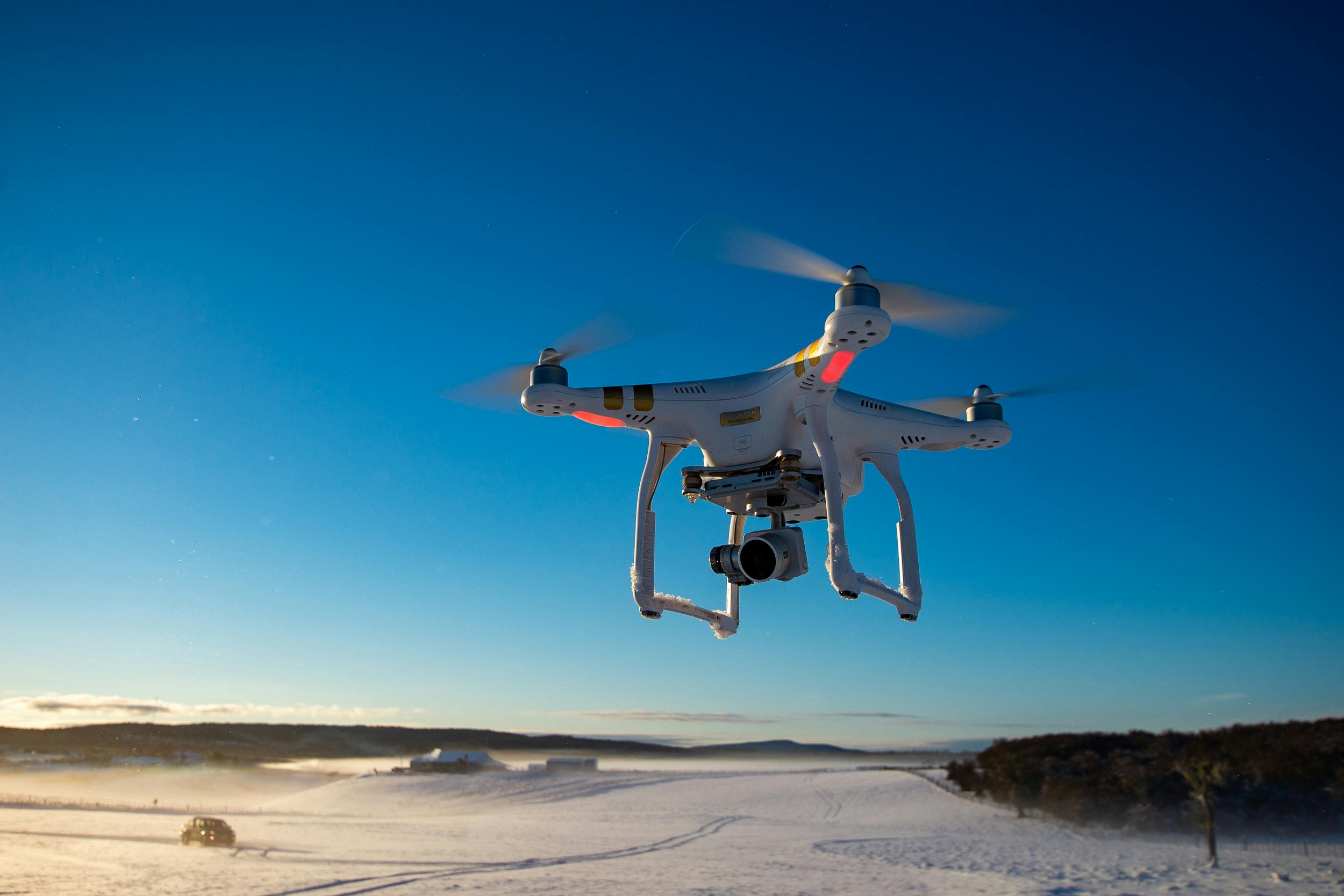
A pair of synchronized Hezbollah drone strikes in southern Lebanon has left ten Israeli soldiers wounded, including Colonel Meir Biderman, commander of the elite 401st Armored Brigade. The strikes expose a systemic vulnerability in Israel's northern campaign: cheap, low-altitude commercial technology is successfully bypassing sophisticated air defense grids to systematically target high-value command structures. Despite massive aerial bombardment and deep ground incursions designed to clear the border zone, the Israel Defense Forces (IDF) are facing an agile, decentralized drone doctrine that neutralizes traditional armor superiority and disrupts command stability at the highest tactical levels.
The Decapitation Strategy at Close Range
The wounding of Colonel Biderman in the border village of Debel marks the most significant high-ranking casualty since the escalation on the northern front. Biderman, 41, suffered severe head injuries and underwent emergency brain surgery after a Hezbollah explosive First-Person View (FPV) drone struck the building where his command element was operating. A reserve lieutenant colonel from the 162nd Division and a non-commissioned officer were also wounded in the same blast.
Hours later, a separate explosive drone targeted another Israeli position in the western sector of southern Lebanon, severely wounding a female combat soldier and injuring six others.
This is not an isolated tactical mishap. It follows a deliberate pattern of targeting Israeli field headquarters. Biderman himself took over the 401st Brigade in October 2024 after his predecessor, Colonel Ahsan Daksa, was killed by an explosive device during operations in northern Gaza. The recurrence of top-tier command casualties demonstrates that proximity to the front lines, once a hallmark of the IDF’s hands-on leadership style, has become an acute liability in an era of ubiquitous aerial surveillance.
The Tech Defeating Iron Dome
Military analysts tracking the border conflict point to a profound technical shift. Hezbollah has increasingly deployed fiber-optic guided FPV drones. These platforms fly low, using a physical spool of micro-fiber optic cable rather than traditional radio frequencies to transmit video signals and receive pilot commands.
The implications for modern electronic warfare are severe:
- Immunity to Jamming: Traditional radio-frequency jammers and GPS spoofers, which form the backbone of Israeli electronic counter-measures, are completely ineffective against a physical wire connection.
- Zero Electronic Signature: The drone does not emit an RF signature that automated early-warning systems can detect and track before launch.
- Precision Target Selection: Rather than relying on pre-programmed coordinates, a pilot 20 kilometers away can actively steer the drone through a window or into a specific bunker enclosure, neutralizing the protection of standard armored command vehicles.
Because these consumer-grade components fly below the minimum radar cross-section thresholds of the Iron Dome and multi-tiered air defense batteries, local troops are often left with seconds to react. The reliance on manual spotters and improvised physical netting has proved insufficient against coordinated, multi-directional drone salvos.
Operational Friction on the Ground
The tactical reality on the ground contradicts official narratives of a severely diminished adversary. While the Israeli Air Force continues to strike deep into Lebanon, targeting weapons storage facilities embedded in civilian infrastructure, Hezbollah’s decentralized "martyrdom squads" operate out of highly concealed, underground launch positions that require minimal logistical footprints.
The threat of ubiquitous FPV drones has fundamentally altered how Israeli forces advance. Large armor columns and centralized field command posts have become high-risk targets. Instead, the IDF is forced to move in smaller, dispersed units, slowing the operational tempo and limiting the depth of exploitation into Lebanese territory.
Furthermore, the prolonged campaign is exposing internal friction within the ranks. Concurrently with the drone strikes, the IDF confirmed it is investigating a reserve battalion commander for unauthorized looting after troops allegedly transported a heavy civilian generator out of southern Lebanon into Israel. Coming less than a month after Chief of Staff Lt. Gen. Eyal Zamir warned that such disciplinary breakdowns "stain the entire IDF," the incident points to growing fatigue and oversight challenges in a multi-front war that shows no signs of a clean political resolution.
The temporary replacement of Colonel Biderman by his reserve chief of staff ensures continuity of operations for the 401st Brigade. However, swapping personnel does nothing to solve the broader structural crisis. As long as off-the-shelf drone technology can reliably penetrate tactical headquarters and bypass multi-billion-dollar air defense networks, Israel's ground strategy in Lebanon will remain an expensive, attritional battle against an enemy that needs only a fiber-optic cable and an unjammed view of the sky to stall an entire armored division.


