The recent guilty plea of Salman Khalid, a Pakistani national operating in the United States, exposes a sophisticated illicit supply chain that bridges the gap between labor surplus in South Asia and the high-demand "glamour" sectors of the West. While media accounts focus on the $40,000 fee per individual, a structural analysis reveals that this is not merely a crime of transport, but a high-risk logistics business defined by debt bondage, regulatory arbitrage, and the exploitation of the "Dunki" route.
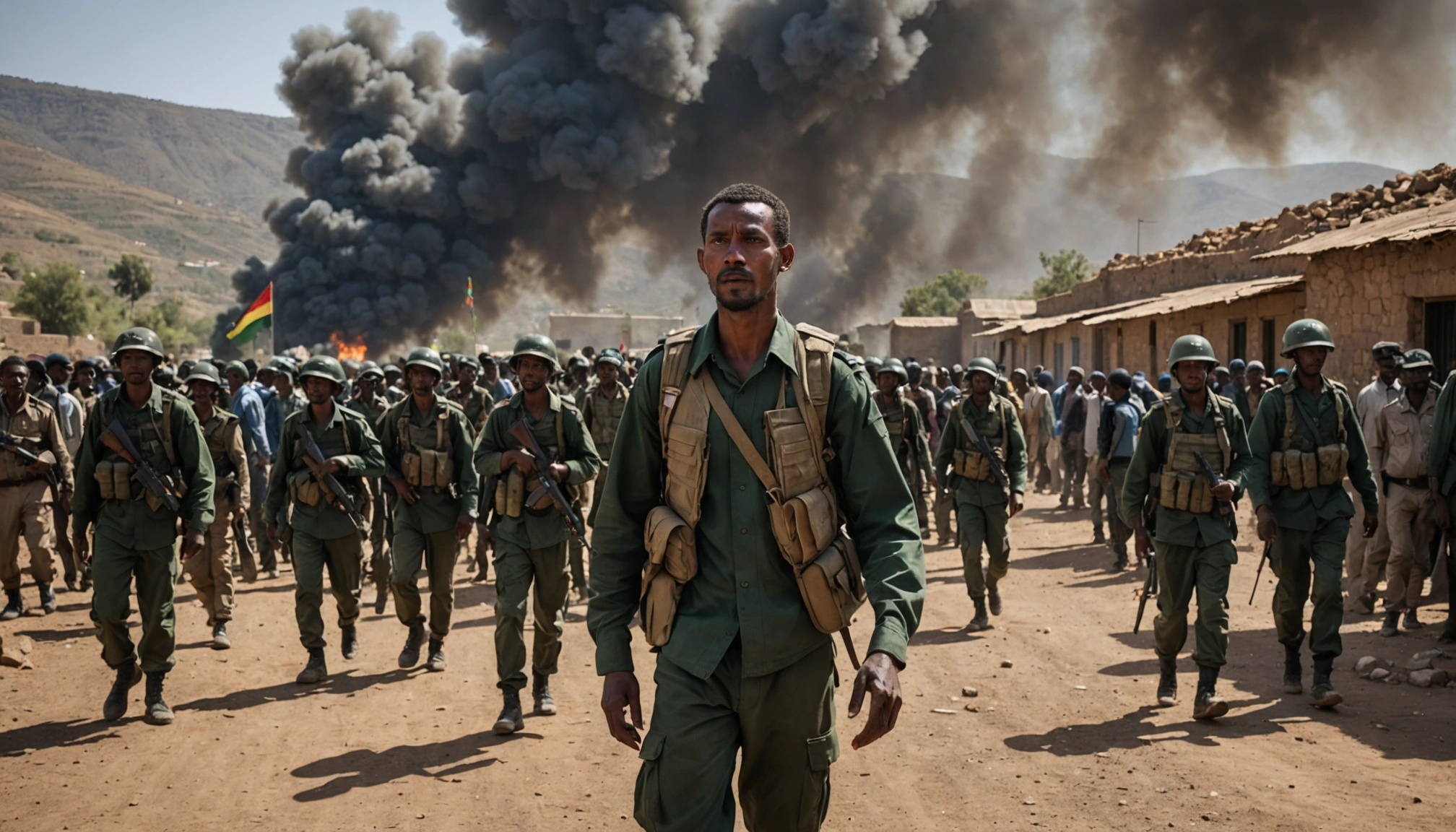
The "Dunki" route represents a multi-modal, multi-continental logistics framework. It leverages weak border controls in South and Central America to facilitate illegal entry into the United States. Khalid’s operation specifically targeted individuals seeking work in the film and media industries, indicating a niche-market approach to smuggling that commands higher premiums than general labor migration.
The Cost Structure of Illicit Transit
The $40,000 price tag identified in federal court filings is a significant outlier compared to standard migration costs. To understand this valuation, the fee must be deconstructed into its operational components. In any high-risk illicit enterprise, the price is a function of three variables:
- Logistics and Intermediaries: This includes the procurement of fraudulent travel documents, transit through multiple "safe houses," and the payment of local "coyotes" or guides across various borders.
- Regulatory Arbitrage: Smugglers exploit the delta between different nations' visa requirements. For example, using countries with lenient entry requirements for South Asian nationals as a staging ground for the final trek toward the U.S. border.
- The Risk Premium: The primary driver of the $40,000 fee is the legal and physical risk. The smuggler must account for the high probability of asset seizure, legal defense costs, and the "danger pay" required for operatives at every hand-off point.
The financial model of these organizations often mirrors venture capital: high failure rates on individual "shipments" are offset by the massive margins on successful ones. However, unlike legitimate logistics, these networks often employ Debt-Based Coercion. Families in the country of origin often liquidate assets or take high-interest loans from the smuggling network itself to pay the upfront costs, creating a cycle of indentured servitude that continues long after the individual reaches their destination.
The Psychology of the Niche Market
Khalid’s focus on "film work" is a strategic marketing tactic. By framing the illegal entry as a career-advancement opportunity in a high-status industry, the network justifies a premium price. This targets a demographic that is slightly more affluent than the desperate economic migrant—individuals who can liquidate $40,000 in assets or credit.
The promise of working in the arts or media serves two purposes for the smuggler:
- Reduced Resistance: The migrant is less likely to cooperate with authorities if they believe they are on the cusp of a "dream career."
- Higher Lifetime Value: A migrant entering a specialized field has a theoretically higher earning potential, making them a more reliable target for ongoing extortion or "protection" fees.
Systematic Vulnerabilities in Border Security
The success of the Dunki route highlights the "Sieve Effect" in international border policy. When one path is closed, the pressure of migration doesn't dissipate; it redirects to the point of least resistance.
The Transit Pipeline Mechanics
The journey typically begins with a flight to a South American or Caribbean nation with a low barrier to entry. From there, the movement becomes terrestrial. The "clandestine transit" phase involves moving groups through the Darien Gap—a lawless stretch of jungle between Colombia and Panama.
The logistical complexity of moving individuals through these zones requires a decentralized command structure. Khalid’s role was that of a Hub Coordinator. He likely did not guide individuals through the jungle himself but instead managed the financial flows and the hand-offs between localized gangs and specialized transporters. This compartmentalization protects the "Kingpins" of the organization; if a local guide is arrested, the Hub Coordinator remains insulated.
Quantifying the Legal Fallout
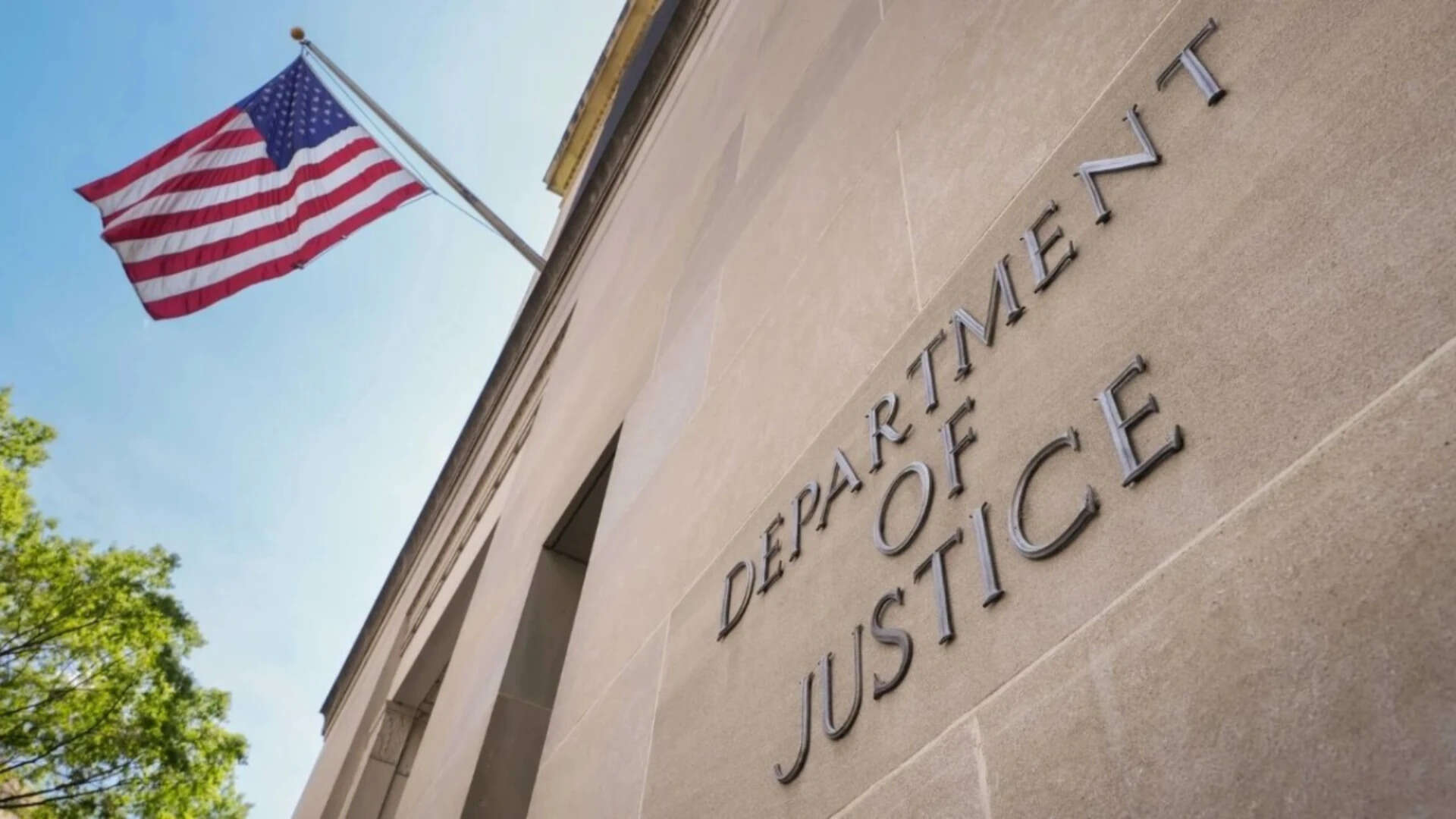
Khalid’s guilty plea to conspiracy to bring an alien to the U.S. and to encourage/induce an alien to enter for financial gain carries significant weight in the federal sentencing guidelines. The prosecution's ability to prove the $40,000 fee transforms the case from a simple immigration violation into a major racketeering and human trafficking offense.
The legal mechanism used here—18 U.S.C. § 1324—is designed to target the profit motive. By focusing on the "financial gain" aspect, federal investigators can utilize anti-money laundering (AML) statutes to seize assets, effectively decapitating the financial head of the smuggling cell.
However, the limitation of this strategy is the "Hydra Effect." Because these networks are decentralized and based on high-demand market forces, the removal of one coordinator like Khalid often creates a vacuum that is rapidly filled by a competitor. The infrastructure—the safe houses, the corrupted officials, and the document forgers—remains in place.
The Strategic Shift in Human Smuggling
The evolution of the Dunki route from a general migration path to a specialized, high-fee service for specific industries indicates a professionalization of the industry. We are seeing a transition from "mom-and-pop" smuggling operations to Transnational Criminal Enterprises (TCEs) that operate with the efficiency of a multinational corporation.
Key indicators of this shift include:
- Targeted Recruitment: Using social media platforms like TikTok and Telegram to target specific professional groups in Pakistan and India.
- Financial Complexity: Utilizing Hawala systems or cryptocurrency to move the $40,000 fees, making the paper trail nearly impossible for Western banks to track via standard "Know Your Customer" (KYC) protocols.
- Operational Security (OPSEC): The use of encrypted messaging and burner identities to manage the movement of migrants in real-time.
The Failure of Current Deterrence Models
The reliance on physical barriers and increased patrol presence fails to address the underlying economic engine of the Dunki route. As long as the Earning Power Differential between the country of origin and the United States remains vast, individuals will continue to view a $40,000 "investment" as a rational, albeit dangerous, economic move.
Standard deterrence models assume a "rational actor" who is deterred by the risk of arrest. However, for many on the Dunki route, the risk of remaining in a stagnant economy with no upward mobility outweighs the 10-15% chance of being intercepted and deported.
Strategic Assessment of Network Disruption
To effectively combat these high-value smuggling operations, the strategy must move beyond individual arrests and toward Network Topology Disruption.
The most effective lever is not the border, but the Financial Clearinghouse. If the ability to move $40,000 across borders is compromised, the logistical chain collapses. This requires:
- Aggressive Hawala Monitoring: Increased intelligence sharing with South Asian financial authorities to identify the "pools" of capital where smuggling fees are collected.
- Digital Identity Integrity: Strengthening the biometric and digital security of transit-country visas to prevent the "stepping stone" strategy used in the Dunki route.
- Industry-Specific Audits: In the Khalid case, the "film work" cover suggests a need for stricter verification of work-related sponsorship in the entertainment sector to prevent "front" companies from facilitating illegal entry.
The prosecution of Salman Khalid is a tactical victory, but the structural integrity of the Dunki route remains robust. Future enforcement must prioritize the neutralization of the financial coordinators who bridge the gap between South Asian capital and Western labor markets.
Organized crime in the migration space is no longer a matter of hidden trucks; it is a sophisticated, high-fee service industry that requires a sophisticated, data-driven counter-strategy. The focus must shift from the migrant at the border to the ledger in the coordinator’s office.