In the quiet, wood-paneled corridors of global diplomacy, silence often carries more weight than a shouted declaration. When the world’s most powerful leaders gather this June, the air will be thick with the scent of expensive espresso and the heavy, invisible pressure of a changing tide. The guest list for the G7 summit is out. It reads like a strategic map of a future that is being built in real-time. India is coming. South Korea is coming. Brazil and Kenya have their seats reserved.
But one name is missing. One giant remains uninvited.
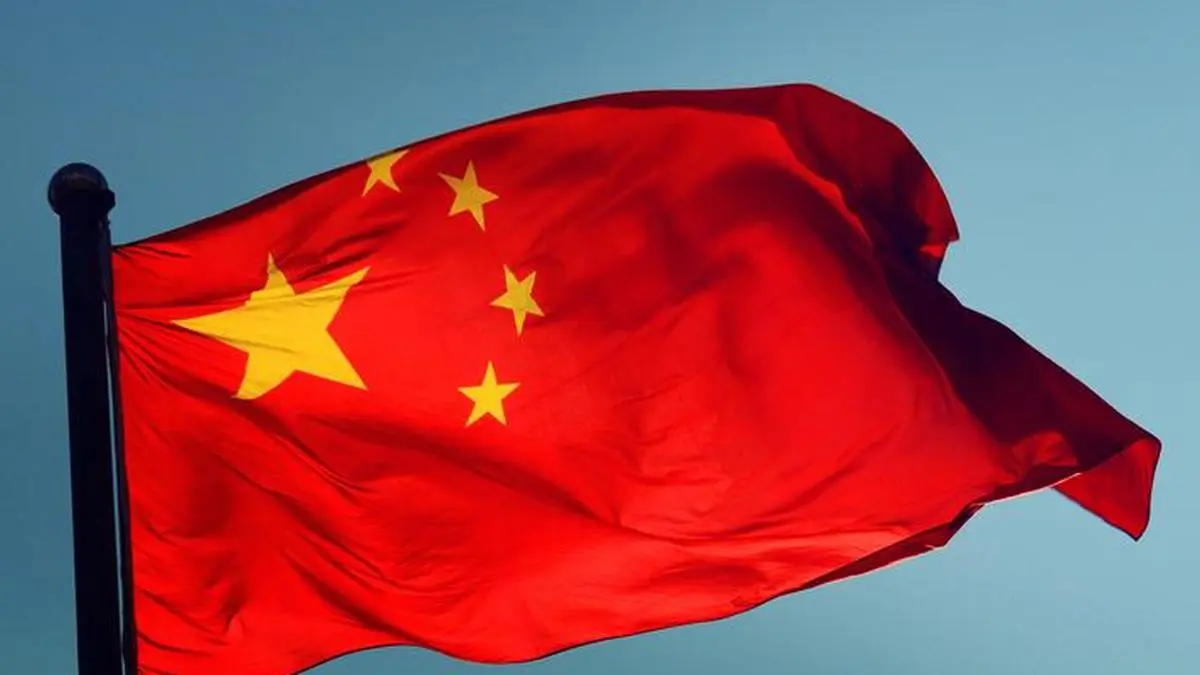
China will not be there.
To understand why this matters, you have to look past the dry press releases and the formal handshakes. Imagine a dinner party where the host invites the rising stars of the neighborhood, the ambitious newcomers, and the reliable old friends, but pointedly ignores the tycoon who owns the utility company and half the local real estate. It isn't just a snub. It is a statement of intent.
The New Architecture of Power
For decades, the Group of Seven—the United States, Japan, Germany, France, the UK, Italy, and Canada—functioned as a sort of global board of directors. They held the keys to the financial kingdom. When they spoke, the markets listened. When they moved, the world shifted. But the old walls are thinning. The G7 no longer represents the undisputed center of gravity.
Enter the "Plus" factor.
The invitation to India is not a courtesy. It is a necessity. India is no longer just a "developing nation" tucked away in a briefing folder; it is the world’s most populous country and a burgeoning tech superpower. When Prime Minister Narendra Modi walks into that summit room, he isn't just representing a billion people. He is representing the bridge between the West and the Global South.
Consider a hypothetical small-scale business owner in Nairobi named Samuel. Samuel runs a logistics firm. For years, his growth was tied to high-interest loans from overseas powers that often came with heavy political strings. Now, as Kenya joins the conversation at the G7 table, Samuel’s world changes. The presence of President William Ruto at the summit means that Kenya’s economic hurdles—debt distress, green energy transitions, and digital infrastructure—are no longer "local issues." They are agenda items for the wealthiest nations on Earth.
This is the human element of a summit. It is about whether Samuel can get a fair interest rate. It is about whether a software engineer in Seoul can collaborate on AI ethics with a developer in Berlin. It is about the friction of a world trying to decide who leads and who follows.
The Ghost at the Table
The absence of Beijing is the loudest part of the room. You can feel it in the way the leaders will talk about "supply chain resilience" and "economic coercion." These are the polite, diplomatic code words for a singular reality: the West is trying to figure out how to live with—and without—China.
In a small factory in Ohio, a floor manager named Sarah watches the news while checking her inventory. She knows that a single maritime dispute in the South China Sea can delay her raw materials by six months. To Sarah, the G7 summit isn't about grand philosophy. It’s about whether her assembly line stays moving. The decision to exclude China from these specific talks is a signal to Sarah and thousands like her that the G7 is looking for alternatives. They are looking to Brazil for minerals. They are looking to India for manufacturing. They are looking to South Korea for the high-end chips that power everything from her smartphone to the diagnostic machines in her local hospital.
This isn't just about trade. It is about the "de-risking" of the human experience.
A Multipolar Breakfast
The inclusion of Brazil’s Lula da Silva adds a layer of complexity that keeps diplomats awake at night. Brazil is a founding member of BRICS—a group that includes China and Russia and has often positioned itself as the counterweight to G7 influence. By bringing Brazil into the G7’s orbit this June, the host is attempting to bridge a growing divide.
The strategy is simple: don't let the world split into two rival blocks. If Brazil is at both tables, the conversation doesn't end with a walkout. It becomes a bridge.
Is it confusing? Yes. It is messy, and it is a delicate dance of ego and interest. You have the G7 leaders trying to maintain a grip on a world that has outpaced their old blueprints. You have Brazil and Kenya trying to navigate the space between giants. And you have China watching from the sidelines, its absence a form of presence that cannot be ignored.
The Real Stakes
The G7 is often accused of being a "talking shop." Critics will say they meet, they eat, they take a photo, and they go home. But look closer at the agenda. This summit is about who controls the next generation of energy. It is about who writes the rules for artificial intelligence. It is about whether Samuel in Nairobi gets a fair shake at the global market or whether he is forever a footnote in a larger power play.
The decisions made in these rooms ripple through the life of Sarah in Ohio and the software engineer in Seoul. They determine whether the world stays open or pulls its shutters down.
When the leaders finally sit down this June, the empty chair where China might have been will be the most discussed topic of all. It is a symbol of a world that is no longer one big happy family, if it ever was. It is a world of alliances, and of the brave new players who are stepping into the spotlight to claim their place at the table.
The lights will flicker. The cameras will flash. The communiqué will be signed. And the silence from the East will continue to echo.