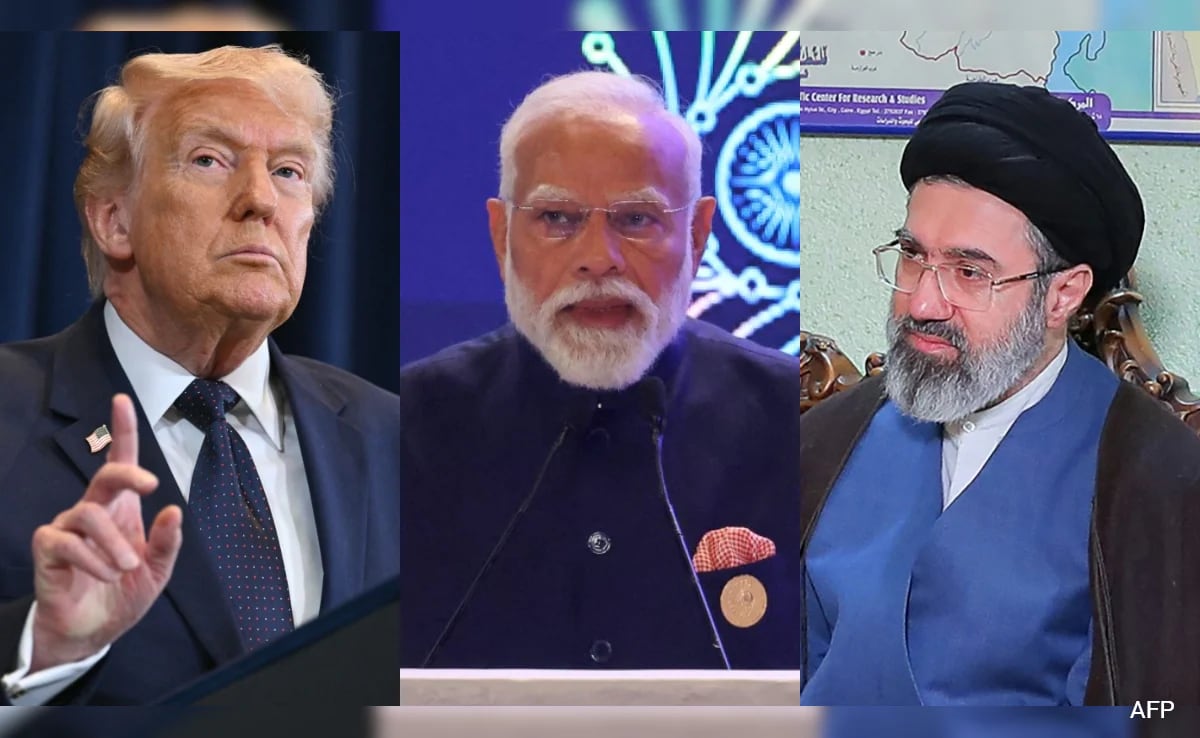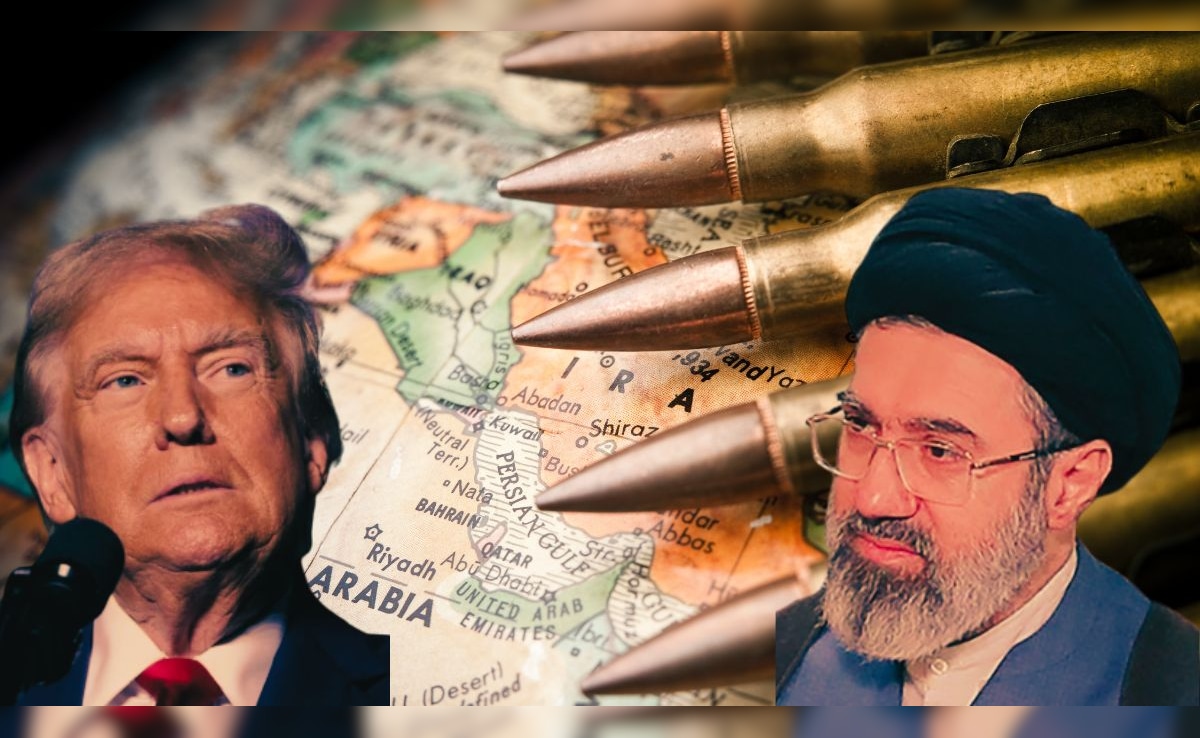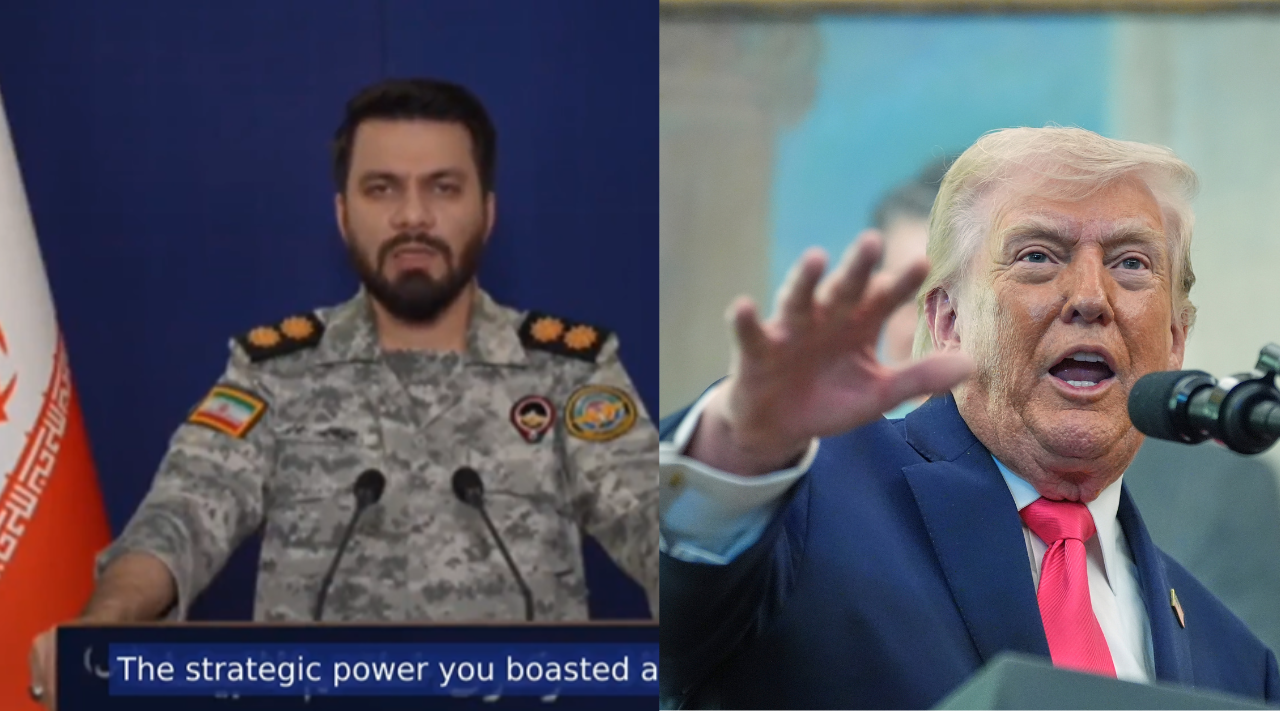
The recent diplomatic sparring between Washington and Tehran has devolved into a redundant cycle of performative hostility that serves domestic audiences while leaving the actual geopolitical friction points untouched. When Iranian officials mock the United States for "negotiating with itself," they are pointing to a structural failure in modern diplomacy where the appearance of activity replaces the substance of engagement. This isn't just about a specific administration or a single leader; it is about a fundamental breakdown in how global powers signal intent and resolve.
The core of the current stalemate lies in the transition from traditional statecraft to what can be described as public-facing brinkmanship. By announcing unilateral terms and expecting a baseline of compliance before a single envoy enters a room, the United States often creates a vacuum. Iran has filled this vacuum with a specific brand of rhetorical defiance, framing every American policy shift as a desperate attempt to dress up a strategic defeat as a mutual agreement. This creates a feedback loop where no progress is possible because neither side can afford the domestic political cost of being seen as the one who blinked first.
The Mechanics of Diplomatic Isolation
True diplomacy requires two parties willing to risk something for a specific gain. Currently, the movement on both sides is purely lateral. The "negotiating with yourself" critique is particularly stinging because it highlights a recurring Western tendency to build elaborate frameworks for deals that the other party has already rejected. It is the equivalent of a chess player moving pieces for both black and white, then claiming victory when their preferred side wins.
This isolationist approach to negotiation is not a byproduct of incompetence, but rather a calculated move to satisfy internal hardliners. For a U.S. President, showing "strength" often means refusing to sit at the table until every demand is met. For the Iranian leadership, "resistance" means dismissing every American overture as a trick or a sign of weakness. The result is a frozen conflict where the only things that move are the goalposts.
When the United States pulls out of multilateral agreements or imposes "maximum pressure" campaigns, the intent is to force the opponent to the table in a weakened state. However, history shows that ideological regimes often respond to pressure by narrowing their internal circle and increasing their external aggression. Instead of a weakened negotiator, you get a cornered one. A cornered opponent does not negotiate; they lash out.
Why Slogans Are Outpacing Strategy
In the halls of power in Tehran, the mockery of American "self-negotiation" serves a vital purpose. It reinforces the narrative that the West is incoherent and declining. Every time a U.S. official outlines a "new deal" that contains the same old friction points, Iranian state media treats it as a comedy routine. This isn't just a PR win for the Islamic Republic; it is a way to maintain internal cohesion during periods of intense economic strife. If the enemy is viewed as delusional, their sanctions feel less like a strategic siege and more like the irrational lashing out of a fading power.
On the American side, the rhetoric is often just as disconnected from reality. Foreign policy has become a sub-genre of campaign messaging. Policies are crafted to look good on a twenty-four-hour news cycle, regardless of whether they have a chance of being implemented. This leads to the "dressing up defeat" phenomenon. When a policy fails to produce the desired regime change or behavioral shift, the failure is rebranded as a "voluntary strategic pivot" or a "tightening of the noose."
The Intelligence Gap in Proxy Wars
While the rhetoric stays loud, the actual movements on the ground tell a more complex story. The real danger isn't the exchange of insults between capitals, but the miscalculation of proxy forces in Iraq, Syria, and Lebanon. While diplomats are busy mocking each other, the commanders on the ground are operating in a gray zone where one misstep can trigger a hot war that neither Washington nor Tehran actually wants.
The "negotiating with yourself" dynamic prevents the establishment of the very de-confliction channels needed to prevent such an escalation. If you aren't talking, you aren't listening. If you aren't listening, you are guessing. In the Middle East, guessing is a lethal exercise.
The current environment has created a marketplace for "phantom deals"—agreements that exist only in the minds of the people proposing them. These proposals are usually loaded with "poison pills" designed to be rejected, allowing the proposer to claim they tried for peace while the other side chose war. It is a cynical cycle that has characterized the last decade of trans-Atlantic relations regarding the Persian Gulf.
The Illusion of Pressure and the Reality of Resilience
The "Maximum Pressure" campaign was built on the premise that the Iranian economy would collapse, forcing the leadership to choose between survival and their nuclear program. Years later, the economy has certainly suffered, but the leadership remains entrenched. The mistake was assuming that economic pain leads directly to political concession. In many ways, it has done the opposite. It has allowed the state to nationalize more of the economy and crush the moderate factions that previously argued for engagement with the West.
By refusing to engage in genuine give-and-take, the U.S. effectively silenced the only people in Iran who were willing to listen. Now, the conversation is dominated by those who view any agreement as a betrayal. This is the "defeat" that the critics mention—not a military loss, but a total loss of diplomatic leverage. You cannot leverage a threat that the other side has already lived through and survived.
The Iranian mockery of Trump—and by extension, the broader American establishment—is a signal that they have adjusted to the "new normal" of permanent sanctions. They are no longer waiting for the sanctions to be lifted; they are building a "resistance economy" designed to function in spite of them. This shift makes future negotiations even harder, as the incentives for Iran to return to the table are diminishing. They have already paid the price of non-compliance, so they feel they might as well keep the benefits of their nuclear and regional ambitions.
Hardliners on Both Sides of the Atlantic
It is a mistake to view this solely as a Washington versus Tehran issue. There is a secondary conflict happening within the Western alliance. European powers often find themselves caught in the middle, trying to maintain the remains of previous agreements while their primary ally actively sabotages them. This friction provides Tehran with even more ammunition. They don't just mock the U.S. for negotiating with itself; they mock the U.S. for alienating its own partners.
This creates a fragmented front. When the West is not united, the pressure is not maximum; it is merely annoying. To a regime that measures its survival in decades and centuries, an "annoying" superpower is one that can be outwaited. They are waiting for the next election cycle, the next shift in American public opinion, and the next internal crisis that draws Washington's attention away from the Levant.
Beyond the Rhetorical Smoke
The reality of the situation is that neither side is actually seeking a "grand bargain" anymore. The goal has shifted to "managed instability." Both sides are comfortable with a certain level of tension because it justifies their respective budgets and political stances. The "negotiating with yourself" dig is a way for Iran to signal that they see through this charade. They know the offers being made are not serious, so they respond with a lack of seriousness.
To break this cycle, there must be a move away from public ultimatums. Real progress in the history of U.S.-Iran relations—rare as it is—has always happened in the shadows, far away from the cameras and the social media feeds. The moment a negotiation becomes a public spectacle, it ceases to be a negotiation and becomes a performance.
If the United States wants to stop "negotiating with itself," it must first decide what it is actually willing to live with. Is the goal the total capitulation of the Iranian state, or is it a limited agreement on specific security concerns? If it is the former, then there is no negotiation to be had, only a long, slow grind toward a conflict that has no clear winner. If it is the latter, then the rhetoric of "maximum pressure" and "total defeat" must be replaced by the boring, incremental, and often frustrating work of traditional diplomacy.
The "defeat" being dressed up as agreement is the realization that the old tools of hegemony are no longer producing the old results. The world has changed, and the ability of one nation to dictate the internal behavior of another through sheer economic force is waning. Tehran’s mockery is more than just a dig; it is an observation of a superpower struggling to adapt to a multipolar reality where "no" is a valid answer.
True leverage is not the ability to destroy an opponent’s economy, but the ability to offer them a path that they actually want to take. Without that, you are just shouting into a room you’ve already locked from the outside.
Stop looking for the breakthrough in the headlines and start looking for it in the quiet, unpublicized meetings between low-level functionaries that deal with the mundane reality of borders, water rights, and maritime safety. That is where the theater ends and the statecraft begins.
Would you like me to analyze the specific economic data of the "resistance economy" to see how Tehran is actually funding its regional proxies despite the sanctions?