The grass is a green so vivid it looks synthetic under the floodlights, a stage set for a drama that only happens once every four years. For a kid in Mexico City, a father in Manchester, or a dreamer in Casablanca, the World Cup isn't a tournament. It is a pilgrimage. But as the 2026 matches approach, that pilgrimage is beginning to look less like a shared human experience and more like an exclusive auction for the ultra-wealthy.
Consider a hypothetical fan named Mateo. He lives in a modest apartment in New Jersey, within driving distance of the stadium where the final will be played. He has saved for three years, tucking away fifty dollars here and twenty dollars there, hoping to buy two tickets—one for him and one for his daughter. He wants her to see the magic, to feel the ground shake when a goal is scored. But when Mateo finally logs into the portal, he finds that a single seat in the upper deck, where the players look like flickering ants, costs more than his monthly rent.
He closes his laptop. The magic is gone. It was replaced by a spreadsheet.
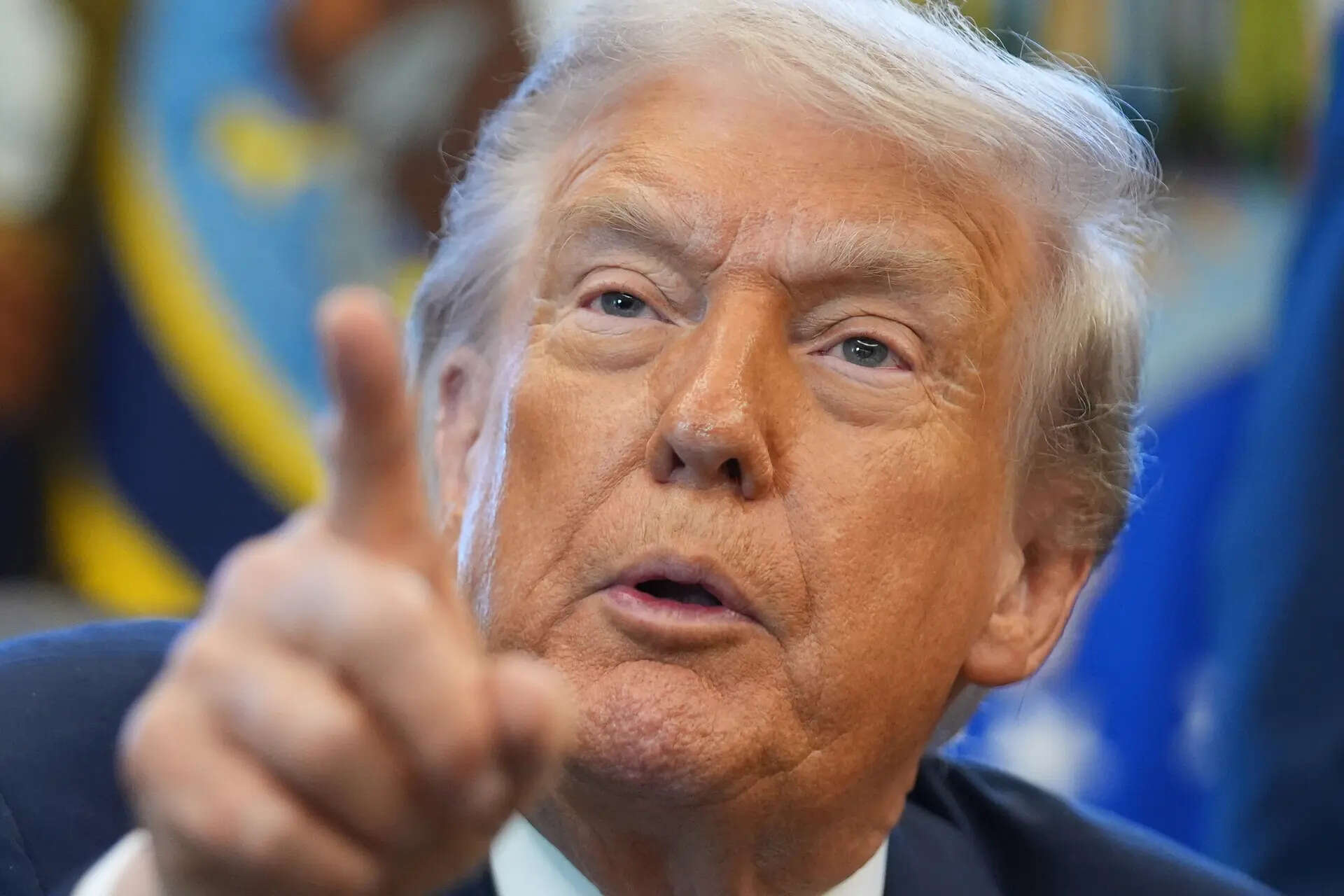
This is the tension point where sport meets cold-blooded commerce, and it is exactly why Donald Trump, a man who built a brand on luxury and high-tier real estate, recently threw a rhetorical hand grenade into the conversation. He stated plainly that the ticket prices are "out of control" and that he "wouldn’t pay it either." When a billionaire known for gold-plated penthouses tells you something is too expensive, the equilibrium of the common man hasn't just shifted—it has shattered.
The Price of a Soul
Fifa operates on a scale that defies traditional logic. Because the demand is global and the supply is finite, the organizers have leaned into a dynamic pricing model that treats a soccer match like a private jet flight or a high-end stock trade. In previous iterations of the tournament, there were tiers designed to keep the "people's game" accessible to the people. There were tickets reserved for locals at prices that reflected the local economy.
That bridge is burning.
For the 2026 World Cup, the floor for entry-level tickets has been raised to heights that effectively exclude the very culture that gives football its heartbeat. The "nosebleed" seats are no longer a budget option; they are a luxury purchase. This isn't just about the dollar amount on the digital ticket. It’s about the invisible stakes of cultural ownership. When you price out the die-hard fans—the ones who sing for ninety minutes, who paint their faces, who bring the drums and the passion—you are left with a quiet stadium filled with people who are there to be seen, not to cheer.
The atmosphere becomes sterile. Corporate. Hollow.
A Rare Alignment of Optics
It is fascinating to watch the political machinery react to this. Trump’s criticism of the ticket prices isn't just a casual observation; it is a masterful alignment with the populist heartbeat. By saying he wouldn't pay the price, he positions himself not as the owner of Mar-a-Lago, but as the guy sitting at the end of the bar who thinks the world has gone mad.
It is a rare moment where a political figure’s personal brand of "deal-making" intersects with the genuine frustration of a global audience. The logic is simple: if the product is so expensive that even the wealthy feel fleeced, the brand is in danger of alienating its most loyal customers. Fifa is betting that there are enough wealthy tourists to fill every seat. They are probably right. But they are ignoring the long-term cost of that bet.
A tournament that only caters to the top one percent loses its status as a global unifying force. It becomes a gated community with a scoreboard.
The Math of Exclusion
Let’s look at the numbers through a human lens. If a family of four wants to attend a mid-level group stage match, they are looking at a base price that often exceeds two thousand dollars before they have even bought a single overpriced hot dog or a souvenir scarf. For a middle-class family in the United States, that is a vacation's worth of capital spent on ninety minutes of entertainment.
In many of the participating nations, where the average monthly salary is less than the price of a single ticket, the World Cup has become a televised ghost. It is something that happens "over there," in a world they are not invited to join. This creates a resentment that lingers long after the trophy is raised. It sends a message that the beautiful game belongs to the person with the biggest bank account, not the person with the most passion.
The irony is that the tournament is being hosted across North America—a region that prides itself on the "fan experience." But the experience is being curated for the VIP lounge.
The Ripple Effect
When ticket prices skyrocket, it isn't just the stadium seats that feel the heat. It cascades. Hotel prices in host cities like Atlanta, Dallas, and Los Angeles are already being marked up by three hundred percent. Airfare is climbing. Even the local "fan zones," which are supposed to be the inclusive alternative for those who can't get into the stadium, are becoming increasingly commercialized.
The "invisible stakes" here are the memories we are failing to create. Think back to the 1970 or 1986 World Cups. Those tournaments defined generations because they were felt in the streets. They were accessible. The current trajectory suggests a future where the only way to "be there" is through a screen, while the actual seats are occupied by people who might not even know the offside rule but can afford the ten-thousand-dollar hospitality package.
It feels like a betrayal of the sport's origins. Football was born in the mud and the grit of working-class neighborhoods. It was the one place where a laborer and a king could stand side-by-side and feel the same surge of adrenaline. Now, the wall between them isn't just a physical barrier; it’s a financial moat.
The Billionaire’s Protest
The "slams" and "criticisms" from figures like Trump serve as a bellwether. When the elite start complaining about the price of the elite experience, the system is overheating. It suggests that the organizers have pushed the "what the market will bear" philosophy to its absolute breaking point.
There is a psychological threshold for every fan. We are willing to sacrifice for the things we love. We will skip dinners out, we will drive older cars, and we will work overtime to afford that one special moment. But when the price moves from "expensive" to "insulting," the love begins to sour.
Fifa has long been criticized for its internal politics and its selection of host nations, but this is a different kind of crisis. This is a direct assault on the fan’s wallet. It is an admission that the bottom line is more important than the soul of the match.
The Ghost in the Arena
Imagine the opening whistle of the final. The cameras pan across a sea of people. On television, it looks perfect. The colors are bright, the stadium is full, and the noise is piped in through high-end audio systems. But if you look closely at the faces in the front rows, you don't see the raw, desperate hunger of a fan who has waited a lifetime for this moment. You see people checking their phones, adjusting their watches, and wondering if the catering in the lounge is better than the action on the pitch.
In the nosebleed sections, where Mateo and his daughter should have been, there are empty pockets or corporate guests who received tickets as a tax-deductible perk.
The roar is different. It’s quieter. It lacks the jagged edge of true desperation.
This is the true cost of the "sky-high" prices. We aren't just paying more for a ticket. We are paying for the privilege of watching a sport slowly forget where it came from. When even the world’s most famous capitalists start calling out the greed of the game, it’s a sign that we’ve moved past a healthy market and into a territory of pure extraction.
The stadium lights will eventually turn off. The crowds will go home. But the kid who stayed in his apartment because he was priced out of his own dream will remember. He will remember that the world's game didn't have a place for him. And that is a loss no amount of ticket revenue can ever truly cover.
The ball is round, and the pitch is flat, but the path to get there has never been more uphill.