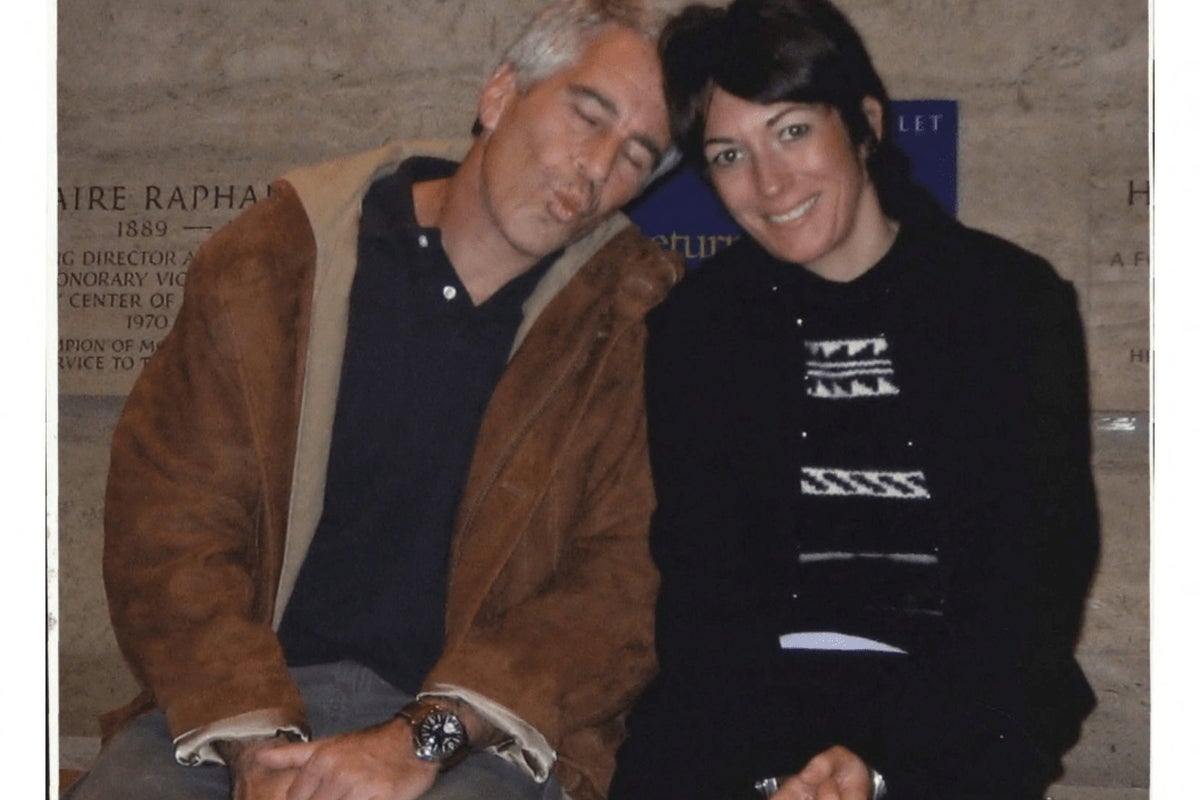
The recent release of the unsealed Epstein documents was framed by many as a moment of reckoning. It wasn't. Instead, the thousands of pages of deposition transcripts, flight logs, and email chains served as a masterclass in how power protects itself through the strategic use of transparency. While the public expected a roadmap of accountability, they received a blizzard of familiar names and redacted details that obscures the actual machinery of the operation. The real story isn't just about who was on the plane; it is about how a high-level sex trafficking ring operated in plain sight for decades, supported by a network of financial institutions and legal maneuvers that remain largely intact.
The focus on celebrity voyeurism is a distraction. While tabloid headlines chase every mention of a former president or a British royal, the structural failures that allowed Jeffrey Epstein to navigate the highest echelons of global influence are being ignored. We are looking at the symptoms rather than the disease. You might also find this similar article interesting: The Canadian Dream on Clearance.
The Architecture of Calculated Immunity
Epstein did not exist in a vacuum. He functioned as a high-level intermediary, a man whose primary currency was access and the potential for compromise. The unsealed documents reveal a pattern of behavior designed to create a "circle of protection" around his associates. By integrating himself into the philanthropic and scientific communities, Epstein created a veneer of legitimacy that made him difficult to touch.
The legal strategy employed by his team, and later by the estates handling the fallout, relies on the "exhaustion of public interest." By releasing massive amounts of data at once—much of it repetitive or already known—the legal system creates a sense of completion without actually delivering justice. This is a common tactic in high-stakes litigation. You flood the zone. You provide so much information that the average person, and even many journalists, lose the thread of the specific criminal acts in favor of broader, more sensational gossip. As discussed in latest reports by The Guardian, the implications are widespread.
The Financial Skeleton
One of the most significant gaps in the current discourse involves the banking relationships that funded this entire enterprise. You cannot run a global trafficking operation without the cooperation, or at least the willful blindness, of major financial institutions. The documents touch on the movement of money, but they rarely go deep into the compliance failures at firms like JPMorgan Chase or Deutsche Bank.
For years, internal warnings about Epstein's "unusual" cash withdrawals and wire transfers were flagged and then buried. This suggests a systemic issue where high-net-worth individuals are granted a level of financial autonomy that bypasses standard anti-money laundering (AML) protocols. If a small business owner tries to move $10,000 without a clear paper trail, the bank freezes the account. Epstein moved millions. The documents show the money trail, but they don't show the faces of the bankers who signed off on the exceptions.
The Myth of the Unanswered Questions
The media often laments that these files "leave questions unanswered." That is a polite way of saying the system worked exactly as intended. Redactions are not accidents. They are the result of intense legal negotiations between the Department of Justice, private attorneys, and the court. Every black bar on those pages represents a victory for someone’s reputation.
We have to move past the idea that a "smoking gun" is hidden in the next batch of files. The gun is already on the table; it’s just that nobody wants to pick it up. The evidence of systemic failure is overwhelming. We see it in the 2008 non-prosecution agreement in Florida, which effectively immunized unnamed co-conspirators. We see it in the way victims were ignored by local law enforcement for years. The "unanswered questions" are actually uncomfortable truths that the current political and social hierarchy is not prepared to handle.
The Role of Soft Power and Philanthropy
Epstein’s true genius was his understanding of "reputation laundering." He donated heavily to institutions like MIT and Harvard, not because he cared about quantum physics, but because those donations bought him the presence of world-class thinkers. When you are surrounded by Nobel laureates, the police are less likely to knock on your door.
The documents provide a glimpse into how this social engineering worked. Invitations to dinners, private island retreats, and conferences were the hooks. Once an individual accepted an invitation, they were part of the ecosystem. They became a character in the narrative Epstein was building. This creates a collective incentive for silence. If you spent a weekend on Little St. James, even if you did nothing illegal, your career depends on the public never finding out you were there. This is how a network of silence is built: through the shared fear of proximity.
The Victim Narrative vs The Legal Reality
The testimony from survivors like Virginia Giuffre and Johanna Sjoberg provides the most damning evidence, yet it is often the most scrutinized and dismissed. The legal system is built to protect the accused, especially when the accused have unlimited resources. In the depositions, we see a recurring theme: the weaponization of memory.
Defense attorneys focus on minor inconsistencies in dates or locations to discredit the entirety of a victim's experience. It is a brutal, effective tactic. The unsealed files show the sheer volume of legal pressure these women faced. They weren't just fighting Epstein; they were fighting a phalanx of the most expensive lawyers in the world.
The Intelligence Community Shadow
There is a persistent theory that Epstein was an asset for one or more intelligence agencies. While the documents don't provide a direct "contract," the level of protection he received—specifically the 2008 deal—is highly irregular for a standard criminal case. Alexander Acosta, the former Labor Secretary who oversaw that deal, famously told the Trump transition team that he was told Epstein "belonged to intelligence" and to leave it alone.
This isn't a conspiracy theory; it’s a question of operational reality. How does a man with no visible means of generating massive wealth acquire a private jet, multiple mansions, and a private island while maintaining ties to the most powerful people on Earth? If he wasn't an asset, he was performing the role of one, collecting information and creating leverage. The refusal of the government to provide a full accounting of his ties to federal agencies is perhaps the most glaring "redaction" of all.
The Failure of the Fourth Estate
As journalists, we have to look in the mirror. The Epstein story was broken years ago by local reporters in Florida, yet it was largely ignored by national outlets until it became a celebrity scandal. The media’s obsession with the "black book" and the flight logs misses the broader point of how power is brokered in the modern era.
By focusing on the names, we ignore the process. We treat it like a "whodunnit" when we should be treating it like a "how-is-this-possible." The unsealed documents should be used as a manual for understanding the vulnerabilities in our legal and financial systems. Instead, they are being used as fodder for social media engagement.
The Redaction of Context
When you read through the files, you notice a distinct lack of context regarding the "middlemen." There were recruiters, housekeepers, pilots, and assistants who kept the machine running. Ghislaine Maxwell was convicted, but she wasn't the only one. The documents hint at a much larger infrastructure of facilitators who remain employed and uncharged.
The focus on the "major takeaways" often misses the mundane details that reveal the most. The logistics of moving young women across international borders requires a level of coordination that involves more than just two people. It involves travel agents, visa processors, and local fixers. These names are often the ones hidden behind the black bars or buried in the thousands of pages of "irrelevant" discovery.
The Dead End of Judicial Transparency
There is a dangerous assumption that "unsealing" is the same as "revealing." The court system is not a truth-telling mechanism; it is a dispute-resolution mechanism. The documents being released are those that were deemed relevant to specific civil lawsuits. They are not a comprehensive investigative report into the Epstein network.
Relying on the courts to provide a full picture of the Epstein saga is a mistake. The courts are bound by rules of evidence and privacy protections that favor the powerful. If we want the truth, it won't come from a judge's order to unseal a deposition. It will come from a sustained, systemic investigation into the institutions—the banks, the universities, the political parties—that enabled him.
The files show us a world where the elite operate by a different set of rules. They show us that accountability is a choice made by those in power, and so far, they have chosen to give us just enough information to satisfy our curiosity without endangering their own standing. The documents aren't the end of the story. They are the evidence of how much more is being hidden.
The reality of the Epstein files is that they are a mirror. They reflect a society where wealth buys a different version of reality, and where the legal system acts as a buffer between the public and the truth. If you are waiting for a final document that explains everything, you haven't been paying attention to how the world actually works. The system didn't fail Epstein's victims; the system worked exactly as it was designed to work for a man like Epstein.
Stop looking for the next name. Start looking at the next bank transfer.


