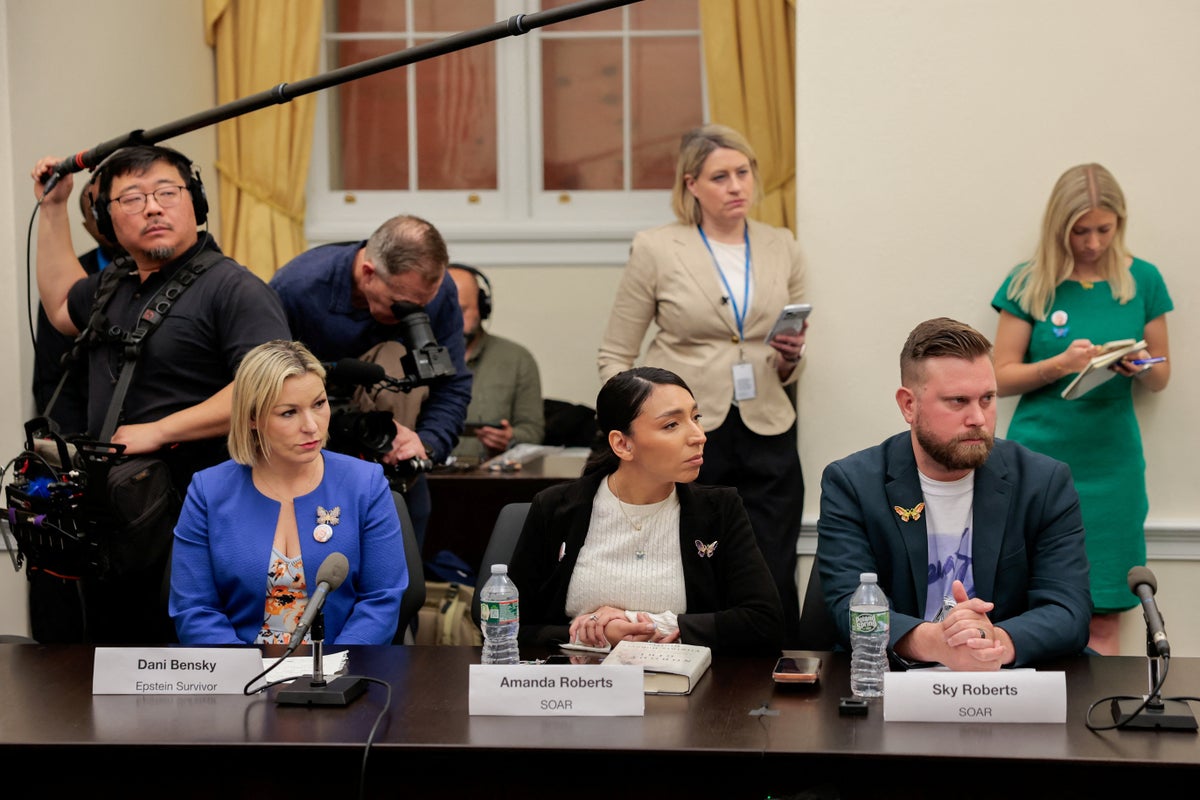
The hallways of the U.S. Capitol recently saw a different kind of gathering. It wasn't the usual pack of lobbyists or corporate suits. Instead, a group of Jeffrey Epstein survivors sat around a table to do what powerful men have tried to stop for decades. They talked. They demanded accountability. They looked for the kind of justice that doesn't just put a few people in jail but actually rips up the roots of global human trafficking networks.
This roundtable happened because these women are tired of being ignored by the global elite. It specifically followed a very public, very pointed rejection from the British Monarchy. The survivors reached out to King Charles III. They asked for a meeting. They wanted to discuss the royal family's ties to Epstein, specifically regarding Prince Andrew. The Palace sent back a polite, formal "no."
When royalty closes the door, you find a bigger one. That’s exactly what these survivors did by heading straight to the Hill.
The royal snub that sparked a Capitol Hill showdown
The request to King Charles wasn't some random PR stunt. It was a calculated move to force a conversation about institutional complicity. For years, the shadow of Prince Andrew’s friendship with Epstein has loomed over Buckingham Palace. Despite the settlements and the stripped titles, survivors feel the Monarchy hasn't fully reckoned with its role in validating Epstein’s social standing.
The King’s refusal to meet wasn't surprising, but it was a catalyst. It signaled that the "firm" still views this as a private embarrassment rather than a public duty. By pivoting to the U.S. Congress, the survivors shifted the narrative from a request for an apology to a demand for legislative teeth. They aren't asking for tea anymore. They're asking for subpoenas.
During the roundtable, the atmosphere was heavy but electric. These women have lived through the worst kinds of betrayal. They've seen the legal system protect the wealthy while they were treated like collateral damage. Now, they're using that experience to guide lawmakers who, frankly, often seem clueless about how these trafficking rings actually operate.
Why the Epstein case refuses to go away
Most people think the Epstein story ended when he died in his cell. They're wrong. The death of the architect didn't demolish the building. There’s a massive list of associates, financiers, and high-profile friends who still haven't faced a single question under oath.
The survivors at the roundtable were clear. They want the "black book" fully investigated. They want to know why certain flight logs remain redacted. They want to understand how a convicted sex offender was able to maintain high-level access to the world’s most powerful people for years after his initial Florida conviction.
The Congressional members in attendance—spanning both sides of the aisle—listened to testimonies that moved past the headlines. We're talking about the gritty, horrifying reality of how Epstein used "massage" as a euphemism for systematic abuse. The survivors highlighted how the financial system facilitated this. Banks like JPMorgan and Deutsche Bank have already paid out hundreds of millions in settlements because they ignored the red flags. The survivors want to make sure those red flags are impossible to ignore next time.
Breaking the wall of institutional silence
One of the biggest hurdles in the Epstein saga is the sheer weight of the names involved. We're talking about former presidents, tech moguls, and royalty. It’s intimidating. It’s meant to be. The legal strategy for these high-net-worth individuals is almost always the same: delay, settle, and stay silent.
The roundtable served as a direct challenge to that silence. By bringing their stories to the seat of American government, the survivors are making it a matter of public record. They're pushing for the Earn It Act and other legislation designed to hold tech platforms and financial institutions accountable for enabling exploitation.
They also focused on the statute of limitations. In many states, survivors of childhood sexual abuse are barred from seeking justice because too much time has passed. The women on the Hill argued that when you're dealing with a global trafficking ring run by billionaires, the clock shouldn't start ticking until the power dynamic is leveled.
What justice looks like when the system is rigged
It's easy to get cynical. You see the photos of Epstein at royal estates or at political fundraisers and you think the game is rigged. Honestly, it kind of is. But the fact that these survivors are now the ones briefing Congress shows the tide is turning.
They aren't just victims. They are experts in how the system fails. They pointed out the specific loopholes in international travel laws that allowed Epstein to move girls across borders with ease. They talked about the "grooming" process that relies on the prestige of names like the Royal Family to make the abuse seem like a legitimate career opportunity.
The roundtable wasn't just about venting. It was a working session. They discussed the need for a permanent federal commission to investigate high-level trafficking. They pushed for more transparency regarding the FBI’s original 2008 investigation, which many believe was spiked by political pressure.
The path forward for survivors and advocates
If you're following this and wondering what actually changes, look at the legislation. The pressure from this roundtable is already moving the needle on several fronts.
First, there’s a renewed push to unseal every document related to the Ghislaine Maxwell trial. We only have pieces of the puzzle. The public deserves the whole picture. Second, there’s a movement to reform how "non-prosecution agreements" are handled. The sweetheart deal Epstein got in Florida should never happen again.
The King might have declined the invite, but he unintentionally gave the survivors a bigger platform. By trying to keep the story quiet, the Palace ensured it stayed in the news cycle. The survivors proved they don't need a royal seal of approval to be heard.
Pay attention to the House Oversight Committee. Watch the filings in the ongoing civil suits. The names in that black book aren't as safe as they think they are. The survivors are done waiting for invitations. They're making their own.
Check your local representatives' stances on human trafficking legislation. Support organizations like SNAP (Survivors Network of those Abused by Priests) or the National Center on Sexual Exploitation that provide resources for survivors taking on powerful institutions. The fight for the full Epstein truth is a marathon, not a sprint. Keep the pressure on by demanding that the names on those flight logs face the same scrutiny as the man who owned the plane. Don't let the news cycle move on until the depositions are public.