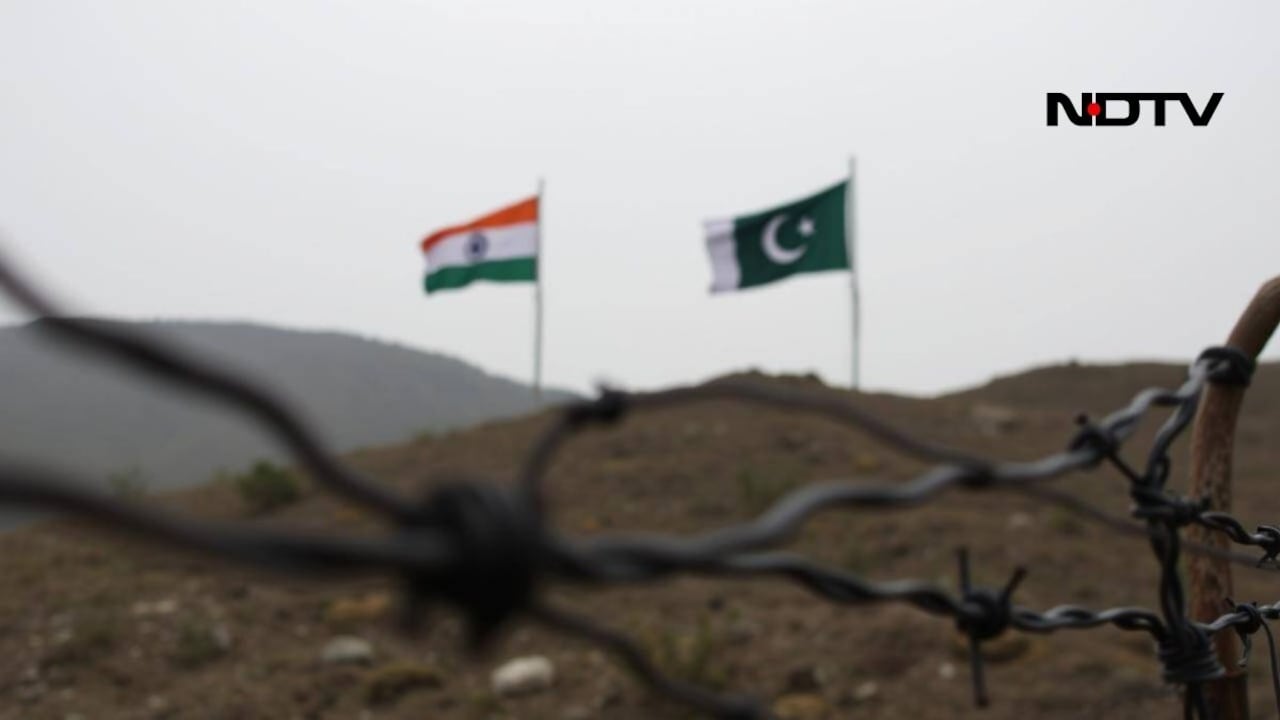
Think of the Kashmir conflict and your mind probably goes straight to the endless border standoffs, the dramatic speeches at the United Nations, or the heartbreaking stories of local families caught in the crossfire. We hear about the historical rivalry between India and Pakistan on repeat. But there is a quieter, far more strategic game playing out behind the scenes that rarely makes the evening news. While Islamabad publicly champions the Kashmiri cause as an unfinished piece of its national identity, the reality on the ground paints a completely different picture. The political elite and military establishment across the border have managed to transform this endless crisis into a highly profitable political and economic asset.
The actual strategy is not about winning the territory. It is about keeping the fire burning just enough to sustain internal power structures. For decades, the narrative surrounding the region has served as a perfect distraction from domestic failures, a tool for military budget justification, and a mechanism to secure international diplomatic leverage. When we look past the emotional rhetoric, we see a calculated effort to capitalize on regional instability.
The Real Economics of a Permanent Border Dispute
Let's look at the financial reality. A stable border means a reduced need for massive standing armies. For Pakistan's powerful military institution, headquartered in Rawalpindi, a peaceful resolution to the Kashmir issue is actually a direct threat to its corporate and political dominance. Historically, the military has positioned itself as the sole defender of the nation against an existential threat, directly tying its necessity to the unresolved status of Jammu and Kashmir.
This institutional positioning translates into a massive share of the national budget. Even as the local economy faces severe inflation, deep debt crises, and frequent bailouts from the International Monetary Fund, defence spending remains heavily prioritized. The threat narrative allows the security apparatus to maintain control over vast commercial enterprises, ranging from real estate developments and fertilizer factories to banking institutions. Without the constant mobilization over the line of control, justifying this deep involvement in civil society and the economy becomes incredibly difficult.
How Domestic Politics Feeds on Instability
Political parties in Islamabad use the regional dispute as a reliable release valve for public anger. Whenever internal economic pressures boil over, or when corruption scandals threaten the governing coalition, the political rhetoric regarding foreign interference and the plight of Kashmiris magically intensifies. It is a classic textbook distraction tactic that works every time.
By keeping the population focused on an external struggle, leaders manage to redirect domestic frustration away from systemic governance failures, lack of infrastructure, and high unemployment rates. The public is told to endure economic hardships for the sake of a larger national cause. This cycle creates a situation where the political class has zero real incentive to seek a permanent diplomatic compromise. A solved problem offers no political capital, whereas an active grievance yields endless campaign material.
Diplomatic Leverage and the International Stage
On the global front, the dispute serves as a primary tool to command international attention. It allows diplomats to keep the state relevant in global forums like the UN Security Council, even when economic indicators suggest otherwise. By framing the region as a nuclear flashpoint, the establishment forces global superpowers to stay engaged, frequently translating this attention into diplomatic concessions, security assistance, or financial aid.
The strategy also involves massive financial investment in international lobbying. Over the years, substantial resources have been poured into running international seminars, funding think-tank panels, and setting up advocacy groups in Western capitals. These initiatives are designed to pressure foreign governments and keep regional tensions high on global human rights agendas. This international posturing acts as a shield, deflecting scrutiny from domestic governance issues and internal political instability by projecting a image of a state solely focused on regional justice.
The Disconnect of the Local Population
The ultimate irony is how little this grand strategy aligns with the actual desires of the people living in the region. Recent reporting and accounts from independent journalists highlight a growing exhaustion among ordinary citizens. While external actors use the territory as a geopolitical chess piece, locals are primarily concerned with basic necessities: stable employment, reliable internet access, functioning schools, and a return to normal economic life.
Many younger people in the valley see through the external propaganda. They recognize that the financial packages and diplomatic campaigns launched in their name rarely translate into tangible improvements for their daily lives. The local tourism industry, handicraft trade, and agricultural sectors suffer immensely whenever tensions spike, meaning the very people who are supposedly being supported are the ones bearing the economic brunt of the calculated instability.
To truly understand the situation, look closely at who benefits from the status quo. Pay attention to how the issue is framed during elections or economic downturns across the border. Read independent reports from regional analysts rather than relying solely on official press releases. The path toward genuine regional stability starts with recognizing that for some players, the conflict itself is the desired outcome.