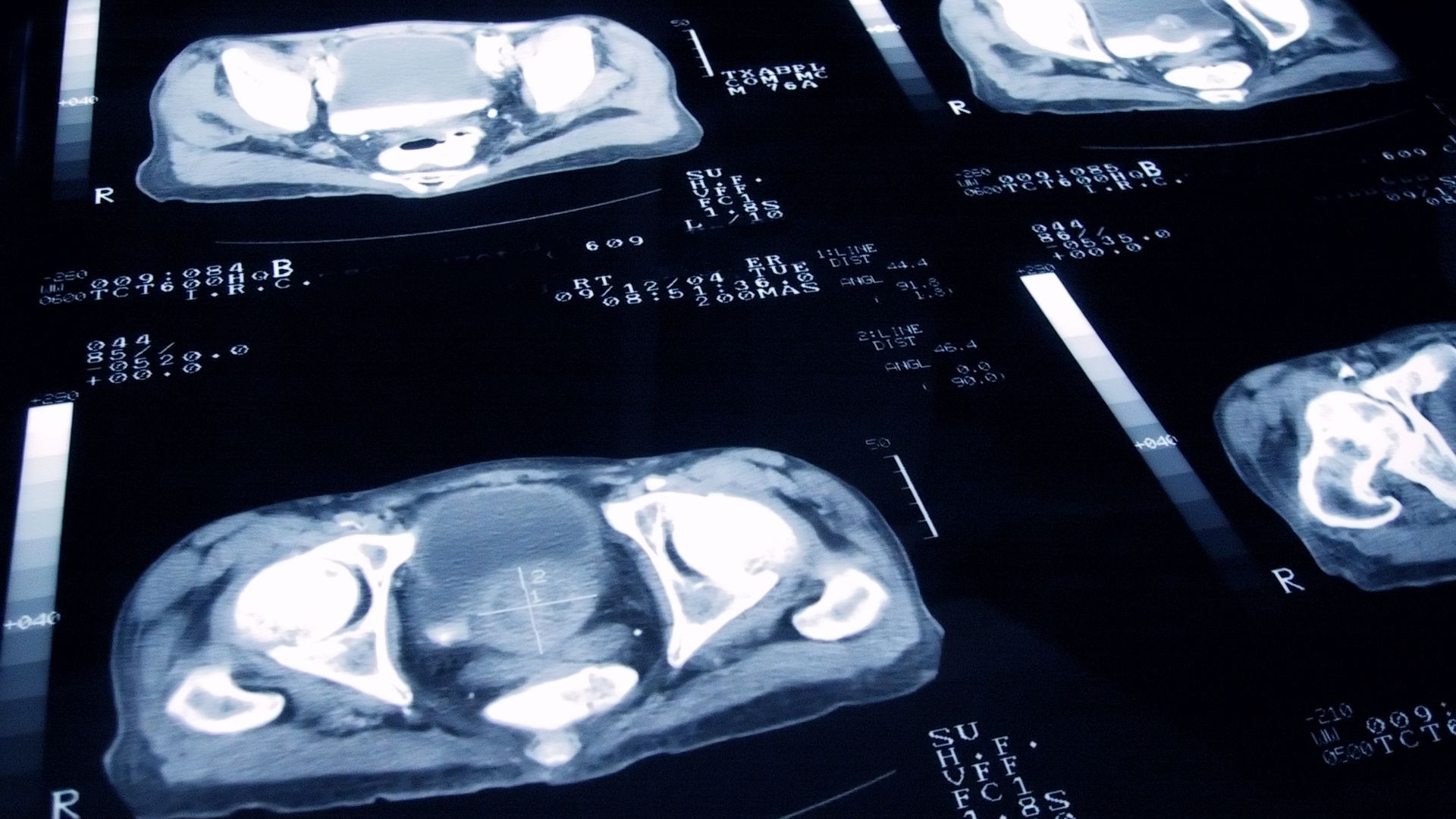
The headlines are screaming about a massive missed opportunity. Following the UK National Screening Committee's decision to reject a mass prostate cancer screening programme, charities are furious, and families are left wondering why the government is pulling the brakes. High-profile advocates, like cycling legend Sir Chris Hoy who is facing terminal prostate cancer, have brought immense emotional weight to this debate. It feels like a bureaucratic betrayal.
But if you look closer, the reality is much more complicated. The government isn’t ignoring the problem. They’re dealing with a fundamentally flawed tool: the Prostate-Specific Antigen (PSA) blood test.
Mass screening sounds great on paper. In practice, implementing a nationwide population-wide screening programme based on current methods would trigger a cascade of medical interventions that could easily do more harm than good.
The Hidden Trap of the PSA Test
The public narrative often treats the PSA test like a definitive yes-or-no cancer check. It isn't. The PSA test measures a protein produced by the prostate gland, and elevated levels can indicate cancer. However, they can also indicate a completely benign enlarged prostate, an infection, or even the temporary effects of a long bike ride.
The core issue isn't just that the test is a blunt instrument. The real danger is overdiagnosis and subsequent overtreatment.
Many prostate cancers are slow-growing, indolent tumors. They sit there for decades, never causing a single symptom, and the patient eventually dies of something else entirely. If you screen the entire population of men over 40 or 50, you inevitably find these sleepy tumors. Once a man knows he has "cancer," the psychological and medical pressure to treat it is immense.
Treatments like radical prostatectomy or radiation therapy carry severe, life-altering risks. We’re talking about permanent urinary incontinence, bowel dysfunction, and erectile dysfunction. The historic PIVOT trial explicitly demonstrated that radical surgery did not significantly improve overall survival compared to simple observation for men with low-risk, PSA-detected localized prostate cancer. Mass screening risks trading a lifetime of health for a lifetime of unnecessary side effects, without actually saving a proportionate number of lives.
What the New Guidelines Actually Mean
The Health Secretary's announcement isn't a total shutdown of early detection. Instead, the policy shifts toward highly targeted, risk-based screening.
Starting from the National Screening Committee's finalized recommendations, the NHS is moving to offer targeted PSA screening every two years to a very specific group: men aged 45 to 61 who carry the BRCA2 gene mutation and have a family history of breast, ovarian, pancreatic, or prostate cancer.
- Why BRCA2? Men with this specific genetic variant don't just get prostate cancer more often; they get a highly aggressive, fast-moving version of it. For them, the balance of risk shifts heavily in favor of aggressive surveillance.
- What about BRCA1? While the initial draft guidelines in late 2025 considered including BRCA1 carriers, subsequent data modeling from the School of Health and Related Research (SCHARR) showed that the benefit-to-harm ratio didn't justify routine screening for them yet.
- The Excluded Groups: Crucially, the government rejected calls for routine, proactive screening for Black men and men with a standard family history who don't have the BRCA2 mutation.
This exclusion is where the real policy battle lies. Charities like Prostate Cancer UK point out that Black men face a double risk of developing the disease compared to white men. Opponents of the government decision argue that by refusing a targeted national rollout for these groups, health inequalities in more deprived areas will only worsen. The National Prostate Cancer Audit highlights that men in poorer zip codes are still diagnosed far too late.
The Modern Diagnostic Pathway is Already Changing
The government's cautious stance assumes that a positive PSA test automatically leads straight to an invasive, risky biopsy and surgery. But that logic is arguably a decade out of date.
The way clinicians handle elevated PSA levels has evolved. Today, we don't just slice into a patient because their bloodwork came back high. The modern pathway relies on pre-biopsy multiparametric MRI (mpMRI) scans.
An MRI lets doctors look directly at the prostate to see if there's actually a suspicious lesion. If the MRI is clean, the patient can often avoid a biopsy entirely. Data from recent European clinical trials show that combining PSA tests with modern MRI protocols slashes unnecessary biopsies by up to 90% and cuts overdiagnosis of harmless cancers in half. Furthermore, for men who are diagnosed with low-risk tumors, roughly 90% are now placed on active surveillance rather than being rushed into surgery.
So why didn't the government approve mass screening if the modern pathway is safer? Because the NHS infrastructure isn't ready to handle the sheer volume. A mass screening program would flood radiology departments with hundreds of thousands of men needing urgent prostate MRIs, crashing a system that is already struggling with waiting lists.
The Future Pivot Points to Watch
We aren't stuck with this rigid policy forever. The current guidelines are essentially an interim holding pattern while the medical community waits for definitive data from ongoing, large-scale clinical trials.
Keep an eye on the £42 million TRANSFORM trial, co-funded by the government and Prostate Cancer UK. It is currently recruiting hundreds of thousands of men to test modern, multimodal screening strategies. They are looking at smarter combinations of genetic testing, rapid MRIs, and refined blood biomarkers.
Across the English Channel, the European Union's PRAISE-U project is currently evaluating the feasibility and cost-effectiveness of algorithm-based screening across 27 member states. The results of these trials, expected to mature over the next few years, will likely force the government to reassess the data. If TRANSFORM proves that a modern MRI-first screening protocol saves lives without ruining the quality of life for healthy men, the policy will shift.
What You Should Do Right Now
Don't let a lack of a national screening invitation fool you into complacency. If you're a man over 50, or a man over 45 with a family history or increased risk, you don't have to wait for a letter in the mail.
Opportunistic testing remains fully available. You have the right to request a PSA test from your GP.
Book an appointment with your doctor and have an honest conversation about your specific risk profile. Ask about your family history on both sides, not just your father's. Remember that breast and ovarian cancers in your family tree matter because of shared genetic links like the BRCA mutations.
If you choose to take a PSA test, ensure your doctor uses a modern, evidence-based follow-up pathway. Demand to know if a pre-biopsy MRI is standard procedure in their network if your numbers come back high. Be prepared to choose active surveillance if you're diagnosed with a low-risk, slow-growing tumor. You must take control of your own diagnostic pathway instead of waiting for a public health system to build a perfect blueprint. Let's use the tools we have right now, but let's use them intelligently.