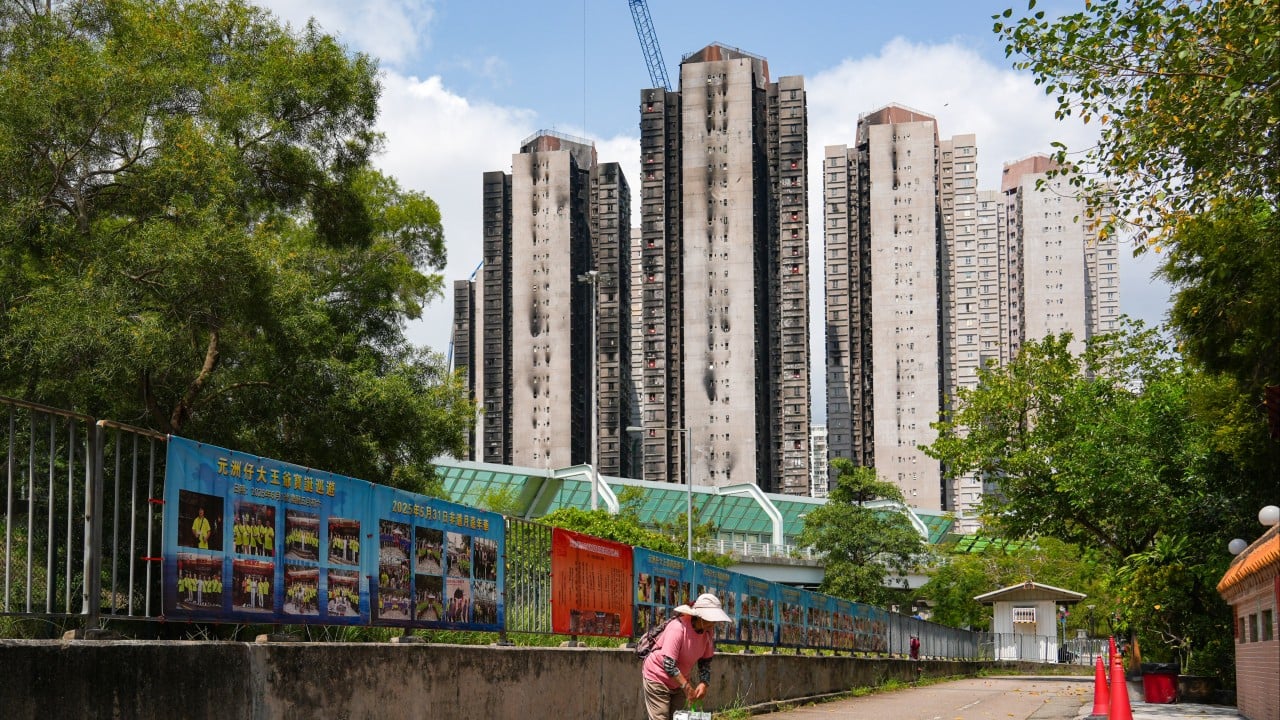
Anatomy of a Regulatory Failure
When the smoke cleared from the industrial blaze in Tai Po, it revealed more than just charred machinery and structural damage. It exposed a systemic breakdown in how fire safety is managed within Hong Kong’s aging industrial estates. While initial reports focused on the chaos of the fire itself, the real story lies in the paper trail—or the lack thereof. An investigation into the incident shows that the firm responsible for oversight sent out 85 shutdown notices to tenants despite failing to conduct a single physical fire safety system check in the preceding months.
This was not a case of simple negligence. It was a calculated administrative shortcut that prioritized bureaucratic compliance over actual human safety.
The immediate aftermath of the fire prompted a frantic scramble for accountability. Tenants in the Tai Po Industrial Estate were stunned to find that the very notices meant to protect them were issued by a management firm that had essentially been flying blind. They were operating on data that was months, if not years, out of date. Fire safety is not a static condition. It is a constant, shifting battle against equipment degradation, blocked exits, and faulty wiring. By relying on desk-bound assessments rather than boots-on-the-ground inspections, the management company turned a high-stakes safety protocol into a hollow exercise in liability shifting.
The Paper Shield Strategy
In the world of industrial management, the "shutdown notice" is the ultimate lever of power. It is designed to force tenants to rectify dangerous conditions immediately or face the cessation of their operations. However, in the months leading up to the Tai Po fire, these notices were being used as a shield rather than a tool for improvement.
By issuing 85 shutdown notices without performing site visits, the firm created a documented history of "action." On paper, they looked proactive. They could point to their records and show that they were identifying risks and demanding fixes. But without the physical inspections to back these notices up, the demands were often disconnected from the actual reality of the shop floor.
Missing the Mechanical Truth
Mechanical systems do not care about paperwork. A fire suppression system either works or it does not. Sensors fail. Valves seize. Pumps lose pressure. These are physical realities that cannot be assessed from a central office through a spreadsheet.
When the fire broke out in Tai Po, the systems that were supposed to contain the damage were, in several instances, non-functional or severely compromised. The firm had issued notices regarding "potential" issues based on old reports, but they missed the critical, active failures that were developing in real-time. This is the danger of "compliance-based safety." It creates a false sense of security among tenants who believe that if they haven't been shut down yet, their systems must be "good enough."
The Financial Incentives for Negligence
Maintaining a rigorous fire safety inspection schedule is expensive. It requires skilled technicians, specialized equipment, and, most importantly, time. For a management firm looking to protect its margins, physical inspections are often the first line item to be trimmed.
The math is cynical but simple. The cost of sending a technician to 85 different units to test alarms and sprinklers is significant. The cost of generating 85 automated notices based on a database query is nearly zero. If a fire doesn't happen, the firm pockets the difference. If a fire does happen, they point to the notices and claim they warned the tenants.
This creates a perverse incentive structure where the management firm benefits from doing less. They offload the risk onto the tenants while maintaining the appearance of diligent oversight. In Tai Po, this gamble finally failed, and the cost was paid in millions of dollars of property damage and a near-miss for human life.
Tenants Caught in the Crossfire
For the small and medium-sized businesses operating out of Tai Po, these shutdown notices are more than just a nuisance. They are an existential threat. A single day of shutdown can break a company’s supply chain and result in the loss of major contracts.
Because the notices were issued without specific, current inspections, many tenants were left in a state of confusion. They were being told their systems were inadequate but weren't given the specific technical guidance required to fix them. This led to a climate of resentment and skepticism. When the notices are perceived as "crying wolf," actual safety warnings are ignored.
The Breakdown of Trust
Safety is a collaborative effort between building management and occupants. When management fails to hold up their end of the bargain—the professional assessment of communal systems—the entire ecosystem collapses. Tenants began to view the fire safety requirements not as a life-saving necessity, but as a bureaucratic hurdle to be bypassed.
During the investigation, several tenants admitted that they stopped taking the management firm's notices seriously because they knew no one was actually checking. This apathy is the perfect fuel for an industrial fire. It creates a vacuum where hazards go unreported because the reporting mechanism itself is seen as fraudulent.
Beyond the Tai Po Borders
While the Tai Po incident is a localized disaster, the "no-check" policy is a symptom of a much larger issue across Hong Kong's industrial sector. Many of these buildings date back to the 1970s and 80s. Their systems were designed for a different era of manufacturing.
Today, these spaces house high-tech data centers, food processing plants, and cold storage facilities. Each of these uses carries unique fire risks that the original infrastructure was never meant to handle. If management firms are not conducting regular, granular inspections, they have no way of knowing if the fire safety systems have been overwhelmed by the building's new functions.
The Regulatory Gap
Hong Kong’s Fire Services Department (FSD) has strict codes, but the day-to-day enforcement often falls to private management firms. This creates a gap where the government assumes oversight is happening, while the private firms are cutting corners to save costs.
The Tai Po case shows that the FSD needs to move beyond auditing paperwork and start auditing the auditors. It is not enough to check that a management firm has a pile of shutdown notices on file. There must be verification that those notices were preceded by a physical site visit by a qualified professional.
The Technical Reality of Suppression Failure
In a high-intensity industrial fire, the first 120 seconds are the only ones that matter. If the automated sprinkler system fails to trigger or if the water pressure is insufficient due to a lack of maintenance, the fire will likely exceed the building's containment capabilities before the first fire truck even leaves the station.
In Tai Po, the fire gained a foothold in a storage area that was supposedly covered by a dry-pipe system. These systems are complex; they rely on pressurized air to hold back water until a head is triggered. If the air compressors are not maintained—a task that requires a physical check—the system can fail to deploy or, worse, can suffer from internal corrosion that blocks the pipes entirely. A management firm sending a notice from an office would never see the rust flakes or hear the struggling compressor. They only see a box checked "installed" in their 2022 records.
Rewriting the Safety Contract
The fallout from Tai Po must lead to a fundamental shift in how industrial safety is contracted. Liability shouldn't be something that can be signed away through a series of automated emails.
We need to move toward a model of "verifiable inspection." Every safety notice issued by a firm must be linked to a digital log that includes a timestamped, GPS-verified entry of a technician into the specific unit. This isn't about more red tape; it's about ensuring that the tape actually exists.
Industry leaders are now calling for a centralized database where inspection results are transparent to both the FSD and the tenants in real-time. If a management firm fails to perform a scheduled check, the system should automatically flag the omission before a fire has a chance to start.
The Cost of the Shortcut
The 85 shutdown notices sent in Tai Po are a testament to a broken culture. They represent a belief that safety can be managed via a dashboard rather than through the grit and grime of a physical inspection.
As the legal battles begin and insurance claims are filed, the true cost of those unsent technicians will be calculated. It will far outweigh any savings the firm managed to scrape together by skipping their rounds. For the tenants of Tai Po, the lesson was learned the hard way: a warning that isn't based on the truth is no warning at all. It is just more paper to burn.
The industrial sector cannot afford another Tai Po. The solution isn't more notices; it's more eyes on the ground, more hands on the valves, and a total rejection of the idea that safety can be automated from a distance. Any firm that thinks otherwise is not managing a property—they are managing a ticking clock.