Donald Trump just bought the global economy five days of breathing room, but the cost of the extension remains unbilled. On Monday, the White House announced a sudden postponement of planned "obliteration" strikes against Iranian power plants and energy infrastructure, citing "very good and productive" conversations with Tehran. The news sent Brent crude tumbling 10% to $101 a barrel, a sharp correction from the weekend’s panicked climb toward $120. Yet, beneath the surface of this diplomatic reprieve, the "complete and total resolution" promised by the administration looks less like a breakthrough and more like a high-stakes stall tactic aimed at a crumbling global supply chain.
The 48-hour ultimatum issued over the weekend was clear: reopen the Strait of Hormuz or lose the national grid. As that deadline approached, the reality of a "doomsday scenario"—where Iran responds by mining the entire Persian Gulf and leveling desalination plants across the region—forced a tactical pivot. This isn't just about oil prices. It is about the 20% of global liquefied natural gas (LNG) trapped behind a blockade that the International Energy Agency (IEA) warns is already more severe than the 1970s oil shocks.
The Invisible Negotiators
While the President touts "very strong talks" with a "top person" in the Iranian hierarchy, Tehran’s Foreign Ministry is publicly denying any direct communication exists. This discrepancy suggests the administration is bypassing traditional diplomatic channels entirely. Intelligence circles point to a fragmented Iranian leadership reeling from the February 28 strikes that killed former Supreme Leader Ali Khamenei. If negotiations are happening, they are likely occurring through intermediaries in Turkey or Egypt, or via backchannels with pragmatic elements of the Iranian military who realize the regime cannot survive a total blackout.
There is also the China factor. Trump has notably delayed a high-level summit with Xi Jinping, citing the need to manage the war. By holding Iranian energy infrastructure hostage, the U.S. effectively controls the tap for China’s primary oil supply. This isn't just a war for regional stability; it’s a brutal leverage play against Beijing. The five-day pause allows the U.S. to see if China will pressure Tehran to blink first, sparing Washington the political fallout of a humanitarian catastrophe in Iran.
Markets Drunk on Uncertainty
Investors are currently trading on headlines, not fundamentals. The 10% drop in crude is a "relief rally" built on the hope that the Strait of Hormuz will reopen by Friday. However, analysts at Goldman Sachs and Société Générale are rightfully skeptical. Even if a deal is signed tomorrow, the physical damage to shipping lanes and the "fog of war" surrounding insurance premiums mean oil won't return to $70 anytime soon.
- Brent Crude: Hovering at $101 after a 13% intraday swing.
- WTI: Trading under $90, down over 7%.
- Equities: The Dow and S&P 500 saw modest gains of 0.5% to 1%, fueled by the temporary removal of the "energy armageddon" variable.
The danger of this five-day window is that it creates a false sense of security. While the U.S. holds its fire, Israel has reportedly doubled its attack intensity on Revolutionary Guard production sites in Tehran and Khorramabad. The White House might be pausing, but the war is not stopping.
The Desalination Trap
If the postponement fails, the next phase of the conflict moves from military targets to "civilian-adjacent" infrastructure. Iran has already threatened to target the UAE’s nuclear power plants and the desalination facilities that provide drinking water for the entire Gulf. This is the "asymmetric risk" that markets are currently ignoring. A strike on an Iranian power plant isn't just a bulb going out in Tehran; it's a green light for the IRGC to turn off the water in Riyadh and Dubai.
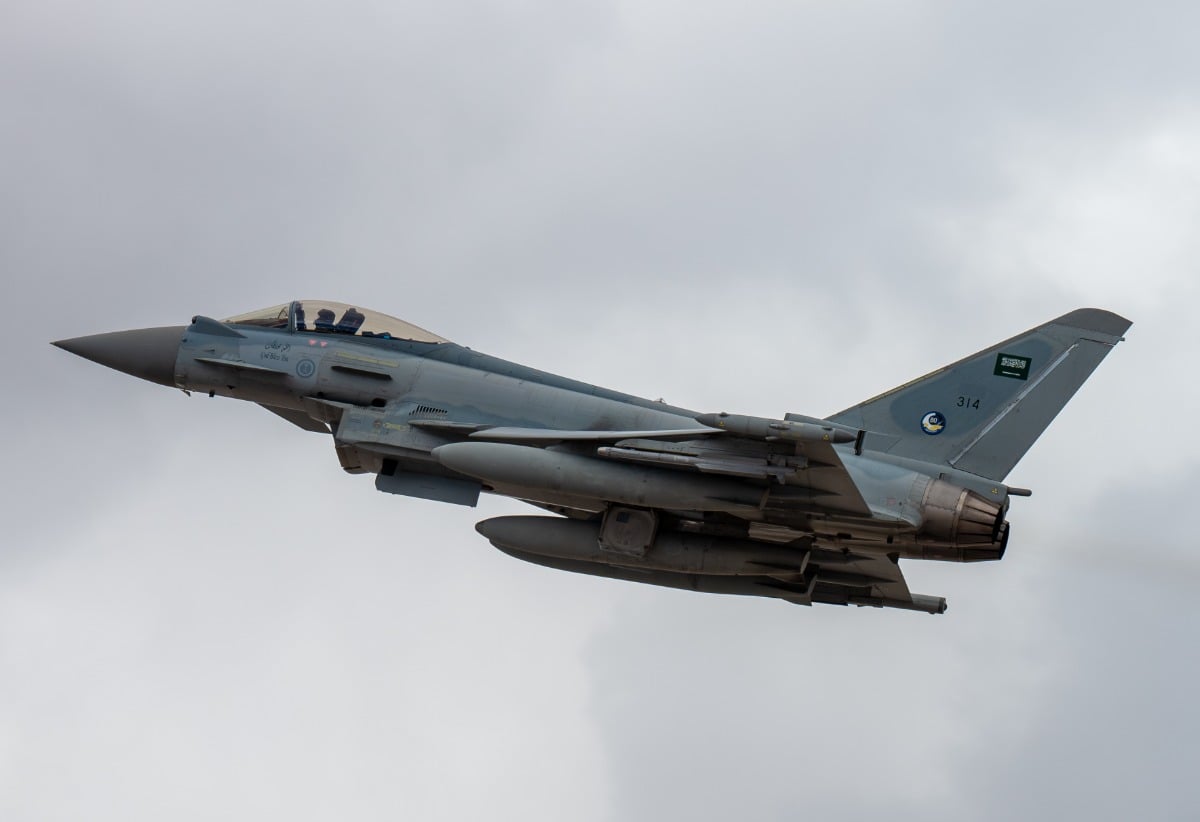
The Pentagon is currently moving 4,500 Marines and F-35 squadrons into the theater, a massive buildup that suggests the five-day pause is also being used for logistical positioning. If no "deal" emerges by the weekend, the U.S. will have a more robust force in place to handle the inevitable Iranian retaliation.
A Fragile Peace
We are watching a masterclass in brinkmanship that could easily backfire. The Iranian regime is desperate, and desperate actors rarely follow a predictable script. While Trump claims they "want to make a deal badly," the IRGC is still launching ballistic missiles at Tel Aviv and mining access routes in the Gulf.
The global economy cannot sustain $100+ oil and blocked shipping lanes for a protracted period without triggering a stagflationary collapse. These five days are not a peace treaty. They are a countdown. If the Strait doesn't open by the time the clock hits zero, the "little excursion" in the Middle East will become a permanent scar on the 21st-century economy.
The administration needs more than "productive conversations"—it needs a physical opening of the water. Until a tanker actually clears the Hormuz without an escort, the market's optimism is a house of cards.