The rain outside Westminster does not care about geopolitics. It falls with a steady, indifferent rhythm, slicking the cobblestones where politicians and protesters alike tread. Inside the halls of power, the air feels different. It carries the weight of a sudden, sharp intake of breath. A single statement has just rippled through the British political landscape, fracturing the fragile peace of a community already reeling from a tragedy across the ocean.
To understand how a localized courtroom drama in Canada spiraled into a warning delivered to British citizens on the floor of parliament, you have to look past the dry wire reports. You have to look at the people caught in the crossfire of identity, loyalty, and fear.
The Echo of a Verdict
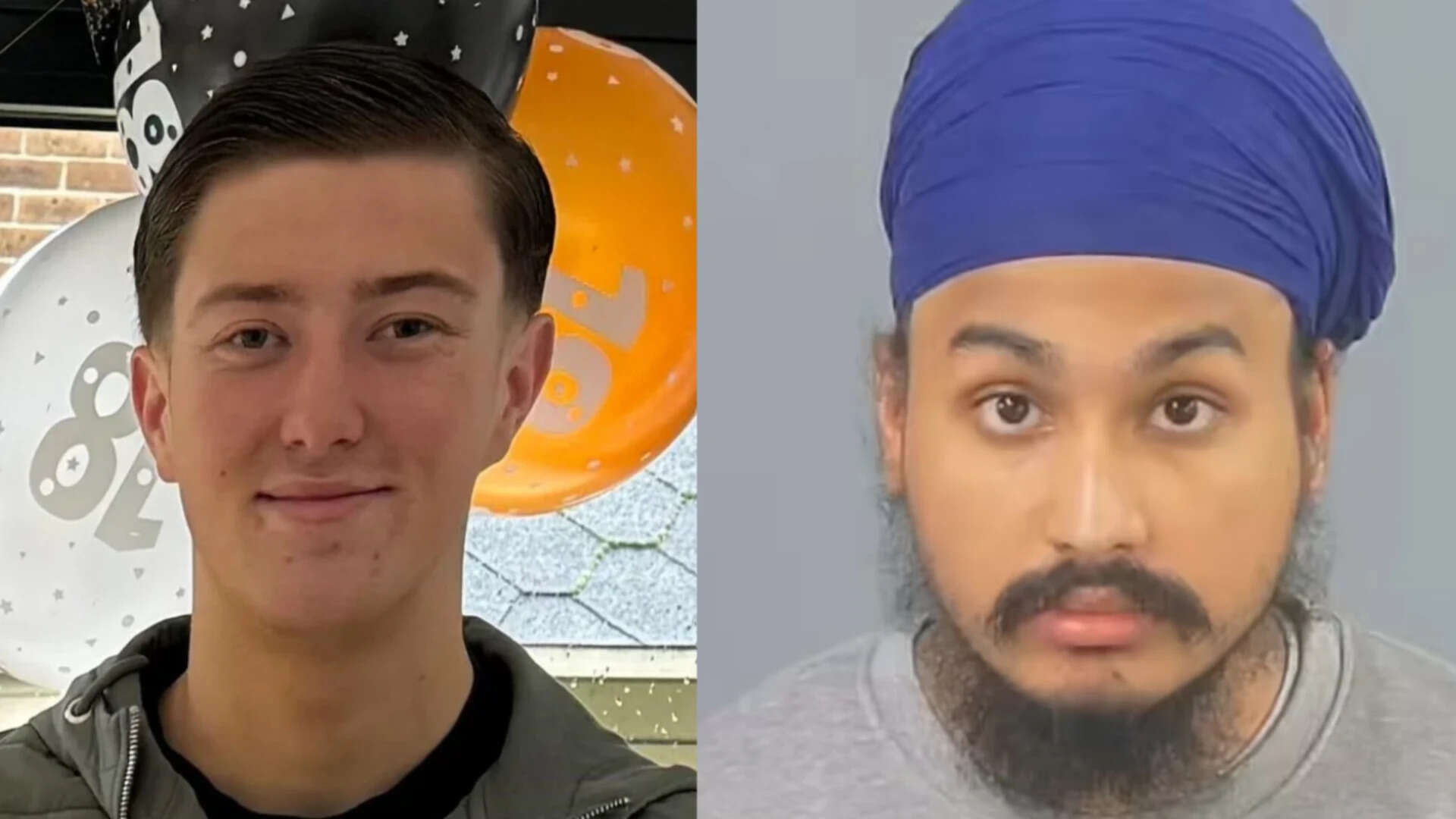
The story begins with Henry Nowak. He was a man whose life became a flashpoint. His murder was not just a police log entry; it was a match dropped into a powder keg of long-simmering diaspora tensions. When the trial concluded, the shockwaves traveled fast.
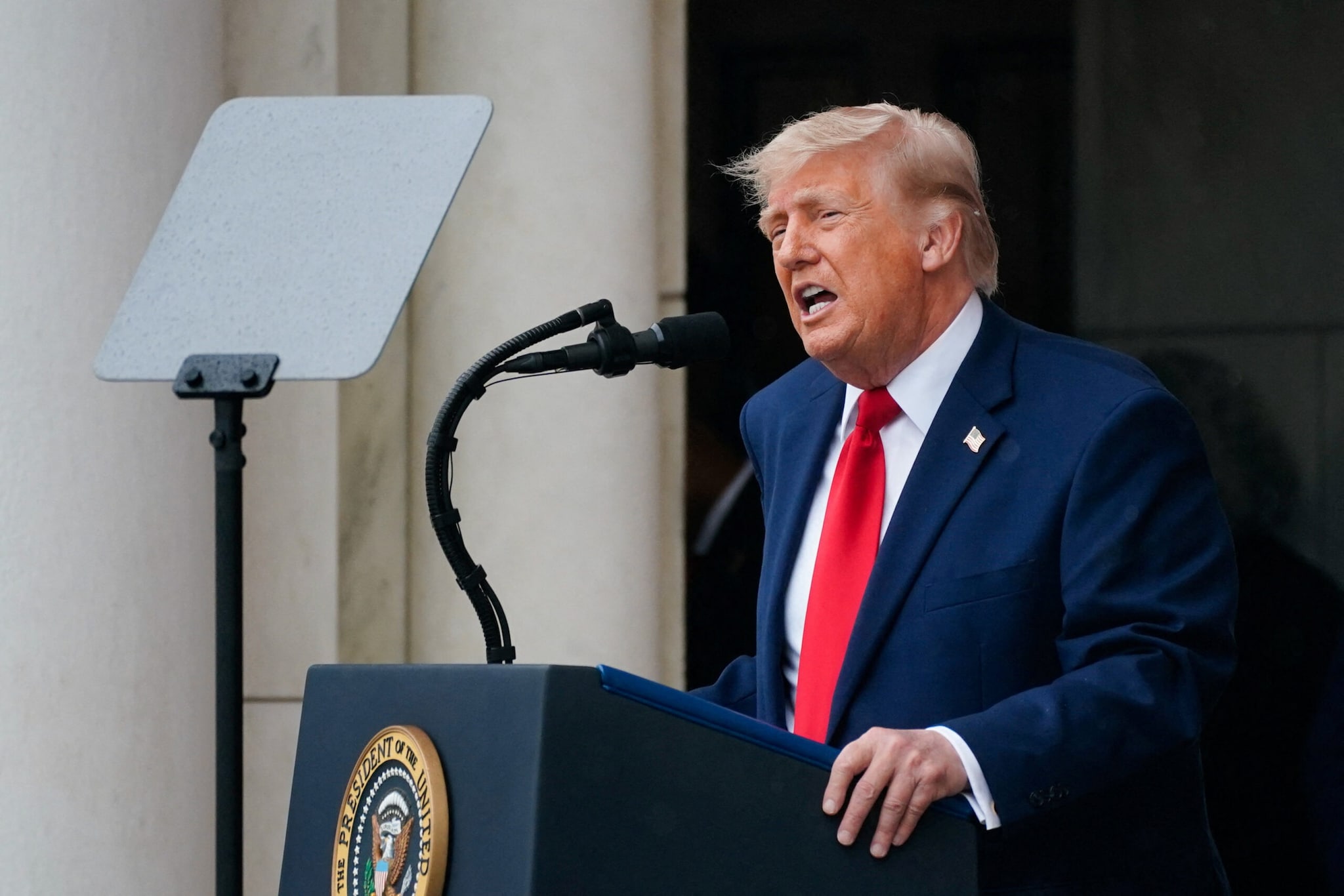
In the aftermath of the verdict, a prominent UK Member of Parliament stood before the microphones. The words that followed were not standard, calculated political boilerplate. They were a direct, uncompromising warning aimed squarely at British Indians. The MP declared that any individual who had offered support—moral, financial, or political—to Vickrum Digwa, the figure central to the controversy, must face immediate, severe scrutiny.
The statement was a sledgehammer. It shattered the assumption that diaspora politics could be neatly contained within national borders. Suddenly, choices made on a smartphone in a London suburb were being framed as matters of national security and public safety in the United Kingdom.
The View from the Kitchen Table
Consider a hypothetical household in Leicester. Let us call the father Amit. He is a second-generation immigrant, a man who built a dry-cleaning business from nothing. He drinks Earl Grey tea, watches cricket, and worries about his mortgage. But he also keeps an eye on the news from Punjab, the land his parents left behind.
To Amit, the online debates surrounding Vickrum Digwa were distant. They belonged to the realm of late-night scrolling, a way to stay connected to a heritage that feels increasingly abstract to his children. He might have liked a post. He might have shared a video, viewing Digwa not through the lens of Western legal definitions, but as a symbol of cultural resilience.
Now, the television in Amit’s living room flickers with the image of a British lawmaker. The message is unambiguous: that click of a button, that passive support, makes him a target of state suspicion.
The fear this creates is visceral. It is the sudden realization that the safety of a quiet, assimilated life can be compromised by the complex, shifting definitions of political allegiance. The MP's warning did not just target active radicals; it cast a wide, suffocating net over a community that suddenly felt the need to look over its shoulder.
The Anatomy of the Warning
Why did the rhetoric escalate so sharply? The answer lies in the shifting nature of global security. Governments are no longer just tracking physical threats; they are policing narratives.
When a politician issues a warning of this magnitude, it serves a dual purpose. First, it acts as a deterrent. It signals to the wider public that the state is actively monitoring internal fault lines. Second, it creates a chill effect. By explicitly naming Vickrum Digwa and linking his supporters to the tragic fate of Henry Nowak, the lawmaker draws a straight, unyielding line between dissent and criminality.
But drawing that line is a clumsy exercise. It ignores the nuance of why people support controversial figures. For some, Digwa represents a political ideal, completely divorced from the violence of the Nowak murder. For others, the support is rooted in a deep-seated distrust of mainstream media narratives. When the state treats all support as a monolith, it alienates the very people it claims to protect.
The real danger is the erosion of trust. When a community feels collectively warned, the space for open debate shrinks. Conversations move from public forums to encrypted group chats. Suspicion hardens into certainty.
The Invisible Stakes
This is not an isolated incident. It is a preview of a future where diaspora communities are increasingly used as proxies for international conflicts. The UK is home to millions of people with deep, emotional ties to their ancestral homelands. These ties are a source of cultural richness, but they are also vulnerable to exploitation.
The Nowak case demonstrates that a spark in Vancouver or Delhi can cause a fire in Birmingham. The invisible stakes are the domestic peace of British neighborhoods. When politicians use inflammatory language to address complex geopolitical issues, they risk stoking the fires of sectarian tension at home.
The language of the warning is particularly telling. The phrase "must be..." implies a mandate for action, a call for a reckoning. It asks neighbors to watch neighbors. It asks a community to purge itself of elements deemed unacceptable by the state.
The Resonance of a Word
Silence. That is the immediate consequence of the warning. In the community centers and places of worship across the UK, the tone of conversation shifts. People become guarded. The willingness to speak out on international human rights or political self-determination is replaced by a cautious, protective quiet.
The human element of this story is found in that silence. It is found in the anxiety of an elderly woman wondering if her grandson’s social media activity will bring the police to her door. It is found in the frustration of young activists who feel their legitimate political expressions are being criminalized by association.
The rain outside parliament continues to fall, washing away the immediate footprints of the day's events. But the words spoken inside those walls remain, etched into the consciousness of a community that has just been told exactly where it stands in the eyes of the law. The true cost of the Nowak verdict is not just the loss of one life, or the conviction of those responsible. It is the enduring chill left in the wake of a warning that transformed cultural identity into a political liability.