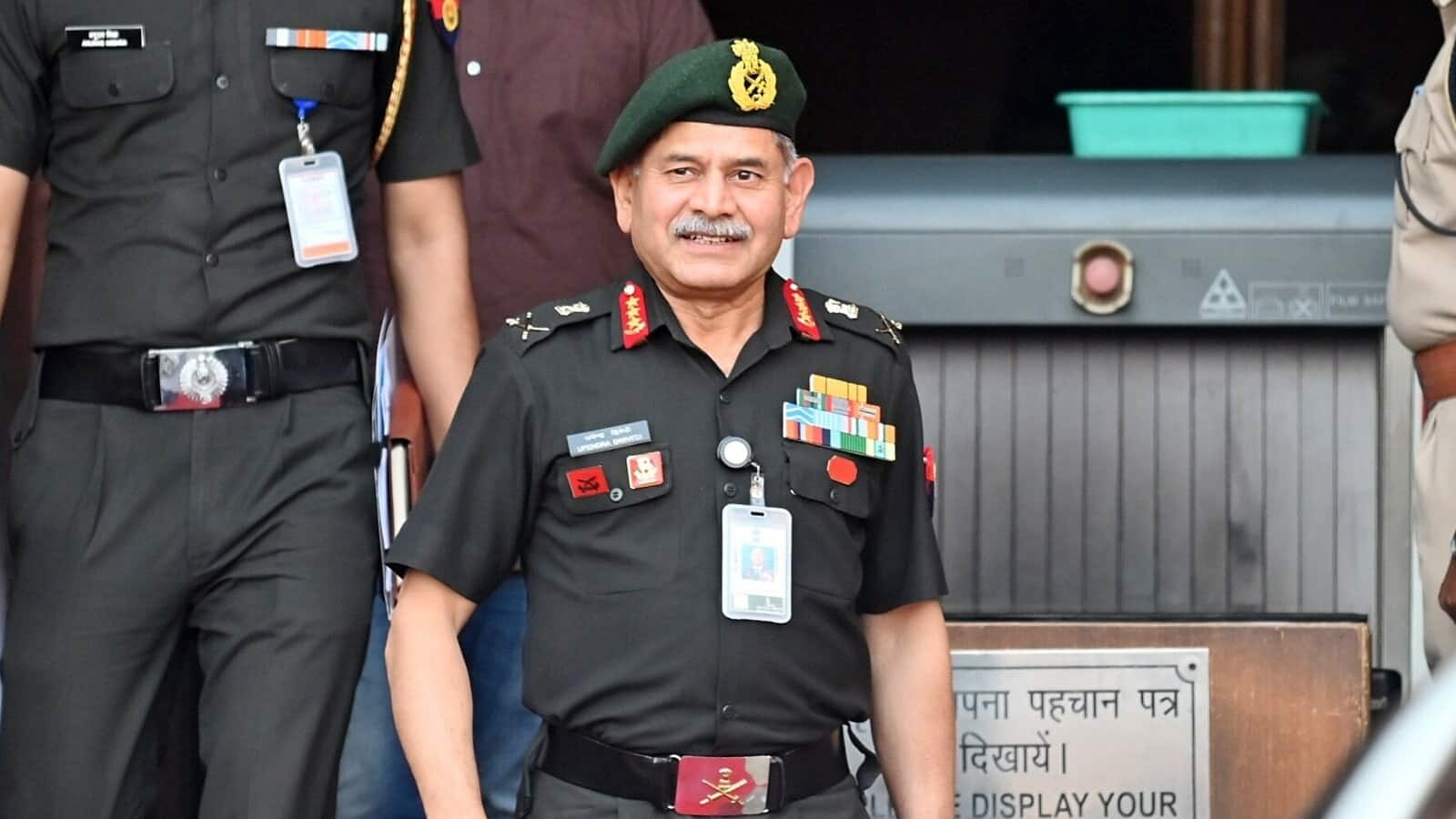
General Upendra Dwivedi just landed in Hawaii. It’s not a vacation. The Chief of the Army Staff (COAS) is there because the Pacific is no longer just a stretch of water—it’s the front line. For anyone watching the shifting weight of global power, this visit to the United States Indo-Pacific Command (USINDOPACOM) headquarters represents a massive shift in how New Delhi and Washington talk to each other. They aren't just polite partners anymore. They're becoming a synchronized force.
The timing matters. While borders in Europe and the Middle East are on fire, the Indian and American militaries are quietly stitching together a web of cooperation that would have been unthinkable twenty years ago. This visit isn't about handshakes and photo ops. It’s about hardware, intelligence sharing, and the cold reality of a rising China. For a closer look into similar topics, we suggest: this related article.
Moving Beyond Simple Drills
For years, India-US defence ties felt like a series of rehearsals. We had the Yudh Abhyas exercises and the occasional naval drill. It was good practice, but it lacked teeth. Now, things are different. General Dwivedi’s presence at the heart of USINDOPACOM signals that the Indian Army is ready to integrate at a much higher level.
I’ve watched these relationships evolve. It usually starts with buying gear. India bought the M777 howitzers and the Apache helicopters. But buying a jet or a gun is a transaction. True military depth comes from "interoperability." That's a fancy word for making sure your radios talk to their radios and your data flows into their maps. When General Dwivedi meets with Admiral Samuel Paparo, they aren't talking about price tags. They're talking about how to act as one if a crisis hits the Indo-Pacific. For additional details on the matter, comprehensive coverage is available on TIME.
Why Hawaii Is the Real Power Center
People forget that USINDOPACOM is the oldest and largest combatant command the United States has. It covers more of the globe than any other military branch. By heading to Honolulu, Dwivedi is placing the Indian Army squarely in the middle of the Pacific conversation.
Usually, the Indian Army focuses on the high-altitude peaks of the Himalayas. That makes sense. That’s where the immediate threat sits. But the modern battlefield doesn't care about geography. If you want to secure the land, you have to understand the sea and the air. The US has perfected the "Joint Force" model. Dwivedi is there to see how the Americans blend their army, navy, and air force into a single, terrifyingly efficient machine. India wants that. It needs that.
The Stealthy Growth of Tech Transfers
The real meat of this trip sits in the backrooms where they discuss the Initiative on Critical and Emerging Technology (iCET). Forget the public statements. The real action is in jet engines and MQ-9B Predator drones.
- GE F414 Engines: This is the big one. The US is sharing engine technology with India that it barely shares with its closest NATO allies. This isn't just about making the Tejas Mk2 fighter better. It's about India building its own industrial base so it doesn't have to beg for parts during a war.
- The Predator Deal: Buying 31 MQ-9B SkyGuardian and SeaGuardian drones changes the game for Indian surveillance. These aren't just toys. They can stay in the air for 40 hours. They see everything.
- Space and Cyber: We don't talk about this enough. General Dwivedi’s agenda likely includes how to protect satellites and keep communication lines open when an enemy tries to black them out.
Managing the Russia Factor
Let’s be honest. This relationship has some baggage. India still uses a lot of Russian gear. The S-400 missile system is a sore spot for Washington. I've seen pundits claim this would break the India-US bond. They were wrong.
Washington has realized that a strong, independent India is more valuable than a compliant one. They’re willing to look past the Russian hardware because the alternative—a weak India—is a nightmare for American interests in Asia. General Dwivedi has to walk this tightrope. He needs American tech without becoming an American satellite. It’s a tough job. He’s doing it by focusing on shared threats rather than shared history.
The China Shadow
Everything about this visit points back to Beijing. You won't see it in the official memos, but it’s the reason for every meeting. China’s aggression along the Line of Actual Control (LAC) and its growing presence in the Indian Ocean have pushed New Delhi into a corner.
India used to be wary of looking too close to the US. They called it "strategic autonomy." Well, autonomy doesn't mean much if you can't defend your borders. General Dwivedi knows that the US military has the best intelligence-gathering network on the planet. During the 2022 border skirmishes, American intelligence helped India stay one step ahead of Chinese troop movements. This Hawaii trip is about making that kind of cooperation permanent and instant.
Logistics and the Boring Stuff That Wins Wars
We love talking about tanks and missiles. But wars are won by trucks and fuel. The Logistics Exchange Memorandum of Agreement (LEMOA) allows Indian and US forces to use each other's bases for resupply.
Imagine an Indian ship needing fuel in the middle of the Pacific. Now, it can pull into a US base. Imagine a US plane needing repairs near the Indian Ocean. It can land in India. This isn't a formal alliance like NATO, but it functions like one. Dwivedi’s visit likely touched on how to make these "boring" logistics even faster. If you can’t move your beans and bullets, your fancy drones are useless.
What This Means for the Average Soldier
It’s easy to get lost in the high-level strategy. But what does this mean for a jawan on the ground? It means better gear. It means better training. It means knowing that if things go south, there’s a global superpower providing the data you need to survive.
The Indian Army is undergoing a massive transformation. They call it "Atmanirbharta" or self-reliance. But you can't be self-reliant in a vacuum. You need a partner who can give you the blueprint while you build the house. The US is that partner. General Dwivedi is the architect making sure the foundation is solid.
Where We Go From Here
Don't expect a big "Mission Accomplished" banner after this trip. That’s not how military diplomacy works. Instead, look for the small signs over the next six months.
- More Complex Exercises: Look for drills that involve complicated data sharing and long-range coordination.
- Industrial Announcements: Watch for news about Indian companies co-producing American parts. This is how you know the trust is real.
- Intelligence Hubs: If we start seeing more permanent liaison officers in Hawaii and New Delhi, the deal is sealed.
The era of India sitting on the fence is over. The world is too messy for that now. By spending time in Hawaii, General Dwivedi is signaling that India is ready to lead in the Indo-Pacific. It’s a bold move. It’s a necessary move.
If you’re tracking these developments, keep your eyes on the specific tech transfers coming out of the next few bilateral meetings. The hardware tells the story that the diplomats won't. India is arming up, and it’s doing it with the best tech the West has to offer. The balance of power in Asia just shifted a few inches more.