The events of April 8, 2026, represent a critical failure in synchronized diplomacy, where the disconnect between a bilateral US-Iran ceasefire and the operational reality of the Israeli-Hezbollah conflict created a lethal vacuum. When the US announced an agreement with Tehran, the assumption was a region-wide stabilization. Instead, the Israeli military executed a high-intensity offensive in Lebanon, resulting in at least 357 deaths and widespread infrastructure degradation. This outcome serves as a stark case study in the risks of siloed negotiations and the limits of external mediation in asymmetric warfare.
The Mechanism of Diplomatic Failure
The crisis stems from a mismatch in the scope of the negotiation framework. The US-Iran ceasefire, mediated by Pakistan, was designed to mitigate systemic risk—specifically, the threat to energy transit and the direct escalation between Washington and Tehran. However, this framework failed to account for the autonomy of regional sub-actors.
The core error was the exclusion of Lebanon from the primary negotiation track. This created two distinct strategic behaviors:
- The Misaligned Incentive Structure: Iran, bound by the new US deal, signaled a pause in hostilities to secure its own security and economic interests. Hezbollah, while aligned with Tehran, maintains its own strategic objectives regarding its domestic standing and posture against the Israeli Defense Forces (IDF).
- The Strategic Spoiling Effect: By launching a massive aerial campaign on April 8, the Israeli government asserted its position that the US-Iran deal did not preclude its own military requirements. This created a "spoiler" effect, demonstrating that agreements involving external superpowers often lack the mechanism to compel compliance from regional combatants who perceive an existential threat.
Quantifying the Impact of the April 8 Strikes
The intensity of the strikes—characterized by over 100 aerial engagements within a 10-minute window—was not merely a tactical maneuver; it functioned as a demonstration of technical dominance intended to shift the status quo before diplomatic constraints could be enforced.
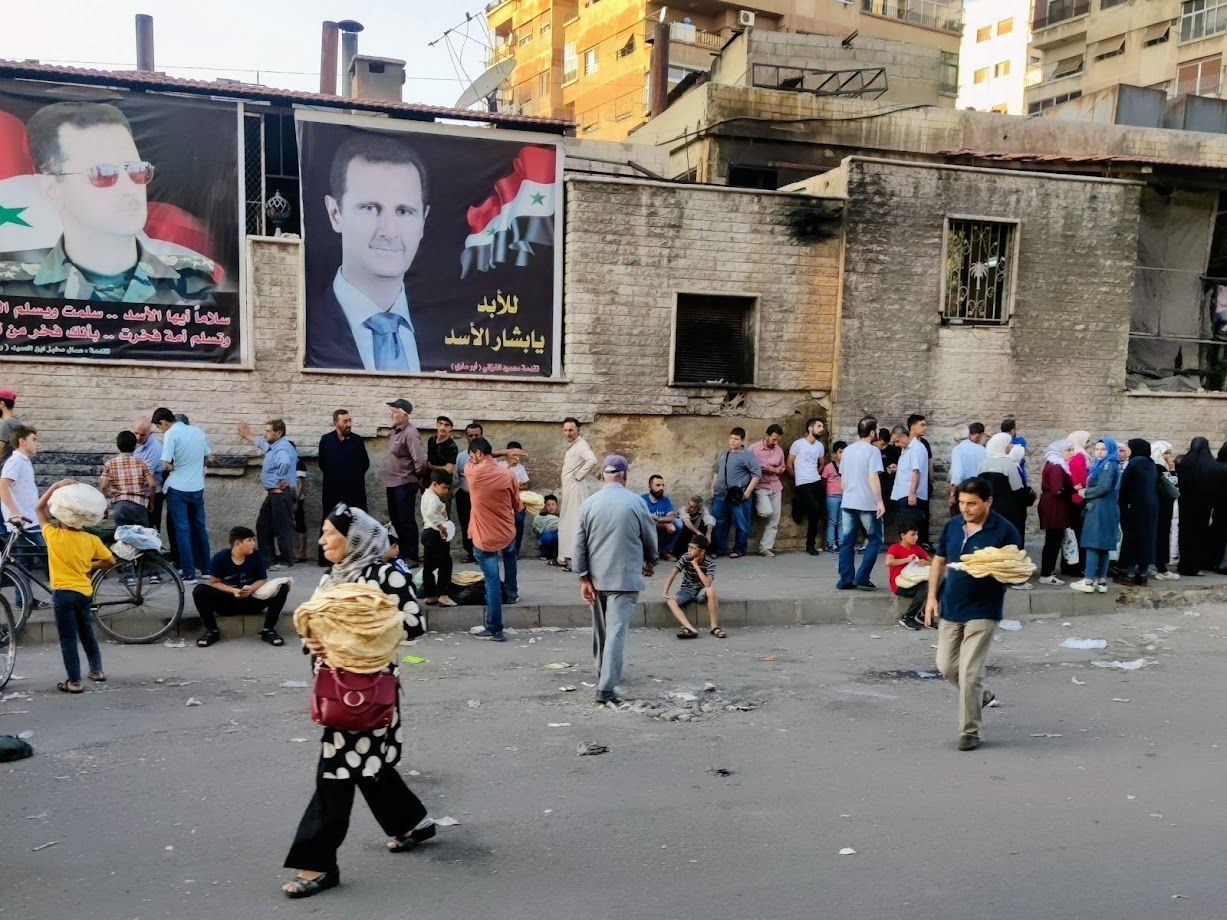
The cost function of this operation reveals high volatility in civilian outcomes. With at least 357 fatalities, the density of the impact in urban environments like Beirut and southern regions suggests a shift from surgical, intelligence-led targeting to a broader doctrine of neutralization. This approach inherently carries a higher risk of unintended escalation, as it forces regional actors into reactive cycles that defy the intent of high-level diplomatic protocols.
The Trump Administration Strategic Pivot
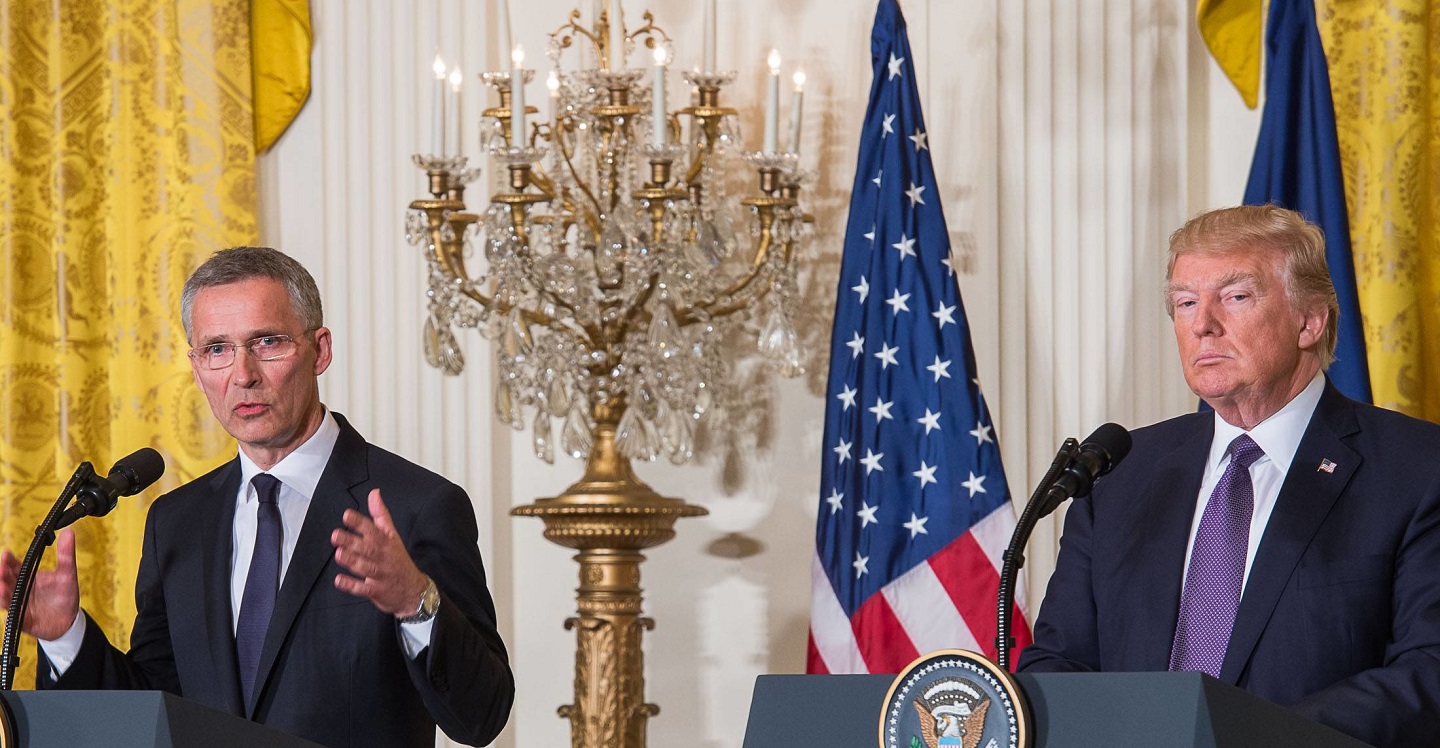
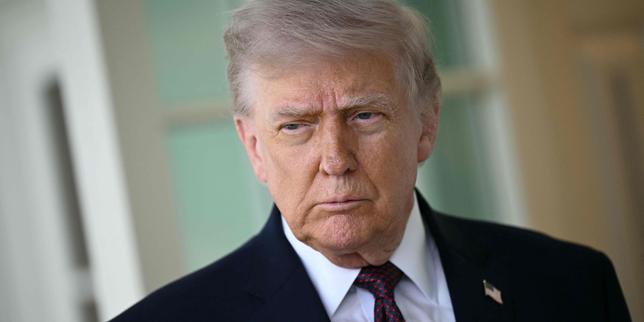
The subsequent attempt by the US administration to correct this trajectory—culminating in the announcement of a 10-day ceasefire—underscores a shift from passive mediation to active intervention. The administration is now attempting to bridge the gap between the original US-Iran accord and the reality on the ground by pulling both the Lebanese and Israeli diplomatic representatives into a direct dialogue in Washington.
This maneuver faces significant structural obstacles:
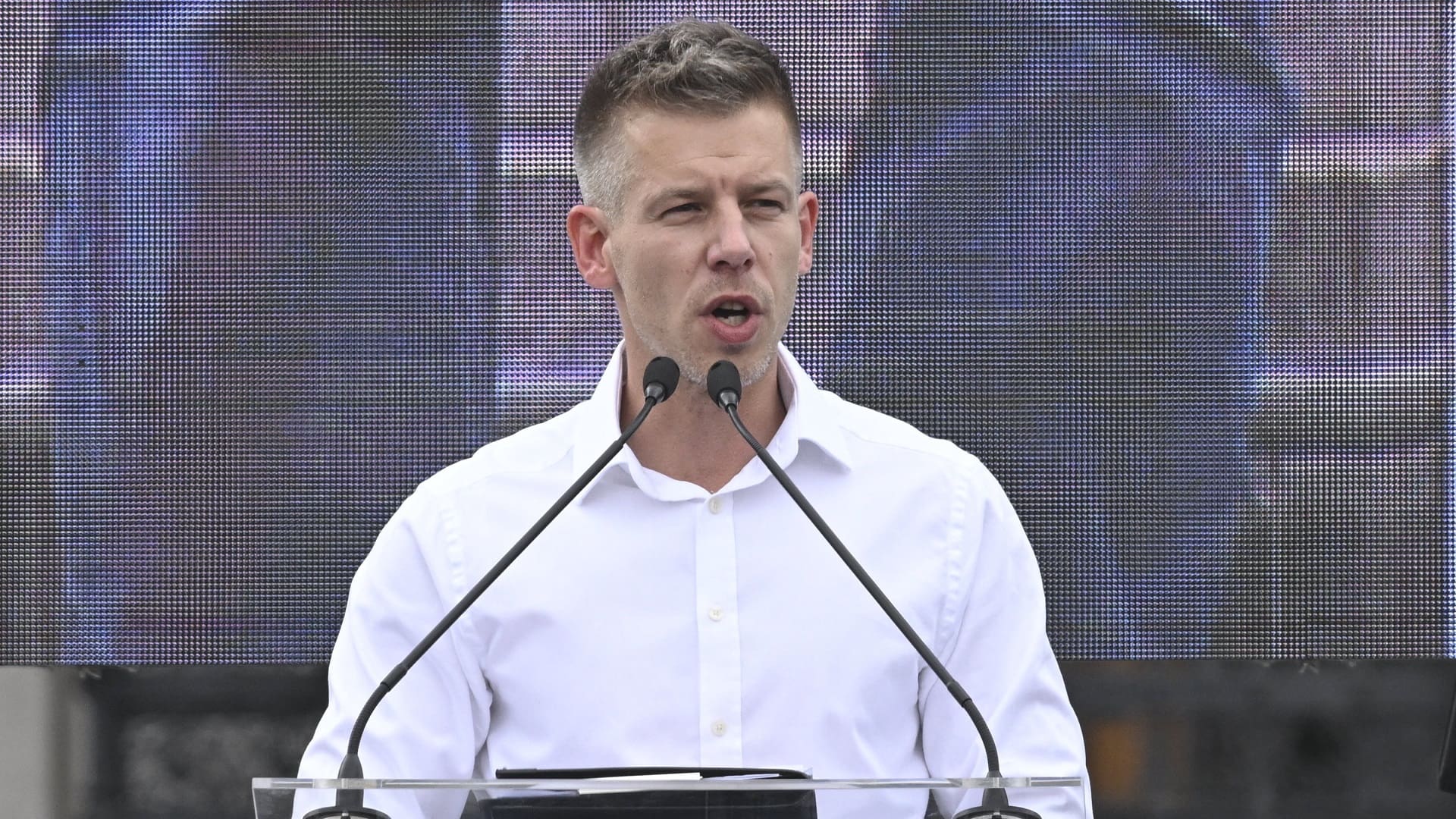
- Legitimacy Deficits: The Lebanese government operates under intense pressure, and direct engagement with Israel in Washington risks internal political instability. The perception of a "forced" peace undermines the government's credibility with its own populace.
- Operational Reconstitution: Internal Israeli security concerns suggest that any temporary cessation of hostilities is viewed by some stakeholders as an opportunity for Hezbollah to reorganize, leading to domestic friction within the Israeli security cabinet regarding the timing and duration of the truce.
Strategic Implications
The attempt to harmonize these conflicting objectives requires a move toward a multi-nodal negotiation framework. The current crisis has proven that "top-down" agreements between global powers will remain fragile if they do not incorporate the localized command-and-control realities of the combatants.
The path to de-escalation is not predicated on declarations, but on the alignment of security guarantees. The US must now move to define the specific boundaries of the Lebanese theater in relation to the broader Iran deal. If the Lebanese front is not brought under the same umbrella of enforcement—or recognized as a distinct, actionable security priority—the cycle of "surprise strikes" followed by diplomatic scramble will continue to destabilize the region. The immediate strategic imperative is the establishment of a verifiable monitoring mechanism for the 10-day ceasefire; without data-backed enforcement, the agreement functions only as a temporary delay rather than a resolution of the underlying conflict architecture.