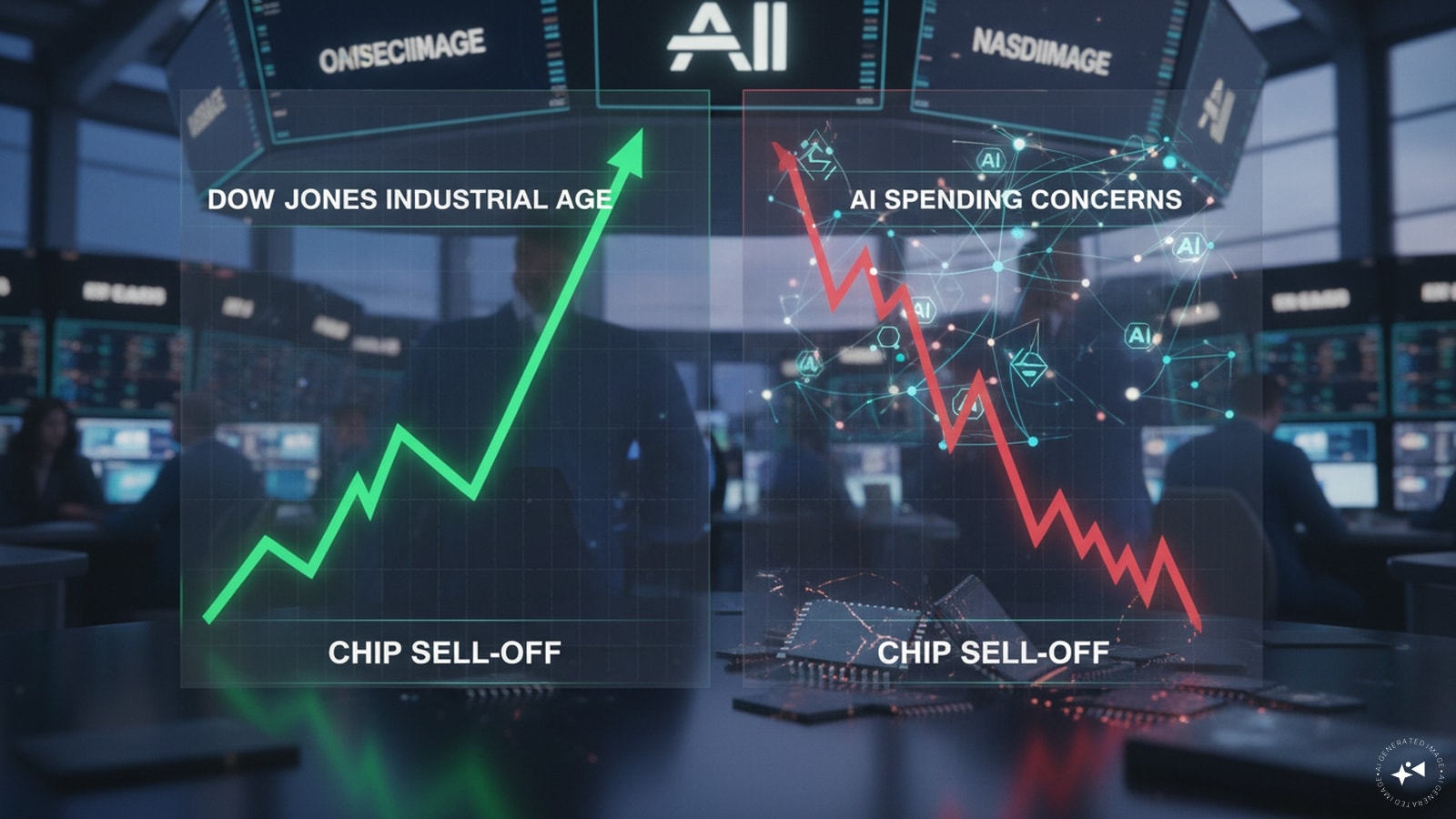
The immediate 13% collapse in crude oil prices following the announced five-day pause in strikes on Iranian power infrastructure represents a textbook realignment of the "Geopolitical Risk Premium." Markets do not react to peace; they react to the removal of tail-risk. When the Trump administration signaled a temporary halt to kinetic operations against energy-adjacent targets, the probability of a systemic supply shock—specifically the destruction of Iranian refining capacity or a retaliatory closure of the Strait of Hormuz—dropped from a "moderate/high" probability to a "low/dormant" one. This shift triggered a massive liquidation of long-side hedge positions, resulting in a 13% drawdown that reflects the removal of a specific $10 to $15 per barrel premium.
The Mechanism of the Five Day Pause
The five-day window functions as a tactical reset for market pricing. To understand why a mere 120-hour delay could slash prices by double digits, one must analyze the Option Delta of Conflict.
- Supply Chain Continuity: Iranian power plants are the lifeblood of their domestic extraction and pumping operations. A strike on these facilities creates a cascading failure: no electricity means no pressure in the pipelines, which leads to "shut-in" wells. Reopening a shut-in well is a capital-intensive, multi-month engineering project, not a flick of a switch. By pausing these strikes, the immediate threat of permanent or long-term Iranian production loss—roughly 3.2 million barrels per day—is neutralized.
- The Straits Risk Reduction: Retaliatory doctrine often follows a logic of "reciprocal pain." If Iranian energy infrastructure is targeted, the Islamic Revolutionary Guard Corps (IRGC) traditionally threatens the Strait of Hormuz, through which 20% of global oil consumption flows. The five-day pause removes the immediate catalyst for a naval blockade, allowing tankers to transit with lower insurance premiums.
Equity Markets and the Cost of Capital Re-Rating
The "zoom" in stock indices is not merely a celebration of stability; it is an algorithmic response to the Inflationary Feedback Loop. Lower energy costs act as a massive, instantaneous tax cut for both corporations and consumers.
The relationship between crude prices and equity valuations is governed by the Discounted Cash Flow (DCF) Sensitivity. When oil drops 13%, the following variables shift simultaneously:
- Operating Margins: For the S&P 500 (excluding the Energy sector), energy is a primary input cost. Logistics, manufacturing, and transport-heavy sectors see an immediate expansion of projected quarterly margins.
- The Risk-Free Rate Expectation: High energy prices fuel Consumer Price Index (CPI) prints. A sustained drop in oil allows central banks—specifically the Federal Reserve—to maintain a more dovish stance or, at the very least, pause further rate hikes. This lowers the discount rate applied to future earnings, which disproportionately inflates the "present value" of growth stocks (Tech, AI, SaaS).
- Consumer Discretionary Spending: There is a high correlation between "gasoline at the pump" prices and consumer confidence. Every cent saved at the pump translates into billions of dollars in redirected spending toward retail and services.
The Three Pillars of Market Elasticity
To quantify why the response was so violent, we must look at the structural positioning of the market participants prior to the announcement.
The Crowded Long Trade
Before the pause, hedge funds and Commodity Trading Advisors (CTAs) were heavily "long" on Brent and WTI. They were betting on an escalation. When the Trump administration pivoted, these traders hit their "stop-loss" triggers simultaneously. This creates a liquidity vacuum where there are no buyers to catch the falling knife until the price hits a structural support level—in this case, 13% lower than the peak.
The Short-Squeeze in Equities
Conversely, many institutional investors had been sitting in cash or "shorting" the market as a hedge against a global energy war. The five-day pause forced these bears to cover their positions (buy back shares), adding "rocket fuel" to the stock market's upward trajectory. This is not "organic" growth; it is a mechanical repositioning of capital.
Strategic Petroleum Reserve (SPR) Dynamics
The market is also pricing in the administration's posture toward the SPR. A de-escalation suggests the U.S. will not need to draw down its remaining reserves to stabilize prices, which provides a long-term signal of stability to the global market.
Mapping the Geopolitical Friction Points
While the 13% drop is significant, it is critical to distinguish between a Structural Trend and a Tactical Correction. The five-day pause is an olive branch with a short shelf life.
The logic of the pause suggests two possible outcomes:
- The Diplomatic On-Ramp: The five days are used for back-channel negotiations. If a "Grand Bargain" or a revised nuclear/energy framework is reached, the 13% drop becomes the new floor, and oil could drift lower toward $60 per barrel as Iranian supply officially integrates into Western markets.
- The Tactical Refuel: If the five days expire without a diplomatic breakthrough, the "Risk Premium" will re-attach to the price of crude with a vengeance. Markets hate uncertainty more than they hate conflict; a "pause" that fails is often followed by a more volatile "spike" as the market realizes de-escalation was a feint.
The Logistics of a "Strikes Pause"
Strikes on power plants are uniquely disruptive because they affect the Integrated Energy Grid. Unlike a direct strike on an oil tank, which only loses the oil in that tank, a strike on a power plant disables:
- Water Desalination: Critical for cooling oil equipment.
- Refining Catalysts: Chemical processes that require constant thermal regulation.
- Pipeline Pumping Stations: Which move crude from the interior to the Kharg Island export terminal.
By protecting these nodes, the administration is effectively preserving the global supply chain while maintaining a "Sword of Damocles" over the Iranian economy. This is "Economic Warfare by Omission."
Analyzing the "Trump Effect" on Market Psychology
The market views the current administration's actions through the lens of Maximum Pressure 2.0. However, the five-day pause introduces a variable of "unpredictable pragmatism." Analysts who predicted a linear escalation were caught off-guard.
The volatility we are seeing is a symptom of Information Asymmetry. The White House has access to intelligence regarding Iranian internal stability that the public lacks. If the pause was ordered because the Iranian regime signaled a willingness to negotiate under the threat of total grid collapse, then the stock market "zoom" is a rational bet on a new era of regional stability. If the pause is merely a logistical necessity for U.S. forces to reposition, the stock market gains are a "bull trap."
Statistical Probabilities of Recovery
Based on historical data of geopolitical "pauses" (e.g., the 1991 Gulf War pauses or the 2003 "Shock and Awe" lulls):
- Oil: Typically recovers 40-50% of its "correction" within 10 days if no permanent peace treaty is signed.
- Stocks: Tend to hold their gains unless a "counter-shock" (a retaliatory strike from the other side) occurs during the window.
The 13% move in oil is an outlier. Usually, such moves take weeks. The fact that it happened in a single trading session indicates that the "Geopolitical Risk" was the only thing holding the price up. Fundamentally, global oil supply is currently in a surplus (thanks to high U.S., Brazilian, and Guyanese production). Without the threat of Iranian plants exploding, there is no economic reason for oil to be above $75.
The Strategic Play
Investors must ignore the noise of the "five-day" headline and focus on the Return of the Fundamental Surplus. With the risk of a strike on Iranian power plants deferred, the market is forced to look at the massive inventory builds in the OECD countries and the slowing demand from Chinese industrial sectors.
The move for a sophisticated actor is to capitalize on the Contango/Backwardation Shift. When oil prices crash 13%, the "forward curve" flattens. If the pause leads to a permanent cessation of strikes, the market will move into a state of "Contango" (where future prices are higher than current prices), making oil storage a profitable trade again.
Conversely, if the five-day window closes and rhetoric sharpens, the "Risk Premium" will be re-priced at a higher volatility coefficient than before, because the market will no longer trust "pauses" as a signal of peace.
The strategy is clear:
- De-risk Energy Holdings: Take profits on the 13% drop or move into "downstream" players (refiners) who benefit from cheaper feedstock.
- Aggressive Equity Exposure: Lean into sectors with high "energy-input" costs like airlines, trucking, and heavy manufacturing. These sectors are the primary beneficiaries of the "Risk Premium" evaporation.
- Monitor the 120-Hour Clock: The expiration of the pause is the next "binary event." If the clock runs out without a statement, the 13% gain in equities will likely face a 3-5% "reversion to the mean" as the risk of war returns to the front page.