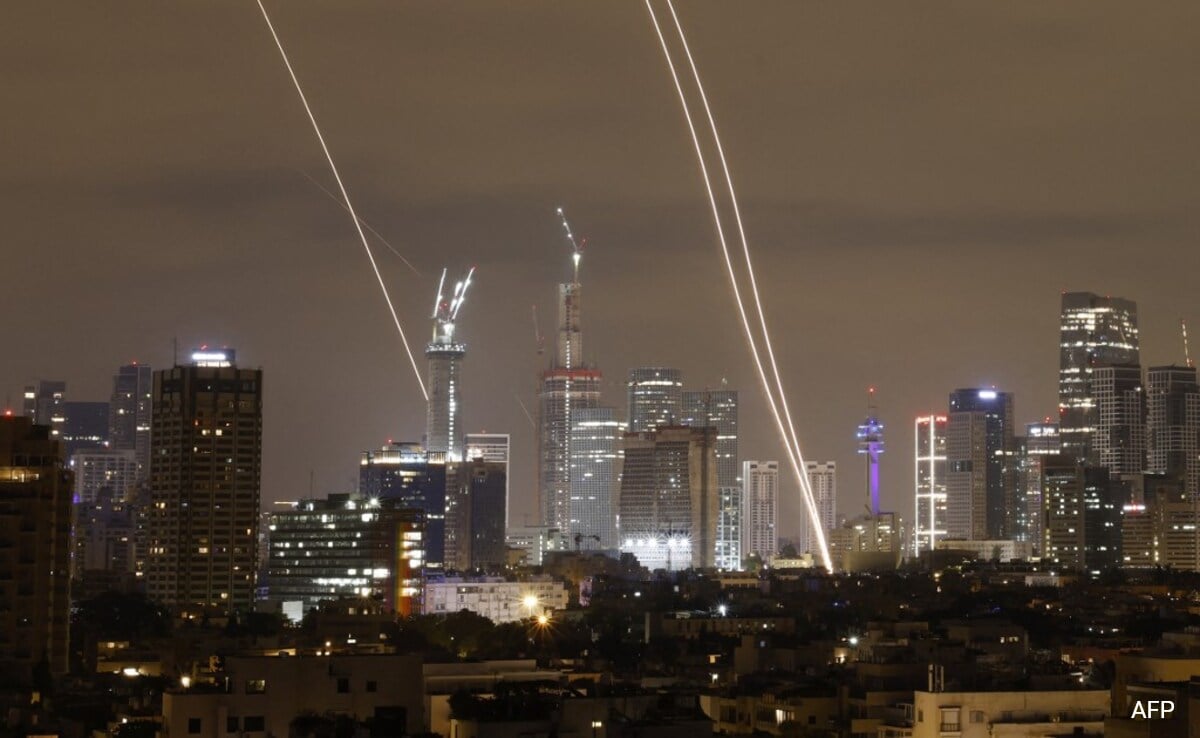
The probability of national continuity following a global thermonuclear exchange is not determined by the size of a country's bunker network or the sophistication of its missile defense, but by the resilience of its caloric production under a compromised atmosphere. Most risk assessments focus on the immediate thermal and kinetic effects of a nuclear strike, yet the true existential threat lies in the secondary atmospheric collapse. When soot from burning urban centers reaches the stratosphere, it triggers a "nuclear winter," characterized by a drastic reduction in solar radiation, plummeting surface temperatures, and the cessation of traditional rainfall patterns.
Recent modeling of these climatic shifts indicates that the vast majority of the global population would face starvation within 24 months. However, a specific set of geographic and economic variables allows a microscopic fraction of nations—primarily Australia and New Zealand—to maintain a viable, albeit diminished, civilization. Don't forget to check out our earlier coverage on this related article.
The Mechanics of Atmospheric Starvation
To understand why most nations fail in this scenario, we must define the Soot Injection Variable. In a 150-teragram soot injection scenario—typical of a full-scale exchange between major powers—global light levels drop by over 70%. This isn't merely a "cold snap"; it is a systemic shutdown of the photosynthetic process that sustains the modern food supply chain.
The failure of the global food system follows a predictable cost function: If you want more about the context of this, Engadget provides an excellent breakdown.
- The Thermal Threshold: Most high-yield cereal crops (wheat, corn, rice) have specific growing degree days. If the ambient temperature stays below these thresholds, germination fails.
- Hydrological Arrest: Lower temperatures reduce evaporation, leading to a collapse in monsoon cycles and predictable rainfall.
- Logistical Decoupling: Global trade represents the "virtual water" and "virtual calories" that keep resource-poor nations alive. Once the energy grid and maritime shipping lanes dissolve, a country is limited strictly to its internal biomass.
This creates a bottleneck where only nations with a massive surplus of low-intensity caloric production can survive. While a country like China or the United States produces immense amounts of food, their high population density and reliance on complex, fossil-fuel-intensive agriculture make them internally fragile once the "Green Revolution" infrastructure is removed.
The Australian Anomaly: Low-Density Buffer and Latitudinal Insulation
Australia’s status as a primary survivor is not accidental. It is the result of a unique intersection between Biomass Surplus and Geographic Isolation.
The Caloric Buffer Ratio
Australia maintains one of the highest caloric-production-to-population ratios in the world. Even if its agricultural productivity dropped by 70% due to reduced sunlight and rainfall, the remaining 30% would still be sufficient to feed its 26 million inhabitants. This surplus acts as a shock absorber. In contrast, most European and Asian nations operate on a "just-in-time" caloric basis, where even a 10% dip in production triggers immediate civil unrest and systemic collapse.
Latitudinal Heat Retention
The Southern Hemisphere possesses a distinct advantage in atmospheric circulation. The Intertropical Convergence Zone (ITCZ) acts as a partial barrier, slowing the mixing of soot-laden air from the Northern Hemisphere—where the majority of strikes would occur—into the Southern stratosphere. This delay provides a critical window of months, perhaps years, where the temperature drop in Australia and New Zealand is less severe than in the North.
New Zealand’s Hydro-Electric Autarky
While Australia has the landmass, New Zealand possesses Energy Autarky. A post-nuclear environment is an energy-starved environment. Fossil fuel extraction, refining, and distribution require a global supply chain that will no longer exist.
New Zealand’s reliance on hydroelectric power (over 80% of its electricity grid) ensures that even in a total global blackout, the nation can maintain domestic lighting, refrigeration, and localized manufacturing. This creates a "Technological Floor"—a level below which the society will not fall.
- The Decentralized Grid: Unlike the massive, interconnected grids of North America, New Zealand’s power generation is relatively localized.
- Marine Protein Access: Being an island nation with a low population density, New Zealand can pivot to oceanic resources. While terrestrial crops might struggle with reduced UV and light, the thermal mass of the ocean provides a more stable temperature environment for aquaculture and wild fishing, provided the coastal ecosystems are managed against over-extraction by a desperate populace.
The Fallacy of the Northern Survivalists
Many analysts point to Iceland or Northern Canada as potential refuges. This ignores the Latitudinal Kill-Switch. In a nuclear winter, the temperature drop is most extreme at higher latitudes and in the centers of large landmasses.
- Iceland's Dependency: Iceland imports nearly all its grain and industrial components. While it has geothermal energy, it lacks the arable land to pivot to a self-sustaining caloric model under low-light conditions.
- The Continental Cooling Effect: Large landmasses like Russia and the US Midwest experience "continental cooling," where temperatures drop faster and stay lower than in maritime environments. This renders the "breadbaskets" of the world into frozen tundras within weeks of an exchange.
The second limitation is Radiological Fallout. In the Northern Hemisphere, the density of targets (silos, command centers, industrial hubs) means that even "safe" areas are likely to be contaminated by drifting particulates. Australia and New Zealand, being thousands of miles from the likely primary targets, benefit from the "dilution effect" of the vast Pacific and Southern Oceans.
The Institutional Collapse Variable
Survival is not just a biological problem; it is a governance problem. The most significant cause-and-effect relationship missed by standard articles is the link between Resource Scarcity and Political Entropy.
When a state can no longer provide food, the social contract dissolves. This leads to internal conflict that consumes the very resources needed for survival. Australia and New Zealand benefit from high levels of "Social Capital"—trust in institutions and a relatively homogenous legal framework. In a crisis, these nations are more likely to successfully implement the rationing and command-economy measures required to survive a decade of atmospheric darkness.
Strategic Recommendation for Continental Stability
For a nation to move into the "survivor" category, it must decouple its survival metrics from global systems. This requires three specific structural shifts:
- Decentralized Agricultural Resilience: Shifting from monoculture crops that require high-intensity fertilizers to "hardy" genetics—tubers and cold-resistant grains—that can survive in low-light, low-temperature environments.
- Strategic Stockpiling of Micro-Nutrients: While calories can be harvested from simple crops, the long-term survival of a population requires vitamins and minerals that are currently produced in centralized global labs. A domestic manufacturing capability for basic pharmaceuticals and vitamins is a prerequisite for decade-long isolation.
- Atmospheric Monitoring and Pivot-Planning: Survivalist nations must develop "Climate Pivot" protocols. This involves real-time modeling of soot migration to decide, week-by-week, which regions of the country should be prioritized for seed distribution based on predicted light levels.
The ultimate strategic play for any entity—state or private—is the transition from a "Value-Add" economy to a "Basal Metabolic" economy. In a post-exchange world, the only currency that retains its value is the calorie produced with minimal sunlight and zero imported energy.